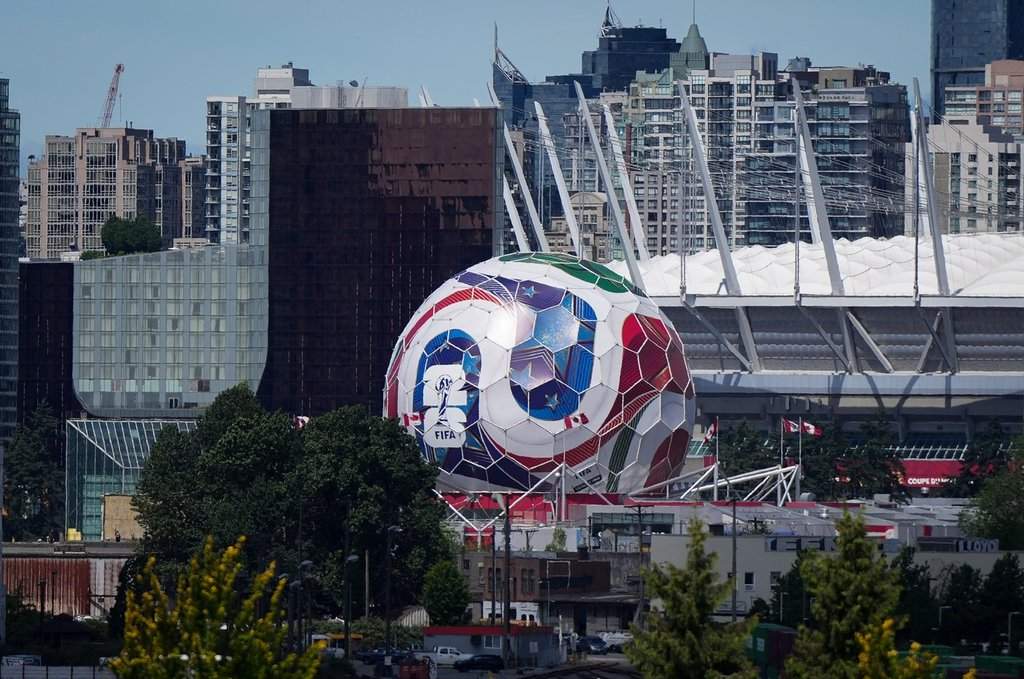
The party is over. The international fans who crowded Granville Street with beers and mimosas are packing their bags, and the echo of 52,000 screaming voices at BC Place has faded. Switzerland and Colombia fought it out in the Round of 16 on July 7, marking the final match of the tournament held in British Columbia. Now, the city faces the quiet morning after the biggest sporting event on earth.
Everyone wants to know what Vancouver looks like now FIFA World Cup has moved on from the West Coast. Was it worth the massive price tag, or are locals left holding an empty bag?
The truth is complicated. If you walk down the streets today, you can see both sides of the coin. Businesses are counting their record-breaking profits, but city hall is already fighting over the bill. There is no simple answer here, just a city trying to figure out how to transition from a global stage back to normal life.
The Real Story of What Vancouver Looks Like Now FIFA World Cup Has Moved On
The immediate physical legacy is hard to miss. Granville Street is still closed to cars, but the vibe is shifting fast. Mayor Ken Sim and the city council pushed through a last-minute extension to keep the pedestrian zone alive until Labour Day. It sounds like a great idea on paper. Who doesn't love a walkable downtown plaza?
The financial reality is a bit more bruising. Green Party Councillor Pete Fry spoke out against the extension, pointing out that keeping this plaza going costs roughly $100,000 every single day. The total price tag for the extension shot up from an initial $3.5 million projection to $4.75 million.
Without the massive influx of international soccer fans, keeping Granville pedestrian-only is a massive gamble. The street has a long history of being dominated by nightclubs and bars, meaning daytime foot traffic drops off a cliff. Now that the fans are gone, the city has to work incredibly hard to give people a reason to visit during the day. If they can't, it becomes a very expensive empty sidewalk.
The Concrete Legacy Left Behind at BC Place
We need to talk about the infrastructure. BC Place saw five packed group stage matches and two intense knockout rounds. Every single game hit a full house of 52,497 fans. To get the stadium ready, millions went into upgrading the facility, including temporary natural grass installations required by world soccer executives.
The stadium changes show exactly how a mega-event alters local spaces. The city gets to keep an upgraded venue that can handle massive international events, but the daily reality for local teams like the Vancouver Whitecaps and the BC Lions changes too. They return to a stadium that feels different, carrying the prestige of a tournament venue but also the wear and tear of a frantic month.
Beyond the main stadium, the grassroots impact is where the real value lies. The provincial government partnered with viaSport and the Vancouver Whitecaps to launch the Mini Peaks Legacy Program. This project is building up to 20 mini pitches in various communities across British Columbia. These are all-weather, inclusive spaces designed to keep kids playing all year. This is the kind of practical infrastructure that actually outlasts the tournament. It provides local neighborhoods with real facilities long after the global broadcasters turn off their cameras.
Transit Surges and the Billion Dollar Tourism Promise
If you tried to catch a SkyTrain on June 24 during the Canada against Switzerland match, you know what peak congestion looks like. TransLink broke its all-time system record that day, moving 1.4 million people across buses, trains, and SeaBuses. The system held up under immense pressure, proving that the local transit grid can handle extreme crowd loads without breaking down entirely.
The economic data looks impressive at first glance. The local business improvement association reported that bars and restaurants completely blew past their sales targets. The FIFA Fan Festival at the newly built amphitheatre drew over 330,000 people between June 11 and June 28. The peak came on June 18 when 11.7 million Canadians tuned in to watch the national team destroy Qatar 6-0 on television.
The province expects the long-term tourism tail to look something like this:
- Over one million additional out-of-province visitors over the next five years.
- More than $1 billion in direct visitor spending entering the local economy.
- Higher global visibility for international conventions and future sporting bids.
These numbers look great in a press release, but regular residents are skeptical. Higher visitor numbers often mean pricier hotel rooms and more expensive restaurant bills for locals who live here full-time. The economic bump is real for business owners, but for the average person renting an apartment in East Van, it mostly means crowded transit and longer lines at the local pub.
What Happens to Canadian Soccer Now
The national team's journey ended with a tough loss in the Round of 16 against Morocco down in Houston, but the sport has a completely new status in the country. The biggest question is how the local soccer ecosystem capitalizes on this momentum.
National team players like Ali Ahmed and Richie Laryea have been vocal about where fans need to look next. They are pointing directly at the domestic game. The Canadian Premier League (CPL) was built with this moment in mind. When Canada joined the United 2026 bid years ago, having a top-flight domestic league was part of the vision to build a sustainable soccer nation.
We are already seeing CPL products make a massive impact. Players like Joel Waterman proved you can start in the domestic league and make it all the way to a global tournament roster. For young local talent, the path forward is clearer than it has ever been. The focus shifts to local clubs like Vancouver FC out in Langley or the Vancouver Whitecaps MLS Academy. If fans want the sport to grow, they have to support these local sides on rainy Friday nights in October, not just during a sunny summer tournament.
Actionable Steps for Vancouver Residents and Local Businesses
The tournament won't return, so the city must adapt to the new reality immediately. Here is how local stakeholders can manage the transition over the coming months.
For Small Business Owners
Don't let your summer marketing strategies dry up. If you ran a restaurant or retail shop that thrived during the games, transition those tournament-themed promotions into local community hooks. Use your expanded customer email lists gathered during June to offer neighborhood discounts. The international crowds are gone, so your revenue reliance must shift back to loyal, local repeat customers before the autumn slowdown hits.
For Commuters and Transit Users
Expect TransLink schedules to normalize quickly, but watch out for localized construction as temporary fan zones and tournament barriers are dismantled around BC Place and the downtown core. Give yourself an extra fifteen minutes if your route cuts through the stadium district over the next two weeks.
For Youth Sports Organizers
Keep a close eye on the rollout of the Mini Peaks Legacy Program. If your local community association has been struggling with field access or poor infrastructure, connect with viaSport to see how your municipality can secure one of the remaining mini-pitches. The funding is active right now, and local clubs need to move fast to get these spaces built before the winter rainy season begins.
The signs are coming down and the banners are being packed away. Vancouver proved it can host the world without burning down, but the real work of managing the financial and social aftermath starts today.