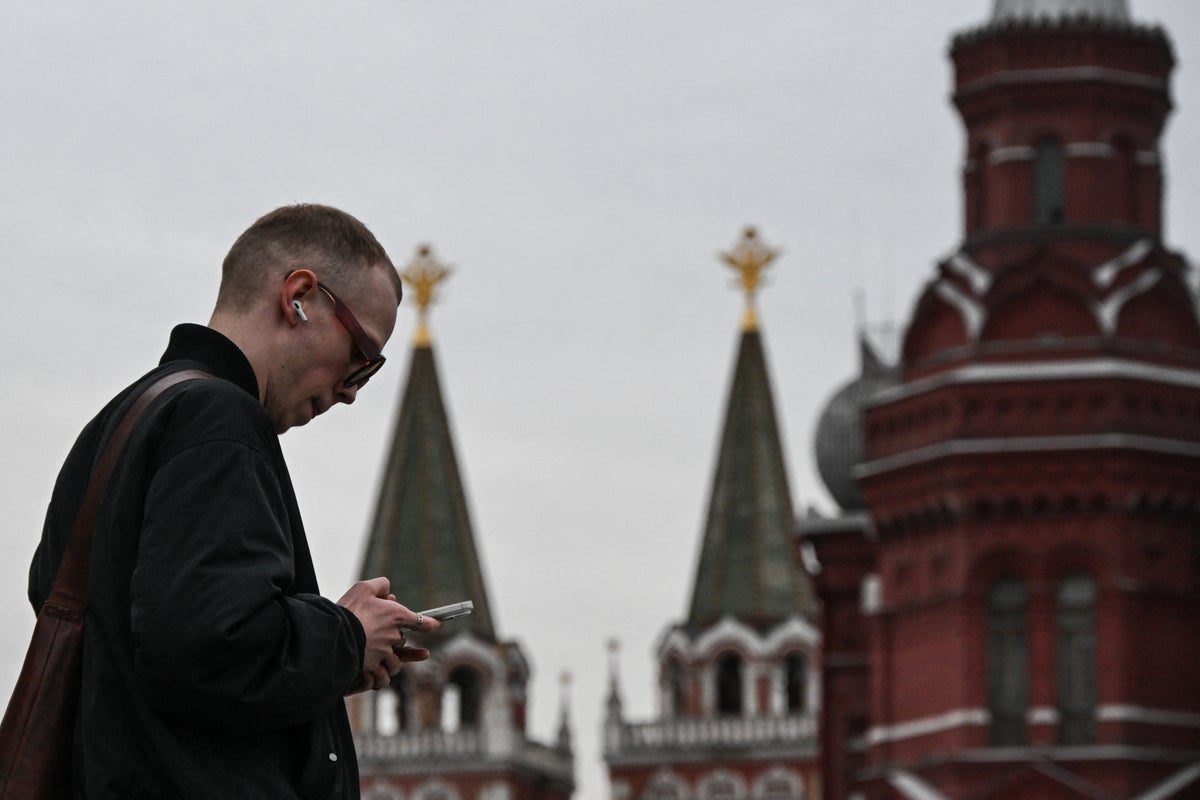
The screen didn’t just go dark. It stuttered, pulsed with a grey, digital static, and then died. In the heart of Moscow, a thumb hovered over a glass screen, waiting for a video to load, for a message to send, for a signal that wasn't coming. It is a peculiar kind of silence. Not the silence of a quiet room, but the suffocating hush of a network being strangled by its own architects.
May 9 was supposed to be a day of thunder. Historically, the Victory Day parade is the Kremlin’s heartbeat, a rhythmic display of steel and ego designed to remind the world—and the Russian people—that the ghosts of 1945 still march in their favor. But this year, the air felt thin. The roar was muffled.
To understand why a superpower would choose to blind its own citizens' pockets, you have to look past the tanks. You have to look at the invisible digital dome being lowered over the capital.
The Ghost in the Signal
Consider a resident we will call Elena. She stands near Tverskaya Street, her phone a useless slab of metal in her palm. She isn't looking for a protest or a revolution; she is trying to find her son in the crowd. But the mobile internet has been severed. This isn't a technical glitch or a solar flare. It is a deliberate blackout, a disruption of the 4G and 5G frequencies that usually carry the data of a modern life.
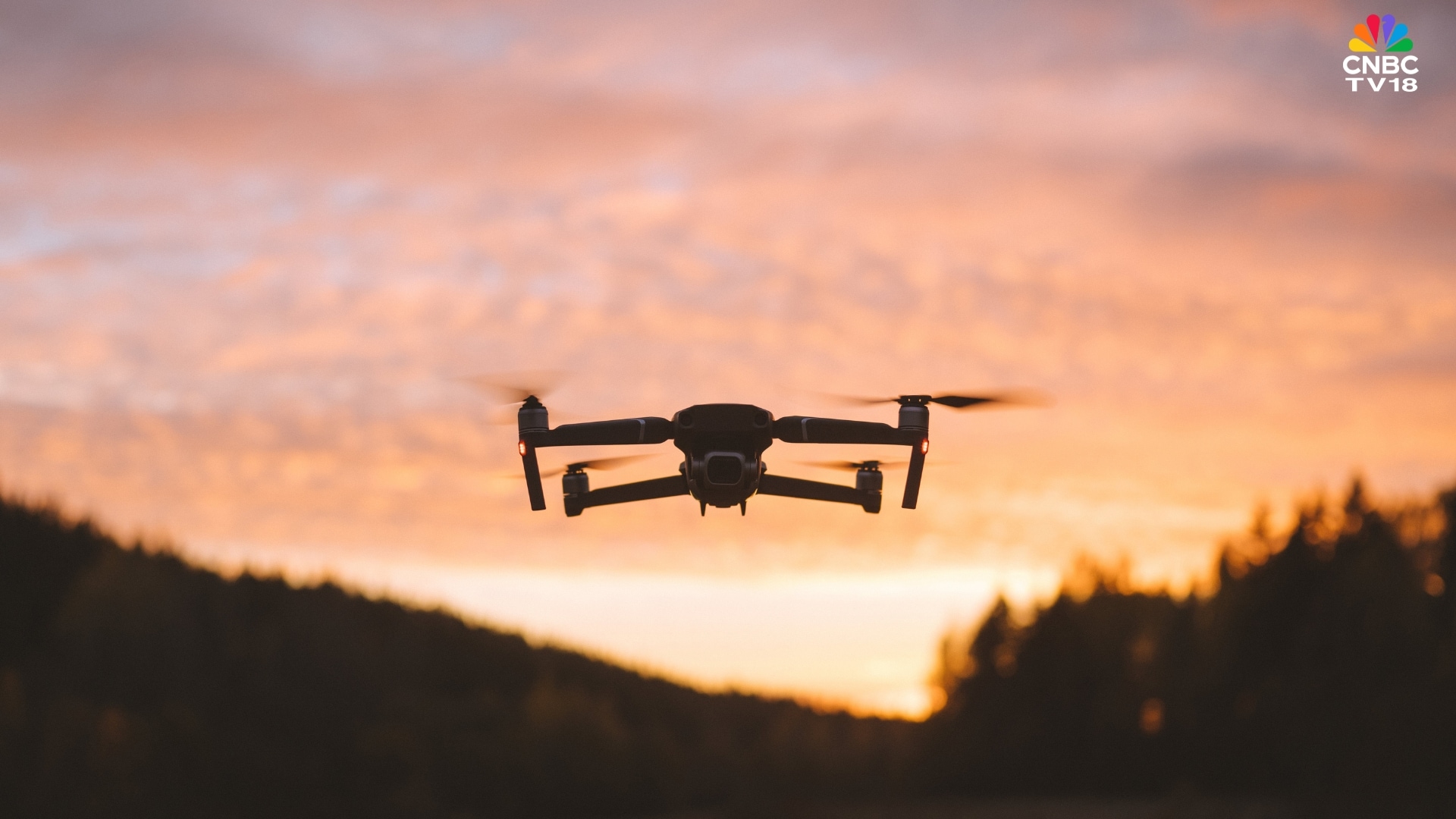
The Kremlin’s logic is cold. Drones, the stinging insects of modern warfare, rely on navigation and communication signals. By disrupting the mobile web, the state creates a digital "no-fly zone." They are so afraid of a single, cheap plastic drone ruining the optics of their grand procession that they are willing to plunge millions into a forced analog existence.
Privacy is the first casualty of fear. Security is the second.
The disruption radiates outward from the city center like a stone dropped in a pond. It breaks the flow of commerce, halts the digital pulse of delivery drivers, and leaves families disconnected in a sea of military fatigues. It is a reminder that in a digital age, the most effective cage is one built of dead air.
A Shrinking Stage
The parade itself reflected this newfound modesty. For decades, the Red Square event was a sprawling, hours-long marathon of hardware. This time, the guest list was shorter, and the motorcade was leaner. The T-34 tank, a relic of World War II, rattled across the cobbles—a lone veteran where once there were legions of modern armor.
Where were the others? They were busy. They were elsewhere. Or perhaps they simply didn't exist in the numbers the propaganda suggested.
When a government scales back its most sacred pageant, it is admitting a truth it cannot say aloud. The spectacle is being devoured by the reality of a prolonged conflict. Resources are finite. Attention is fractured. The grandeur is being traded for a grim, functional survivalism.
But the real story isn't the missing tanks. It is the missing data.
The Sovereignty of the Dark
Russia has been building its "Sovereign Internet" for years—a "Runet" that can be unhooked from the global web at a moment’s notice. This Victory Day served as a live-fire exercise for that isolation. By disrupting mobile internet, the authorities weren't just protecting against drones; they were testing the levers of control. They were seeing how easily they could pull the plug on the flow of information without causing the machine to seize up entirely.
It is a delicate balance. A modern economy cannot run on paper and whispers. Banks, logistics, and power grids all breathe through the same digital lungs that the state is currently squeezing.
The tension is visible in the faces of the crowd. They watch the soldiers march, but they keep checking their phones, hoping for a bar of signal, a flicker of the outside world. It is a psychological weight. When the state controls the very airwaves you use to talk to your mother or pay for your coffee, the concept of "victory" starts to feel increasingly claustrophobic.
The Cost of the Invisible Wall
The Kremlin’s strategy is a paradox. To celebrate a historical liberation, they have implemented a modern restriction. To honor the bravery of the past, they display the anxiety of the present.
The mobile internet blackout is a symptom of a deeper fever. It suggests a regime that no longer trusts the tools of the 21st century to be on its side. In the early 2000s, technology was the promise of a global Russia. Today, it is viewed as a backdoor for subversion, a vector for vulnerability.
So, they kill the signal.
They tell the people that the silence is for their own safety. They say the disruption is a small price to pay for the integrity of the parade. But as the sun sets over the Kremlin towers, and the mobile networks slowly begin to wheeze back to life, the people are left with a lingering realization. The state can turn off the world whenever it wants.
Elena finally finds her son, not through a GPS pin or a text message, but by wandering the streets until she recognizes the back of his coat. They walk home in silence. Around them, the city is still draped in the colors of triumph, but the air is thick with the knowledge of how easily a voice can be erased.
The tanks have returned to their barracks, and the signal bars on the phones have returned to the top of the screens. But the static remains. It is a low-frequency hum of uncertainty, a reminder that in the new era, the most powerful weapon isn't a missile, but the switch that turns off the light.
The parade is over, but the blackout is just getting started.