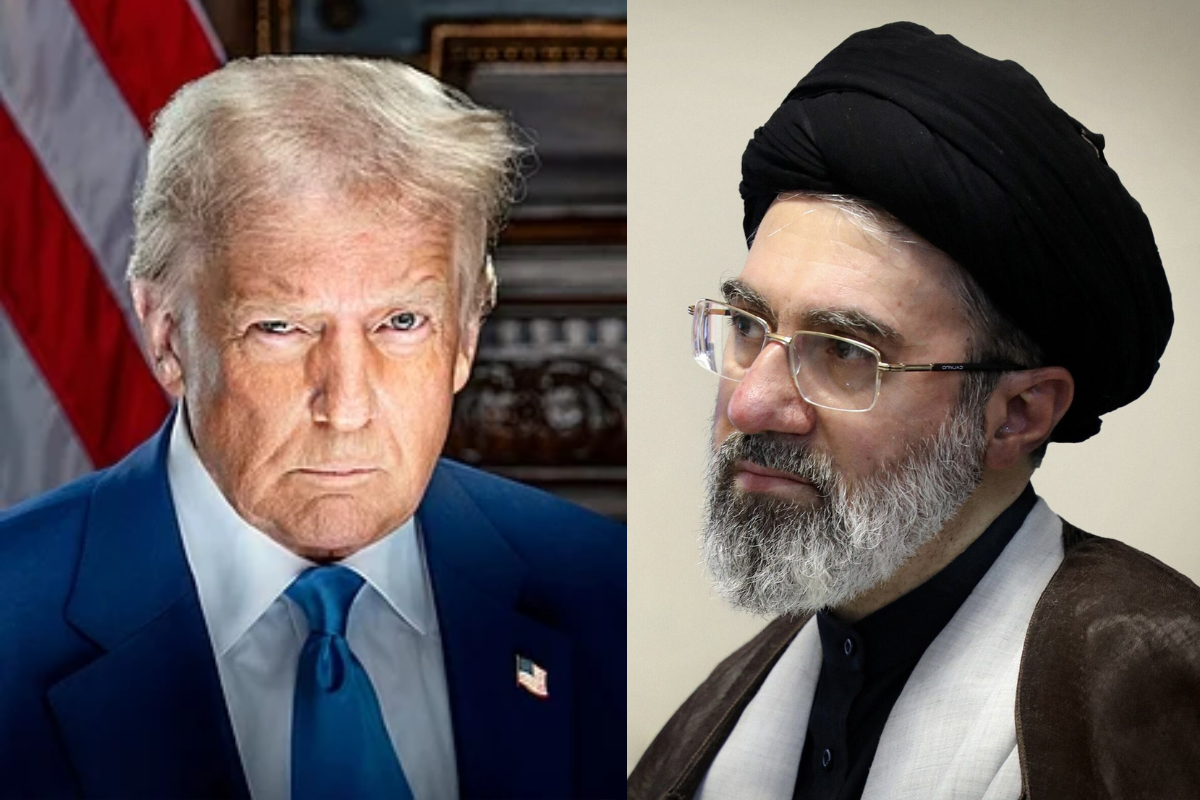
The Strait of Hormuz is currently the most dangerous stretch of water on the planet. If you've been watching the news, you know the ceasefire between the US and Iran is basically hanging by a thread. Donald Trump just launched "Project Freedom," a mission designed to "guide" nearly 1,000 stranded merchant ships out of the Persian Gulf. It sounds like a humanitarian rescue on paper, but Tehran sees it as an act of war.
Right now, global energy markets are staring down a barrel. One-fifth of the world’s oil passes through this narrow choke point. With Iran maintaining a "dual blockade" and Trump deploying 15,000 service members and a massive fleet of drones to break it, we aren't just talking about a diplomatic spat. We're talking about the very real possibility of a massive naval conflict that could send oil prices to heights we've never seen.
The Reality of Project Freedom
Trump announced Project Freedom on Truth Social as a way to help sailors who are literally running out of food while trapped in the Gulf. It's a classic Trump move—bold, unilateral, and incredibly risky. The US Central Command (CENTCOM) says the mission involves guided-missile destroyers and over 100 aircraft.
But here's the catch: the US claims they aren't technically "escorting" ships in a traditional military sense. They're calling it "guidance" and "coordination." Honestly, that’s just wordplay. Iran’s Revolutionary Guard (IRGC) doesn't care about the terminology. They’ve already warned that any US interference in the Strait is a violation of the April 7 ceasefire.
On May 4, things already turned ugly. Iran reportedly struck a UAE oil port and targeted several commercial vessels in response to the US naval movements. Trump’s gamble to "free" the ships hasn't led to a surge of traffic yet; it’s mostly just led to more smoke over the horizon.
Why the Ceasefire is Failing
You'd think a ceasefire would mean a break in the fighting, but this one was doomed from the start. Since the US-Israeli strikes on February 28—which famously took out high-level Iranian leadership—there’s been no real trust.
- The Dual Blockade: The US is blockading Iranian ports. Iran is blockading the entire Strait. Nobody is winning, and the world economy is footing the bill.
- The Nuclear Sticking Point: Trump wants Iran to scrap its missile production and nuclear program entirely before lifting sanctions. Iran says they won't even discuss the nuclear issue until the war ends and their frozen assets are released.
- Failed Mediation: Pakistan has been trying to play the middleman, but the gap between "unconditional surrender" (Trump’s words) and Iran’s 14-point peace plan is massive.
What Most People Get Wrong About the Strait
Most people think Iran can just "close" the Strait like a garage door. It’s more complicated than that. They use "swarm tactics"—hundreds of small, fast boats armed with missiles and mines. It’s asymmetrical warfare. Even with the US Navy’s superior tech, clearing a path for a slow-moving oil tanker through a minefield while being harassed by drone boats is a nightmare.
CENTCOM says two US-flagged ships made it through recently. Iran says that’s a lie. In this environment, the truth is whatever the side with the biggest megaphone says it is. But the reality on the water is that 20,000 seafarers are still stuck, and shipping companies are terrified to move.
The Economic Tipping Point
If Project Freedom escalates into a full-scale naval battle, don't expect just a slight bump at the gas pump. Traders are warning that we’re weeks away from a "tipping point." If the Strait remains a no-go zone, the supply disruption will be the worst since the 1970s.
We’ve already seen:
- A 70% reduction in shipping traffic since February.
- Billions in damages to regional infrastructure.
- Massive spikes in insurance premiums for any ship brave enough to enter the area.
Trump’s "Project Freedom" is trying to break this economic stranglehold, but by doing so, he’s poking a hornet's nest. Iran has shown they are willing to take the hit to their own economy if it means they can hurt the West's energy security.
What Happens if Shots are Fired
If a US destroyer sinks an Iranian boat—or vice versa—the ceasefire is officially dead. Iran has already launched missiles at targets in the UAE and Qatar in response to "US military adventurism." They’ve proven they can hit US bases and allied oil facilities with precision.
The US military presence is massive—15,000 troops and high-end air defenses like THAAD and Patriot systems. But Iran's strategy isn't to win a fair fight; it's to make the cost of staying in the Gulf too high for the American public to swallow.
If you're looking for a de-escalation, don't hold your breath. Trump has stated he's reviewing Iran's latest proposal but is already calling it "unacceptable." He’s looking for a total win, while Tehran is fighting for survival. This isn't just about shipping lanes anymore; it's a test of wills where neither side can afford to look weak.
Stay informed by watching the daily CENTCOM briefings and monitoring Brent Crude prices. If those prices start jumping by $5 or $10 in a single day, you'll know Project Freedom has turned into a project of a very different kind.