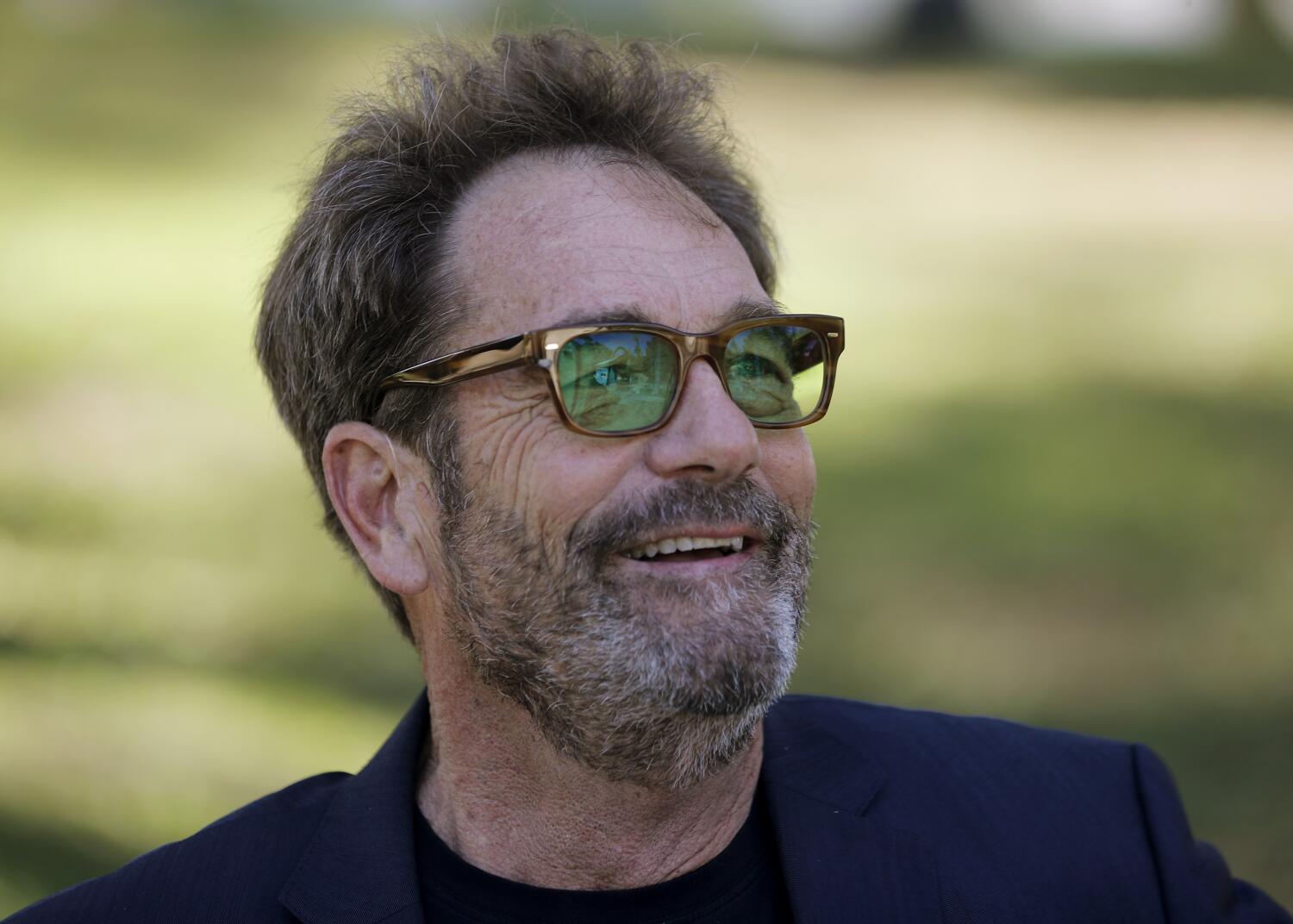
Imagine spending four decades of your life on stage, fueled by the roar of the crowd and the perfect harmony of a bassline, only to wake up one day and find that music sounds like a completely blown-out speaker. That's the brutal reality rock icon Huey Lewis has been dealing with for nearly a decade.
He didn't just retire because he wanted to relax on a ranch. He stopped performing because his ears literally bailed on him, turning the art form he loves into a chaotic wall of digital noise.
The frontman of Huey Lewis and the News recently opened up about how he's basically deaf. His condition has completely isolated him from the musical world. It's a heartbreaking scenario for a guy who gave us timeless hits like "The Power of Love" and "The Heart of Rock & Roll." But his story is also a stark look into a complex health battle that millions of people quietly navigate.
Why Music Disappeared for Huey Lewis
The nightmare didn't happen all at once. Lewis actually lost the hearing in his right ear 35 years ago. Back then, a prominent ear, nose, and throat doctor gave him some blunt advice. He told Lewis to get used to it, noting that legends like Jimi Hendrix and Brian Wilson did just fine with one working ear. So, Lewis adapted. He spent the next quarter-century touring the world, relying entirely on his left ear to find his pitch and lead his band.
Everything shattered on January 27, 2018. Just before a gig in Dallas, Texas, his left ear gave out.
He went on stage anyway, and it was a disaster. He couldn't hear the band. He sang a whole step flat. His bandmates knew instantly that something was terribly wrong. It was the worst night of his life, and it ended up being his last traditional rock concert. The band had to cancel their tour, walking away from the road after nearly 40 years together.
Lewis suffers from Ménière's disease. It's an inner ear disorder that causes severe fluid fluctuations, leading to intense vertigo, tinnitus, and ear pressure. The worst part for a musician isn't just losing volume; it's the violent distortion. Lower frequencies fall off a cliff.
The Acoustic Problem with Hearing Assistance
You might wonder why a modern hearing aid or a cochlear implant can't just fix the issue. Technology has come a long way, but it hasn't mastered the art of replicating live music for damaged nerves.
Lewis has a cochlear implant on one side and a standard hearing aid on the other. They stream directly to his phone and computer, which helps him navigate everyday conversations. But music is a completely different beast than human speech.
Speech is relatively simple to compress and transmit. Music happens across a massive spectrum of overlapping frequencies, harmonics, and complex overtones. The cochlear implant processes sound by breaking it down into raw digital bits. While this makes it easier to understand a person speaking, it completely destroys the architecture of a song.
For Lewis, voices through his implant sound like the speaker took a hit of helium. If human speech is warped that way, music becomes completely unrecognizable. The digital processing colors the pitch, making it impossible to find a melody or enjoy a song.
He tried everything to find an alternative. He visited the top specialists at the Mayo Clinic, the House Ear Institute, and Stanford. He experimented with strict diets, giving up salt and meat. He tried fasting, holistic herbs, acupuncture, and cranial massage. Absolutely nothing worked to stabilize his ears.
Finding Life Outside the Studio
Losing your identity overnight is a massive psychological blow. Lewis admitted that the first six months after his hearing collapsed left him completely tormented. When you can't do the one thing you love most, navigating daily life becomes an uphill battle.
He managed to find a silver lining by shifting his creative focus where his ears wouldn't hold him back. He poured his energy into The Heart of Rock & Roll, a Broadway musical comedy built around his band's catalog. Because theater is highly collaborative, it gave him the camaraderie he missed from being on the road.
He also turned heavily to nature. His family, especially his son, encouraged him to escape into the outdoors. Today, he spends a lot of his time fly fishing, finding a different kind of peace that doesn't require a perfect acoustic balance.
There's still a tiny shred of hope on the technical horizon. Lewis has mentioned keeping an eye on advancements in fully internal cochlear implants. These devices live entirely under the skin, allowing users to swim and sleep without removing an external piece. While it might not give him his musical ear back, it could drastically improve his quality of life.
If you or someone you know is dealing with sudden hearing changes or chronic tinnitus, don't wait for it to pass. Get an automated hearing screening or book an appointment with an audiologist immediately. Protecting your remaining hearing is a step you need to take before the damage is done.
Huey Lewis On Hearing Loss this clip features the musician explaining firsthand how his left ear distortions make lower frequencies sound like a completely blown speaker.