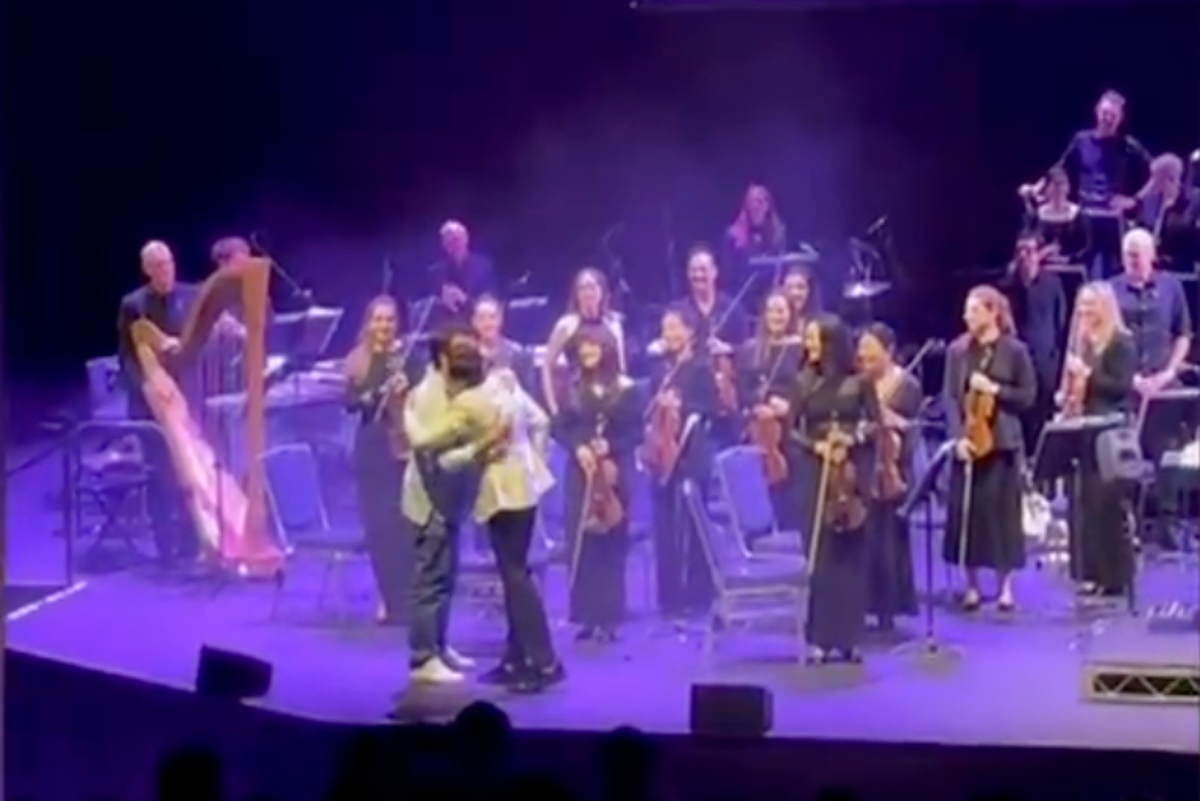
The feel-good story of the year just broke, and everyone is buying it hook, line, and sinker. A touring production of La La Land Live in Concert hits Sydney. The lead keyboardist suddenly falls ill right before the curtain rises. Panic ensues. Then, like a scene straight out of a Hollywood script, a talented pianist steps out of the audience, dusts off their hands, sits at the grand piano, and plays a flawless show. The crowd goes wild. The internet weeps tears of pure joy.
It is a beautiful narrative. It is also an absolute logistical impossibility that insults the intelligence of anyone who has ever worked a day backstage in professional entertainment. For a different view, check out: this related article.
We love the myth of the overnight discovery. We worship the idea of the unrecognized genius waiting in row 4, seat 12, ready to save the day. But behind the curtain of high-stakes live entertainment, relying on a random audience member to steer a multi-million-dollar production is not inspiring. It is a fairy tale manufactured for public relations, masking either gross managerial incompetence or, more likely, a highly choreographed safety net that the public was never supposed to see.
Let’s tear down the romanticized curtain and look at how professional live music actually functions. Related reporting on the subject has been published by E! News.
The Myth of the Plug-and-Play Musician
The mainstream media covers live orchestral events as if they are local jazz jam sessions. They imply that if you know the notes, you can play the gig.
They are wrong.
A film-live concert—where a symphony orchestra plays the score perfectly synchronized to a massive movie screen—is not a standard recital. It is a high-precision mechanical machine. The lead keyboardist in a show like La La Land is not just reading sheet music. They are locked into a rigid technical ecosystem that requires hours of specific rehearsal to navigate.
- The Click Track: Musicians in these productions wear in-ear monitors feeding them a metronome beat (the click) and audio cues. If you miss the click by a fraction of a second, the music desynchronizes from the film. The actors on screen stop talking, but the brass section is still blaring.
- The Visual Guides: Conductors rely on "streamers and punches"—color-coded visual lines flashing across a custom monitor—to hit exact film frames. A guest pianist has to interpret the conductor's physical beat while simultaneously locking into these digital markers.
- Patch Changes: Modern show keyboards do not just sound like a piano. They run complex software (like MainStage) with dozens of preset sound changes. The player must press specific pedals or buttons to change the sound from a 1920s jazz piano to a lush synthesizer at the exact bar.
Imagine a scenario where a driver who has only ever operated a manual Honda Civic is suddenly thrown into the cockpit of a Formula 1 car during a live race. Even if they know how to steer, they will crash at the first turn because they do not know the interface.
To suggest a fan walked out of the crowd and mastered these specific technical variables instantly is a fantasy.
The Reality of the "Spontaneous" Rescue
When a miracle like this happens, one of two realities is actually at play.
Scenario A: The Planted Cover
The "audience member" was an incredibly over-qualified, pre-vetted local professional who was already on standby.
In the touring industry, production companies regularly hire local "dep" (deputy) musicians or keep regional fixers on speed dial. If the primary player gets sick, the company calls the local savior. They do not hand them a ticket in the stalls and hope for the best; they brief them, give them the tech specs, and place them strategically. Presenting them as a random fan creates a viral marketing moment that money cannot buy.
Scenario B: Unacceptable Negligence
If this individual truly was a random ticket-holder who happened to know the book, the production team committed a massive breach of professional standards.
I have spent decades managing live events and negotiating rider contracts. If a producer tells me they do not have a designated understudy, a secondary keyboard player in the pit, or a digital backing track ready to fire from the playback rig in case of emergency, I will show them a promoter who is begging to be sued.
Allowing an unvetted, uncontracted individual to step onto a professional stage violates:
- Public Liability Insurance: If that person trips over a monitor wedge or suffers an injury, the venue's insurance policy is voided.
- Union Regulations: Professional orchestral gigs operate under strict Musicians’ Union rules. Dropping a non-union amateur into a paid chair causes immediate labor disputes.
- Intellectual Property Agreements: Sheet music for unreleased or tightly controlled live scores cannot legally be distributed to uncontracted individuals.
Promoting this as a heartwarming triumph encourages a toxic industry standard where companies cut corners on safety nets and understudies, hoping that "luck" will save their box office revenue.
Why We Fight for the Narrative
Why does the media perpetuate this? Because the truth is boring.
The truth is a story about a secondary contractor executing a contractual backup plan while a stage manager drinks black coffee and checks a stopwatch. That does not get clicks. "Amateur Saves the Symphony" gets millions of shares.
The audience wants to believe that they too are just one lucky break away from greatness. We want to believe that the barrier between the consumer and the elite performer is paper-thin.
It isn't. The barrier is thousands of hours of unseen, monotonous, grueling technical practice.
The Real Actionable Takeaway for Event Producers
Stop praying for miracles and start budgeting for redundancy.
If you run live events, theater productions, or high-stakes corporate keynotes, the "Sydney Miracle" is a warning sign, not an inspiration.
- Build the "Two is One, One is None" Rule: If a single point of failure can shut down your event, your design is flawed. You need a secondary player, a secondary machine, or a secondary venue.
- Kill the Romance: Do not let your PR team write narratives that make your logistical failures look like magic. It sets a precedent where clients expect you to pull rabbits out of hats instead of paying for proper infrastructure.
The keyboardist in Sydney didn't save the show because the universe loves jazz. The show survived because a highly complex system of professional contingency plans—or a very clever marketing team—ensured the music didn't stop.
Stop cheering for the rewrite. Start respecting the system that actually keeps the lights on.