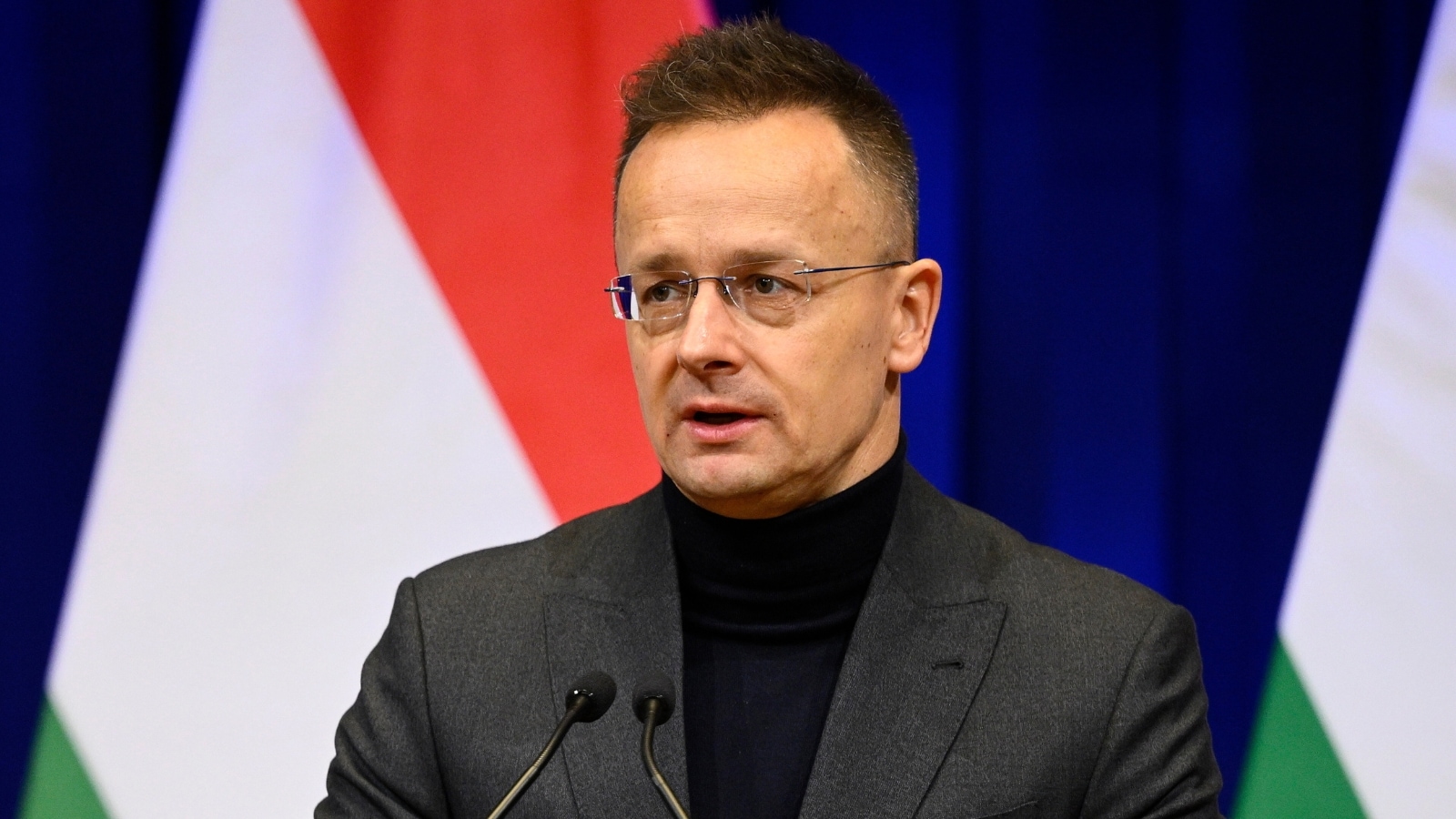
Western regulatory scrutiny loves a simple, villainous narrative. When news broke that a former Hungarian foreign minister landed a role with Chinese electric vehicle titan BYD, triggers went off across European capitals. Investigations were demanded. Concerns about state capture, unethical lobbying, and national security risks instantly filled the news cycle.
It is a predictable knee-jerk reaction. It is also entirely misplaced.
The mainstream commentary treats former officials joining foreign multinationals like a Trojan horse scenario. The consensus claims that political influence is being traded for corporate favors, compromising sovereign integrity. That narrative is lazy. It mistakes standard geopolitical hedging and economic survival tactics for insider corruption.
The Naive Fantasy of Neutral Capital
Brussels and domestic regulatory bodies love to pretend that corporate expansion operates in a vacuum of free-market purity. They act shocked when a global powerhouse hires people who actually understand how power works.
I have watched boards throw away millions trying to navigate foreign policy using traditional strategy consultants who have never spent ten minutes in a ministry. It does not work. When BYD hires former top-level diplomats, they are not buying policy changes; they are buying an understanding of how bureaucratic machinery grinding behind closed doors actually functions.
To view this strictly through the lens of a security threat ignores the brutal reality of current global trade.
- Geopolitical alignment is no longer optional. Western markets expect foreign firms to follow hyper-specific, constantly moving regulatory targets.
- Local expertise prevents economic friction. Former ministers know where the actual choke points lie in European bureaucracy.
- Industrial strategy requires backchannels. Public negotiations are mostly posturing; real economic deals rely on established relationships.
Hungary did not land massive industrial commitments from Chinese tech giants by playing by the soft rules of Western European consensus. They did it by positioning themselves as the primary bridge between Eastern manufacturing dominance and the European consumer market.
Why the revolving door debate is structured backwards
The standard panic asks: How do we stop former politicians from capitalizing on their government experience?
That is the wrong question.
The real question is: Why are European regulatory frameworks so needlessly dense that global companies need former ministers just to navigate them?
Regulatory complexity creates the very market for political influence that regulators then complain about.
When a government creates a labyrinth of subsidies, environmental exemptions, and regional industrial permits, it automatically inflates the market value of insiders. BYD’s aggressive European expansion requires massive factory footprints, complex energy supply agreements, and intricate labor negotiations. Expecting a firm handling billions in capital expenditure to rely on mid-level corporate lawyers rather than former senior policymakers is delusional.
+-------------------------------------------------------+
|             THE REGULATORY FEEDBACK LOOP              |
|                                                       |
|   Complex State Bureaucracy                           |
|              │                                        |
|              ▼                                        |
|   High Insider Value (Former Officials Needed)        |
|              │                                        |
|              ▼                                        |
|   Corporate Hires of Political Insiders               |
|              │                                        |
|              ▼                                        |
|   Public Backlash & Outcry over "Influence"           |
|              │                                        |
|              ▼                                        |
|   More Regulations Created (Loop Repeats)             |
+-------------------------------------------------------+
Investigations into these deals rarely find explicit illegalities because the primary value of an ex-minister is not trading state secrets. It is risk mitigation. It is knowing which bureaucrat will delay a site permit for six months over a minor zoning technicality, and how to format a proposal so it does not get buried in committee.
The Risk Nobody Talks About
Taking a contrarian view does not mean ignoring the downside. There is a genuine structural risk here, but it isn't the cartoonish spying narrative pushed by commentators.
The true risk is market distortion.
When mega-corporations snap up former high-ranking diplomats, they raise the cost of regulatory compliance for everyone else. A domestic European startup or a smaller EV competitor cannot hire a former foreign minister to smoothen their regional supply chain. They have to slog through the standard administrative swamp.
This creates an un-level playing field where incumbent giants and massive foreign players consolidate power, while smaller innovators get suffocated by the very regulations designed to protect them. The problem isn't that foreign players are buying influence—it's that Western systems made influence a prerequisite for fast execution.
Stop Probing the Symptoms
If European nations want to stop foreign multinationals from hiring their former political class, the solution is not more performative probes or vague ethics panels.
The solution is radical simplification of industrial policy.
Make land acquisition, grid connection, and manufacturing permits transparent, fast, and predictable. If the rules are clear and the process is swift, the competitive advantage of hiring a former foreign minister collapses to zero.
Until that happens, global leaders will keep hiring ex-politicians, regulators will keep holding dramatic press conferences, and the underlying mechanics of global business will keep moving right past them.