Stop looking at soccer as a niche sport in America. If you still think the beautiful game only draws crowds when Uncle Sam is on the pitch, last Sunday night completely shattered that myth.
The numbers are out, and they are wild. The World Cup Round of 16 blockbuster between Mexico and England hauled in a jaw-dropping 21.74 million viewers on FOX alone. Let that sink in. That isn't just a big rating for a soccer match. It makes the thrilling 3-2 England victory the most-watched non-US, English-language soccer broadcast in American television history.
When you factor in Telemundo's staggering Spanish-language audience, the total numbers push past 45 million viewers in the US alone. This wasn't just a game. It was a massive cultural event that outpaced almost everything else on the television calendar.
The Night Soccer Outgrew the Gridiron Matrix
We've been told for decades that American sports fans only tune in for domestic teams or the Super Bowl. Sunday night proved that the appetite for elite international soccer has completely mutated.
According to official Nielsen data released by FOX Sports, the English-language broadcast peaked at an astronomical 25.72 million viewers at 10:15 PM EST. To put this into perspective, a normal regular-season NFL game averages around 18 million viewers. This single Round of 16 soccer match between two foreign nations essentially reached AFC or NFC Championship game territory.
It completely eclipsed the previous English-language record for a non-US World Cup match, which was held by the legendary 2022 Final between Argentina and France (16.78 million). A Round of 16 match just beat Lionel Messi lifting the trophy in Qatar by nearly five million viewers.
Breaking Down the Eye-Popping Numbers
The sheer scale of this television audience requires a closer look to understand what actually happened. It wasn't just a win for traditional cable or network television. It was a multi-platform explosion.
- FOX Network Broadcast: 21.74 million average viewers (including pre-match coverage).
- Telemundo Linear TV: 10.1 million viewers via official Nielsen metrics.
- Streaming Platforms (Peacock/Adobe Analytics): 13.0 million pure streaming viewers during the match window.
- Combined Domestic Footprint: Roughly 45 million Americans watched the drama unfold.
Honestly, the streaming metrics from NBCUniversal are the real shocker here. More people streamed the match in Spanish via Peacock than watched the traditional linear television broadcast on Telemundo. That is an insane shift in how younger, hyper-engaged sports fans consume major events.
A Perfect Storm of Stakes and Drama
Why did this specific game turn into such a ratings monster? You have to look at the unique context of the 2026 World Cup. The tournament is being hosted across North America, and Mexico was playing on what felt like native soil at the iconic Estadio Azteca in Mexico City.
The match itself delivered absolute theater. Jude Bellingham put England up early with a quickfire double, scoring in the 36th and 38th minutes. Mexico clawed one back right before halftime through Julián Quiñones.
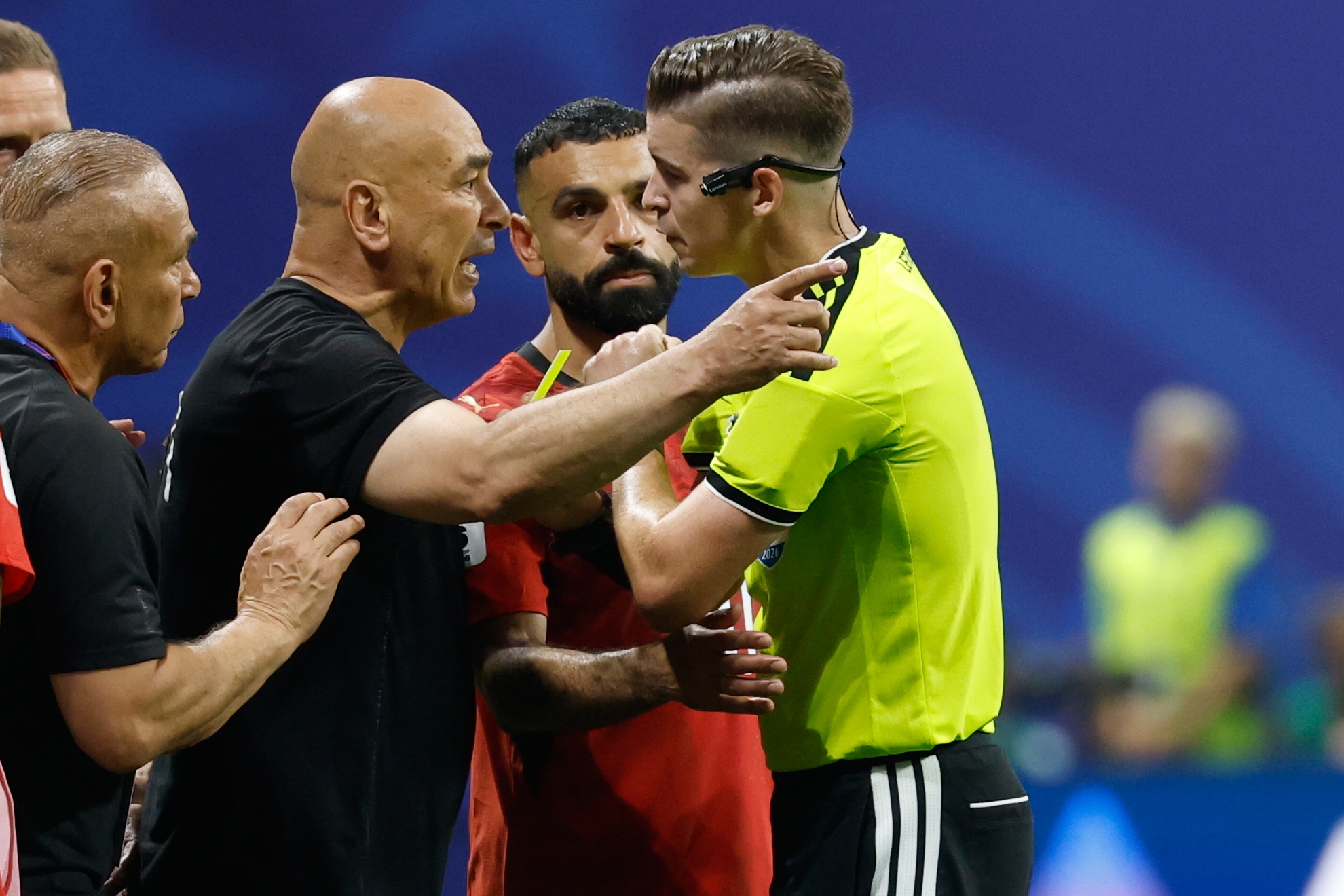
Then things got chaotic. England defender Jarell Quansah picked up a straight red card in the 54th minute after a VAR review, forcing the Three Lions to defend for over half an hour with only ten men. Harry Kane converted a penalty to make it 3-1, but Raúl Jiménez answered with a Mexican penalty in the 68th minute. The final twenty minutes featured nonstop, desperate English defending against a furious Mexican onslaught.
It provided the kind of high-stakes urgency that keeps casual channel-flippers glued to the screen. Every single minute felt like a matter of life and death.
The Financial Reality of the New Era
If you think FIFA executives aren't staring at these spreadsheets with dollar signs in their eyes, you're kidding yourself. Historically, television networks negotiated the English and Spanish broadcast rights for the World Cup through entirely separate bidding wars.
This tournament has changed the calculus. Industry insiders report that FIFA is now poised to bundle English and Spanish rights together for future cycles. By leveraging the massive joint demand demonstrated by FOX and Telemundo during this tournament, soccer rights in the US could easily fetch upward of $3 billion in the next negotiation cycle.
Even when the US Men's National Team isn't on the field, the domestic market has proven it will turn up in numbers that rival the biggest sporting leagues on the planet. Soccer hasn't just arrived in America. It's dominating the conversation.
The next step for advertisers and television networks isn't figuring out how to market soccer to Americans. It's figuring out how to handle an audience that has officially grown bigger than the old broadcast models can contain.