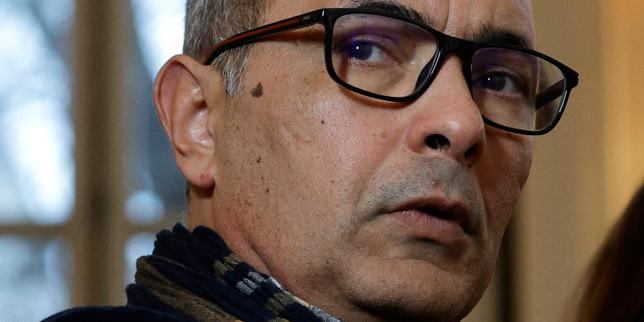
Justice took forty years to arrive for Deborah Atrops. In a courtroom in Washington County, Oregon, a judge finally sentenced Robert Atrops to 20 years in prison. He's 68 now. When he killed his wife in 1988, he was a young man who thought he'd gotten away with the perfect crime. He didn't.
This case isn't just another true crime headline. It's a reminder that the "statute of limitations" on grief doesn't exist. Families of missing and murdered women from the 1980s have spent decades looking at empty chairs during Thanksgiving. They've watched detectives retire and case files gather dust. But the tide is turning. Better forensic technology and a different approach to interviewing witnesses are making it impossible for killers to stay hidden in the past.
The Night Everything Changed in Tigard
Deborah Atrops disappeared in late November 1988. She was 30 years old. She had a life, a family, and a husband who claimed she just walked away. Robert Atrops told police a story that sounded plausible enough back then. He claimed they had a fight and she left their home in Tigard.
Police found her car a few miles away. It was parked at an apartment complex. Her body was inside the trunk. She'd been strangled.
Back in 1988, the investigation hit a wall. Forensic science wasn't what it is today. DNA testing was in its infancy. If you didn't have a smoking gun or a direct witness, cases went cold fast. Robert was always a person of interest, but "interest" doesn't get you a conviction in front of a jury. He moved on. He lived his life for three and a half decades while Deborah’s family lived in a frozen state of "what if."
Why These Cases Stalled for Decades
We have to talk about why it took so long. It's easy to blame "bad policing," but the reality is more technical. In the 80s, we lacked the digital footprint we have now. No GPS. No cell tower pings. No doorbell cameras.
Investigators relied on physical evidence that was often degraded. More importantly, they relied on people’s memories. In the Atrops case, the breakthrough didn't come from a magic "CSI" moment with a glowing chemical. It came from the Washington County District Attorney’s Office Cold Case Unit taking a fresh look at everything.
They re-interviewed people. They looked at the inconsistencies in Robert's story that had been overlooked or dismissed thirty years ago. When you look at a case through a modern lens, the lies usually start to show their age. Robert Atrops was arrested in 2023. A jury found him guilty of second-degree murder earlier this year.
The Reality of a 20 Year Sentence
Some people hear "20 years" and think it's not enough. He lived free for 35 years while his victim was gone. It feels lopsided.
But there’s a legal reality here. He was sentenced under the laws that existed at the time of the crime. In 1988, sentencing guidelines were different. The judge gave him what was effectively the maximum possible for that era. For a man nearly 70, a 20-year sentence is essentially a life term. He’ll likely spend the rest of his days behind bars.
It’s about the message this sends to other "unsolved" killers. You aren't safe just because time passed. The Oregon legal system, specifically the Cold Case Unit, is proving that they don't give up. They have boxes of files. They're going through them one by one.
What This Means for Cold Case Advocacy
If you have a loved one whose case is sitting in a box somewhere, this conviction matters. It shows that persistence by the DA and local detectives works.
Cold case units are often underfunded. They're the first thing to get cut when budgets get tight. That's a mistake. These units provide the only path to closure for families. In the Atrops case, it took a dedicated team to piece together a narrative that could hold up in court without the benefit of fresh physical evidence.
Public interest plays a role too. When people keep talking about these cases, they stay on the priority list. True crime culture gets a lot of flak for being exploitative, but it also keeps names like Deborah Atrops in the public consciousness. It pressures departments to keep digging.
How to Support Cold Case Investigations
Justice shouldn't depend on luck. It should depend on resources. If you want to see more results like the Atrops conviction, you have to support the infrastructure that makes it possible.
- Advocate for funding. Write to your local representatives about supporting dedicated cold case units in your state.
- Support non-profits. Organizations like the Cold Case Foundation or local victim advocacy groups provide resources that cash-strapped police departments often lack.
- Keep sharing. If you know of a cold case in your area, share the details on social media. You never know who might remember a detail they thought was unimportant thirty years ago.
Robert Atrops thought the clock had run out. He was wrong. The conviction in Oregon proves that the truth is patient. It's a win for the Atrops family and a warning to anyone else who thinks they've buried their secrets deep enough. Justice arrived late, but it arrived.
Check your local county sheriff’s website. Most have a dedicated page for cold cases. Look at the faces. Read the stories. These aren't just files; they're people. Keeping their stories alive is the first step toward the next conviction.