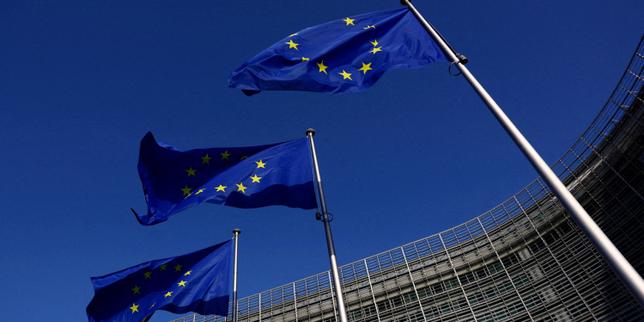
The deadlock finally broke in Brussels. After months of posturing and high-stakes political theater, the European Union cleared the path for a massive 90 billion euro loan to Ukraine. This isn't just another line item in a budget. It's a lifeline that keeps the lights on in Kyiv and ensures the Ukrainian military doesn't run out of basic supplies as the conflict drags into another grueling phase. Viktor Orbán finally blinked. The Hungarian veto, which felt like an immovable object for so long, vanished after a series of closed-door negotiations that likely involved more than a few concessions behind the scenes.
You should care about this because it signals a shift in how Europe views its long-term commitment. We're moving past the "month-to-month" survival mode. This money represents a structured, multi-year plan. It’s financed by the windfall profits from frozen Russian assets, a move that would've been unthinkable two years ago. The legal hurdles were immense. EU lawyers spent months arguing over whether seizing the interest on these assets violated international law. Apparently, they found their workaround.
Why the Hungarian veto finally collapsed
Viktor Orbán didn't change his mind because of a sudden burst of solidarity. He’s a pragmatist. For months, Hungary held this funding hostage to extract frozen EU funds intended for Budapest—money that had been locked away due to concerns over the rule of law and judicial independence in Hungary.
The pressure from the other 26 member states reached a boiling point. There was talk of "the nuclear option"—Article 7 of the EU treaty—which could have stripped Hungary of its voting rights. Nobody actually wanted to go that far. It would've set a precedent that could tear the union apart. Instead, a deal was struck. While the official line is that Hungary's concerns about "transparency" were met, everyone knows the truth. It was a classic political trade. Orbán got enough of a win to save face at home, and the rest of Europe got to prove they could still function as a unified bloc.
It's a messy way to run a continent. Honestly, it's exhausting to watch. But in the world of realpolitik, a messy win is still a win. The 90 billion euros will be distributed over several years, providing the stability Ukraine needs to plan its defense and rebuild critical infrastructure targeted by Russian strikes.
Breaking down the 90 billion euro loan
This isn't a gift. It's a loan, but the terms are incredibly favorable. Most of the burden for repayment and interest will be covered by the profits generated from the roughly 300 billion dollars in Russian central bank assets sitting in European financial institutions like Euroclear.
Think about the irony there. Russia’s own money is effectively paying for Ukraine's defense.
The funds are earmarked for specific areas. First, there's the basic functioning of the state. We're talking about paying teachers, healthcare workers, and first responders. Without this, the Ukrainian economy would likely collapse under the weight of its military spending. Second, a significant portion goes toward the "Ukraine Facility," a framework designed to support recovery and modernization. This is the EU's way of prepping Ukraine for eventual membership. They're not just throwing money at a war; they're investing in a future member state.
The role of frozen Russian assets
For a long time, the G7 and the EU were terrified of touching these assets. They worried it would undermine the Euro or the Dollar as global reserve currencies. If you can seize a country's money today, what's to stop you from doing it to another country tomorrow? That was the fear.
But as the war became a war of attrition, those fears took a backseat to the reality of the bill. The G7 eventually agreed on a plan to use the profits—not the principal—as collateral for loans. This 90 billion euro package is Europe's contribution to that broader global effort. It’s a clever bit of financial engineering that lets the West fund Ukraine without constantly going back to their own taxpayers for more cash.
The impact on the ground in Ukraine
Ukraine's budget deficit is staggering. When your entire industrial base is being shelled and your workforce is on the front lines, you don't collect much in taxes. President Zelenskyy has been blunt about the fact that without Western financial aid, the country simply stops working.
This 90 billion euros changes the math for the Kremlin. Vladimir Putin’s strategy has largely relied on outlasting the West’s patience. He’s betting that the US and Europe will get bored, get distracted by their own domestic elections, or just run out of political will. This loan package throws a massive wrench in that plan. It guarantees funding into the foreseeable future, making it clear that Europe isn't going anywhere.
It also helps stabilize the Hryvnia, Ukraine's currency. Hyperinflation is a silent killer in wartime. If the currency fails, the social fabric of the country follows. This injection of hard currency allows the Ukrainian central bank to keep things relatively steady, which is vital for the morale of the civilian population.
The cracks in European unity remain
Don't let this one victory fool you into thinking the EU is perfectly aligned. The "Orbán problem" hasn't gone away; it’s just been managed for now. There are still deep divisions about how far to go. Should Ukraine be allowed to use Western weapons to strike deep into Russian territory? Should the EU move toward a war economy? These questions still cause heated debates in Brussels and Paris.
Slovakia, under Robert Fico, has also expressed skepticism about continued military aid. While they didn't join Hungary in the veto this time, the populist wave across Europe is making these large-scale financial commitments harder to pass. Every time a new package comes up, it’s a fight.
The reality is that Europe is doing more than it gets credit for, especially compared to the political gridlock we often see in Washington D.C. While the US provides the bulk of the high-end military hardware, the EU is effectively the banker for the Ukrainian state. One cannot function without the other.
What happens next with the funds
The first tranches of this 90 billion euro loan are expected to hit Kyiv's accounts relatively quickly. There are strings attached, of course. The EU has built in "reform requirements." Ukraine has to show progress in fighting corruption and strengthening its judicial system. It seems harsh to demand administrative reform in the middle of a war, but it’s a necessary step for EU accession.
The focus now shifts to the technical implementation. The EU Commission will oversee the disbursements, ensuring the money goes where it's supposed to. You’ll see a lot of talk about "audit trails" and "monitoring frameworks" in the coming months. It’s boring stuff, but it’s what keeps the skeptical voters in countries like Germany and the Netherlands from revolting against the spending.
If you're following this closely, keep an eye on the interest rates and the specific legal challenges that Russia will undoubtedly launch in international courts. They’ve already threatened "retaliation" for the use of their assets. What that looks like remains to be seen—it could range from seizing European assets still in Russia to increased cyberattacks.
The immediate takeaway is simple. The EU finally found its spine and its checkbook at the same time. For Ukraine, it’s a massive relief. For Russia, it’s a sign that their "long game" just got a lot more expensive.
Keep your eyes on the quarterly reports from the European Central Bank. They'll be the ones tracking how the frozen asset profits are actually performing. If those profits dip, the EU might have to dip into its own pockets to cover the difference, and that’s when the political fireworks will start all over again. For now, the money is flowing, and Kyiv has the breathing room it desperately needed.