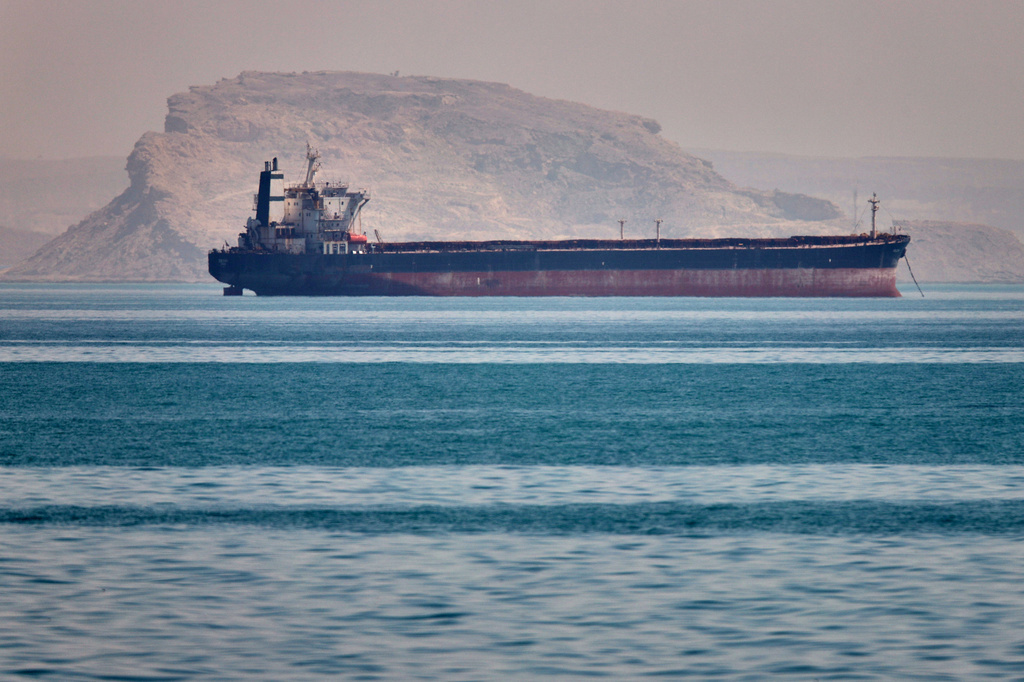
The Canary Islands have shut their doors. A vessel carrying more than just passengers is now drifting in a bureaucratic and biological limbo after local authorities issued a hard refusal for the ship to dock. The reason is a rare but lethal presence of hantavirus, a pathogen typically associated with rodents rather than luxury liners. While the immediate focus is on the health of those on board, this standoff exposes a massive, systemic vulnerability in international maritime law and the fragility of "safe" tourism hubs.
Public health officials in Las Palmas didn't hesitate. By denying entry, they are prioritizing the safety of a permanent population over the contractual obligations of a cruise line. This isn't just about a single ship; it is about the precedent of territorial sovereignty in the face of an unconventional outbreak. Hantavirus is not the flu. It doesn't spread like a cold, but when it hits, it hits with a fatality rate that can climb as high as 38 percent depending on the strain.
The Mechanics of a Silent Spreader
Hantavirus Pulmonary Syndrome (HPS) is a severe respiratory disease. Unlike the more common norovirus outbreaks that plague the cruise industry—which cause miserable but usually non-lethal gastrointestinal distress—hantavirus is a heavyweight. Humans typically contract it through contact with the urine, droppings, or saliva of infected rodents. On a ship, where ventilation systems are interconnected and storage areas are tight, the discovery of such a virus suggests a failure in basic pest control and sanitary maintenance.
The virus doesn't require a handshake to move. Tearing through the dust of a contaminated storage locker can aerosolize the virus. Once inhaled, the incubation period can last anywhere from one to eight weeks. This creates a nightmare for contact tracing. By the time a passenger shows symptoms, they might have already traveled through three different countries and five different ports.
Why the Canary Islands Said No
Local governments in the Canary Islands are keenly aware of their geography. As an archipelago, they are an isolated ecosystem. Bringing a known pathogen into a hub that relies almost entirely on the fluidity of tourism is a gamble they aren't willing to take. There is also the matter of medical infrastructure. While the islands have modern hospitals, they are not designed to handle a sudden surge of high-level biocontainment cases from a vessel carrying thousands.
The decision to block the ship is a calculated defensive move. If the virus were to jump from the ship to the local rodent population, the islands would face a permanent ecological and economic disaster. Eradicating a virus once it enters the local wildlife is nearly impossible.
The Failure of Maritime Oversight
This crisis shines a harsh light on the gaps in shipboard inspections. Cruise ships are essentially floating cities, yet they often operate under flags of convenience, registering in nations with lax labor and safety laws. While the Port State Control (PSC) is supposed to act as a filter, many inspections are cursory.
- Sanitation Lapses: Rodent infestations on a modern ship are usually the result of contaminated food supplies brought on board during rapid turnarounds.
- Ventilation Risks: Older vessels often lack the HEPA filtration necessary to scrub aerosolized particles from the air.
- Reporting Delays: There is a documented history of cruise lines hesitating to report illnesses to avoid the stigma of a "quarantine ship," which only compounds the danger.
The "why" behind this specific outbreak likely points to a breakdown in the supply chain. If a grain shipment or dry-good pallet was infested at a previous port and not properly vetted, the ship effectively becomes a giant incubator.
Legal and Human Limbo
The passengers are the ones paying the price for this oversight. Stuck in their cabins, they are watching the coastline of a destination they paid thousands to visit slowly disappear as the ship is ordered back to sea. International law is surprisingly murky here. While the United Nations Convention on the Law of the Sea (UNCLOS) generally protects the right of innocent passage, it does not force a sovereign nation to open its ports to a biological hazard.
Insurance companies are already bracing for the fallout. Standard travel insurance often has "act of government" or "quarantine" exclusions that make it difficult for passengers to claw back their money. Meanwhile, the cruise line faces potential litigation for negligence if it can be proven that they knew of the infestation before the ship departed its last port of call.
The Real Cost of the Modern Cruise
We have reached a point where the scale of these ships has outpaced the ability of ports to manage their risks. A ship with 5,000 people is not a boat; it is a moving municipality. When that municipality becomes toxic, nobody wants to be the one to deal with the waste.
The Canary Islands’ refusal is a signal to the entire industry. The era of "dock first, ask questions later" is over. Local authorities are no longer willing to risk their citizens' lives for the sake of port fees and souvenir sales. This standoff will likely force a total rewrite of how health clearances are handled at sea. We are looking at a future where digital health passports for ships—not just people—become the mandatory entry requirement.
Biological Sovereignty vs. Corporate Profit
The conflict boils down to a simple tension. The cruise line wants to minimize losses and fulfill its itinerary. The Canary Islands want to prevent a localized extinction of their tourism-based economy. When these two forces collide, the entity with the land always wins.
This isn't a story about a "sick ship." It is a story about the end of the global pass. Every port is now a border, and every border is a filter. The hantavirus is just the catalyst that revealed how thin the line is between a dream vacation and a floating prison.
The ship remains offshore. It is low on supplies. It is high on anxiety. The crew is reportedly working overtime to deep-clean surfaces that may already be irrelevant if the virus is in the ducts. This is the new reality of high-density travel in an age of heightened biosensitivity.
Safety is no longer a given; it is a luxury that the industry can no longer guarantee without radical transparency.
The next time you see a massive white hull on the horizon, don't just think of the buffet and the sun deck. Think of the miles of piping, the tons of grain, and the tiny, unseen travelers that can bring a multi-billion dollar industry to a dead stop.
The anchors are up, but the ship has nowhere to go.