Strategic Assessment
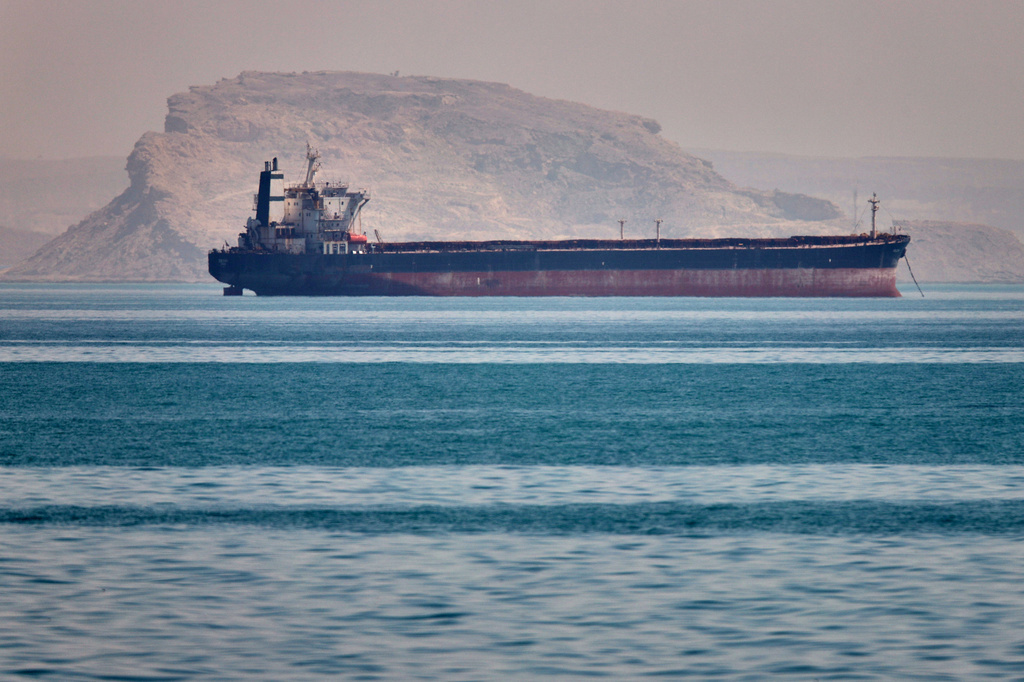
The global economy relies on the daily transit of approximately 21 million barrels of crude oil and petroleum products through the Strait of Hormuz. When Iran asserts control over this maritime chokepoint, financial markets price the uncertainty immediately into the Brent Crude futures curve. To understand the economic mechanism behind these geopolitical tensions, we must decompose the relationship between physical transit volume, insurance risk premiums, and alternative supply chain routing.
This article establishes a quantitative and operational framework to analyze the transit economics of the Strait of Hormuz, mapping out the cost functions of rerouting and the operational constraints of the global maritime supply chain.
The Quantitative Anatomy of the Strait
The Strait of Hormuz is the world's most critical oil transit chokepoint. To evaluate the systemic risk of an Iranian blockade or interdiction, we must analyze its daily capacity alongside the physical alternatives.
- Daily Volume: 21 million barrels per day (bpd), representing approximately 21 percent of global petroleum liquids consumption.
- Vessel Traffic: An average of 14 to 17 crude oil and product tankers pass through the strait daily, carrying both crude and liquefied natural gas (LNG).
- Strategic Vulnerabilities: The navigable channel is only two miles wide in either direction, forcing deep-draft tankers into Iranian territorial waters during specific phases of the passage.
The transit constraint is not merely about volume; it is about the lack of fungible infrastructure. When tankers are delayed or insurance rates spike, refineries in Asia and Europe experience an immediate input shock.
The Economic Cost Function of Rerouting
When access to the Strait of Hormuz is threatened, the shipping industry is forced to divert vessels through longer, less efficient routes. The cost of this rerouting can be modeled as a function of distance, time, and premium surcharges.
Pipeline Diversion Mechanics
There are limited operational bypass routes capable of offloading oil without entering the Persian Gulf:
- The East-West Pipeline (Saudi Arabia): Connects Abqaiq to the Red Sea port of Yanbu, with a total capacity of 5 million bpd.
- The Habshan Pipeline (UAE): Transports onshore crude oil from Abu Dhabi to the port of Fujairah on the Gulf of Oman, with a capacity of 1.5 million bpd.
- The Sumed Pipeline (Egypt): Moves crude oil from the Red Sea to the Mediterranean, providing an alternative route for European deliveries.
The Math of Rerouting
When tankers must bypass the Strait and route around the Cape of Good Hope, the additional transit time increases shipping costs significantly.
The variable cost function of maritime freight is directly proportional to the distance traveled. A standard Very Large Crude Carrier (VLCC) incurs daily charter costs ranging from $40,000 to $80,000 depending on the market cycle. Rerouting around the Cape of Good Hope adds approximately 6,000 to 8,000 nautical miles to the journey between the Middle East and Rotterdam, adding roughly 15 to 20 days of sailing time per voyage.
Insurance and War Risk Premiums
The marginal cost of insurance in a conflict zone is determined by the Joint War Committee (JWC) and individual marine underwriters. The mechanism works through two main components:
- Hull and Machinery (H&M) Insurance: Surcharges are calculated as a percentage of the vessel's insured value. In periods of heightened tension, these premiums can escalate from standard rates of 0.05 percent to 2.0 percent or higher.
- Protection and Indemnity (P&I) Clubs: Cover third-party liability, including pollution and wreck removal. P&I clubs often levy additional detention and redirection calls, which operators must factor into their operational budgets.
For a vessel valued at $120 million, an increase in the war risk rate by 1 percent adds $1.2 million to the cost of a single transit.
Supply Chain Elasticity and Upstream Bottlenecks
The supply chain for crude oil is highly inelastic in the short term. Production operations cannot be halted and restarted without incurring significant reservoir damage and capital costs.
Upstream Production Volatility
- Wellhead Constraints: If an export terminal is blockaded, onshore storage tanks reach maximum capacity within 48 to 72 hours. When storage reaches 100 percent, upstream operators must shut in production.
- Refinery Yield Disruption: Refineries are optimized for specific crude slants. For instance, Middle Eastern sour crude contains higher sulfur levels than West Texas Intermediate (WTI) or North Sea Brent. Replacing these inputs requires adjustments to catalytic crackers and desulfurization units.
Strategic Forecast
The economic vulnerability of the Strait of Hormuz will remain a fundamental variable in commodity pricing. The most effective way for consuming nations to mitigate this risk is through the expansion of dedicated pipeline bypasses and the strategic utilization of commercial storage reserves.
Operators and policy makers should focus capital deployment on increasing the throughput capacity of the Habshan and Yanbu pipelines rather than relying solely on maritime security measures.