Big banks don't just hand over $72.5 million because they're feeling generous. They do it to make a massive headache disappear before a judge forces them to air their dirtiest laundry in public.
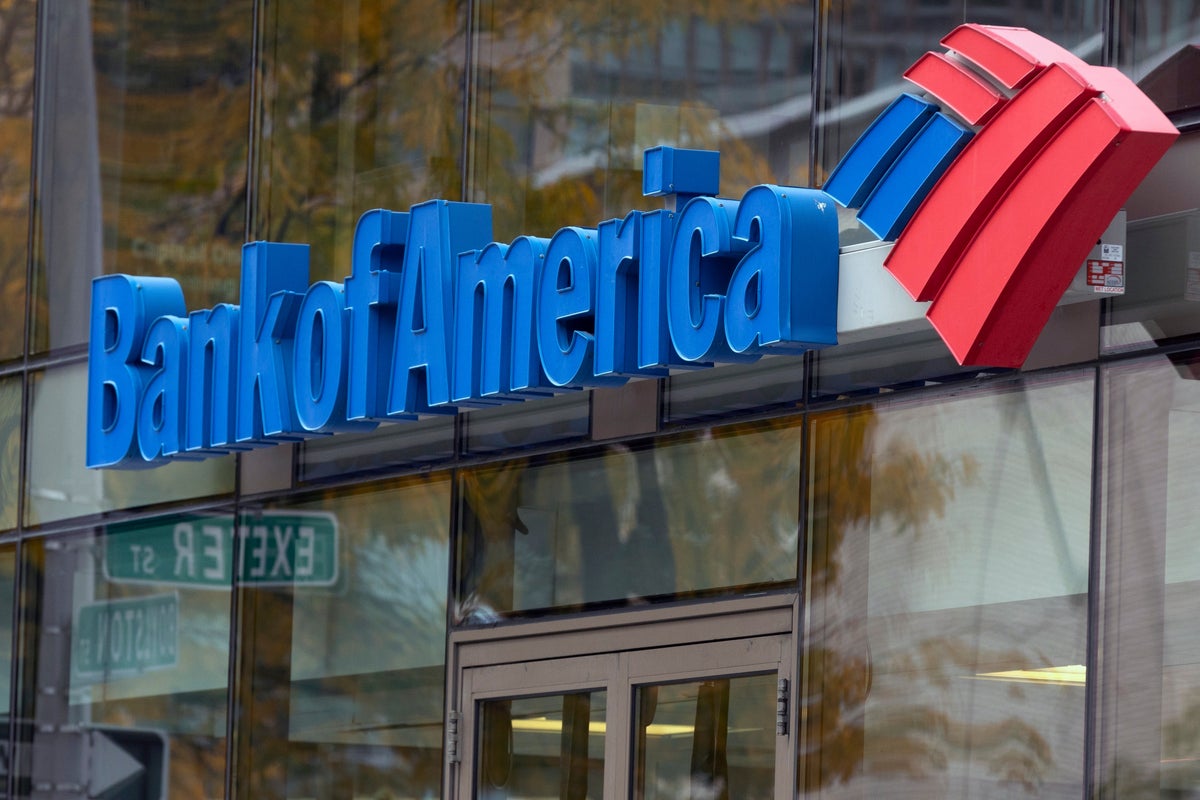
That's exactly what's happening with the Bank of America Epstein settlement.
Lawyers estimate up to 75 women abused by Jeffrey Epstein will benefit from this fund. U.S. District Judge Jed S. Rakoff gave the deal preliminary approval, setting a final hearing for August 27. The judge wants a broad list of publications used to notify survivors so that nobody gets left out. But don't let the big numbers fool you. This isn't a victory for corporate accountability. It's a calculated exit strategy.
The Massive Red Flags Bank of America Ignored
The core of the lawsuit is simple. Bank of America provided the financial plumbing that kept Epstein's operations running.
Let's be clear about how banking works. By law, financial institutions must report suspicious activity. If you suddenly start withdrawing massive amounts of physical cash, the bank flags it. If millions are moving around without clear business purposes, the bank files a Suspicious Activity Report (SAR).
The lawsuit alleges that Bank of America didn't do that. Instead, it ignored a mountain of red flags.
Take the case of the lead plaintiff, Jane Doe. She was living in Russia in 2011 when she met Epstein. She alleged that she was coerced into a cult-like existence, controlled emotionally and financially. Epstein used a Bank of America account to pay her rent and fake salary. He used that financial control to hold her immigration status over her head. She claimed he abused her over 100 times.
Where was the bank while this was happening? They were collecting fees and looking the other way.
Then there is the Leon Black connection. Black, the billionaire co-founder of Apollo Global Management, isn't a defendant. But he is a massive part of the story. The lawsuit accused the bank of ignoring $170 million that Black paid to Epstein from a Bank of America account. The transfers were labeled as tax and estate planning advice.
Does a bank honestly believe a convicted sex offender is providing $170 million worth of tax advice?
Oregon Senator Ron Wyden didn't buy it. He stated that his staff's investigation showed the bank willfully looked the other way as massive wire transfers, sometimes in chunks of $20 million, moved through their system.
How This Compares to JPMorgan and Deutsche Bank
Bank of America is just the latest domino to fall in the financial sector's reckoning over Epstein. They aren't even the biggest spender.
Look at the scoreboard of shame.
- JPMorgan Chase settled for $290 million in 2023.
- Deutsche Bank paid $75 million that same year.
- Bank of America is now paying $72.5 million.
Notice a pattern? None of these banks admitted to doing anything wrong.
A Bank of America spokesperson stated that the resolution allows them to put the matter behind them and provide closure for the plaintiffs. They stood by their claim that they did not facilitate crimes.
That's classic corporate doublespeak. You don't pay $72.5 million to provide closure. You pay it because the alternative is a trial where executives get grilled under oath and internal emails get plastered all over the internet.
In fact, Leon Black was scheduled for a deposition in this case. His lawyers managed to get it postponed because the parties were close to settling. Now that the deal is on the table, that deposition isn't happening. The public won't get to hear what was said behind closed doors. The bank successfully bought its silence.
The Financial Reality for the Survivors
Let's talk about where that $72.5 million actually goes. It's not all going to the survivors.
Lawyers who took on the bank are seeking up to 30 percent of the fund for legal fees. That is roughly $21.8 million.
The remaining money will be split among the eligible claimants. Attorney David Boies estimated that between 60 and 75 women will make valid claims. If you do the rough math, each woman might receive around $675,000 to $845,000 before taxes and other expenses, depending on how the court structures the payouts.
Judge Rakoff admitted that these victims can never be fully compensated for the monstrous acts they endured. He's right. No amount of money erases trauma.
But for many of these women, this money is desperately needed. Their attorneys pointed out that many suffered harm years ago and need financial relief now. Fighting a multi-year court battle against a bank with infinite legal resources is exhausting. A guaranteed settlement fund is often the only realistic path to getting some form of justice while they are still alive to see it.
The Next Moves for Accountability
If you are following this case or similar financial fraud and human trafficking lawsuits, you need to understand that the legal battle doesn't stop at the settlement.
The court is now focused on finding every eligible survivor. Judge Rakoff ordered lawyers to submit a list of publications that will run notices about the settlement fund.
If you are tracking the broader impact of the Epstein fallout on Wall Street, watch the regulatory space. Congress and the Senate Finance Committee are still digging into how these banks failed so catastrophically to follow anti-money laundering laws. The real fix isn't just making banks pay settlements. It's forcing them to actually use the monitoring systems they already have to stop criminal networks in real time.
For now, the focus is on August 27. That's when Judge Rakoff will decide on final approval for the Bank of America deal. Until then, the bank gets to keep its secrets, and up to 75 women wait to see if the system will finally pay up.