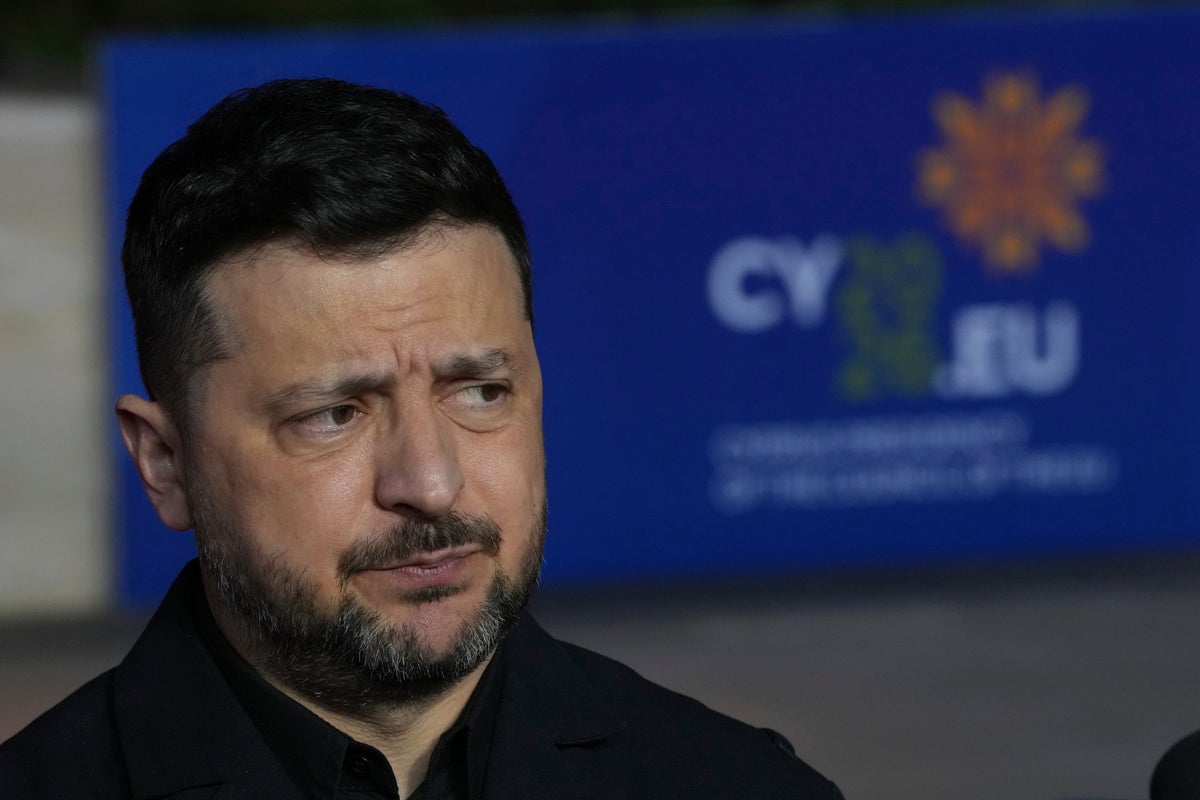
Vladimir Putin wants a break. Specifically, he wants a ceasefire on May 9, the day Russia celebrates its victory over Nazi Germany. He floated the idea during a phone call with U.S. President Donald Trump, and now the world is waiting to see if Ukraine bites. Volodymyr Zelenskyy isn't jumping at the chance. Instead, he’s asking for receipts. He’s instructed his team to get the actual details from the Americans because, frankly, a "ceasefire" in this war usually means whatever the Kremlin wants it to mean at that exact second.
The timing is far from a coincidence. Russia recently announced it’s stripping the heavy military hardware out of its Victory Day parade this year. They claim it’s a precaution against Ukrainian strikes. If you’re Putin, you don’t want a Ukrainian drone ruining your big televised moment in Red Square. A localized, short-term truce provides the perfect security blanket for a parade that’s supposed to show strength but currently looks a bit vulnerable. For a different perspective, see: this related article.
The difference between a truce and a photo op
Zelenskyy’s response on Telegram was blunt. He wants to know if this is about "a few hours of security for a parade in Moscow" or something that actually stops the killing. You can’t blame him for the suspicion. We’ve seen this movie before. During Eastern Orthodox Easter, truces were discussed and promptly ignored on the ground. For Kyiv, a ceasefire that only lasts as long as a marching band's performance isn't a peace overture. It's a logistical favor for the enemy.
Ukraine is countering with a demand for a long-term, guaranteed ceasefire. They’re tired of the "haggling over a few square kilometers" that U.S. Vice President JD Vance recently criticized. For the people in Odesa and Dnipro, where drone strikes just killed and wounded dozens of civilians, a 24-hour pause doesn't change the math of the war. It just gives the Russian crews a chance to reload. Similar reporting on this trend has been published by Associated Press.
Why the fortress belt matters more than May 9
While the headlines focus on the holiday, the real friction is happening in the Donetsk province. Russia is demanding that Ukraine hand over the remaining 20% of the "fortress belt"—cities that have been defended for over a decade. Putin wants this land without a fight as a condition for any real peace. Zelenskyy knows that giving up that high ground is a non-starter. If he retreats from those fortifications, he’s giving Russia a springboard to push into central Ukraine.
The "land-for-peace" deals being whispered about in Washington ignore the tactical reality on the ground. If Ukraine moves out of its current positions in Donetsk, it has to build new ones on flat, less defensible terrain. It's a military nightmare. That’s why these short-term ceasefire proposals feel like a distraction from the fact that Moscow still hasn't moved an inch on its core territorial demands.
Reading between the lines of the Trump call
The fact that Putin went to Trump with this proposal rather than directly to Kyiv says everything about the current diplomatic circuit. Moscow is betting that U.S. pressure will eventually force Zelenskyy to the table. With the U.S. currently distracted by conflicts in the Middle East and energy market volatility, the Kremlin sees an opening to frame Ukraine as the "difficult" party.
Zelenskyy is playing a careful hand here. By asking for details through the U.S. team, he’s staying in the loop without committing to a trap. He’s also making it clear that Ukraine won't be bullied into a "parade truce" while its cities are being hit. Just hours after the ceasefire talk surfaced, Russian drones were hitting residential buildings and kindergartens in Odesa. That doesn't exactly scream "peaceful intentions."
What happens next
Don't expect a grand peace treaty by next week. If a ceasefire does happen on May 9, it’ll likely be a fragile, unofficial pause that neither side fully trusts. Ukraine will probably keep its long-range drones fueled and ready, just in case.
If you’re watching this play out, keep your eye on two things. First, check if the U.S. releases specific terms that include international monitors—without them, a ceasefire is just a suggestion. Second, watch the fortress belt in Donetsk. Any movement there is a much bigger signal than whatever happens during a parade in Moscow. For now, Zelenskyy is right to keep his guard up. You don't agree to a timeout while the other guy is still swinging.