The coffee in the basement of the Brussels Justus Lipsius building tastes like wet cardboard, but diplomats drink it anyway. It keeps them awake during the grueling, sixteen-hour shifts where international treaties are hammered out line by line. For decades, these rooms operated under a quiet, unspoken rule. When the American delegation shook your hand and gave their word, it was as solid as the concrete foundations beneath them.
Not anymore.
Lately, a cold draft has blown through these corridors. It has nothing to do with the European winter and everything to do with a creeping realization that the world’s most powerful superpower is changing its mind too often.
Step away from the policy briefs and look at a map. For generations, the United States functioned as the anchor of the international order. It was a messy, imperfect arrangement, frequently marred by missteps and overreach. Yet, the underlying assumption remained intact: Washington was predictable. If a treaty was signed, it would be honored. If an alliance was forged, it would hold.
Now, international polling data confirms what diplomats have whispered over lukewarm coffee for years. Trust in American leadership, particularly under the shadow of a potential or past Trump administration, is not just slipping. It is evaporating.
To understand why this matters, we have to look past the talking heads on cable news and examine how trust actually functions in the real world.
The Currency of the Unwritten Word
Imagine a small electronics manufacturing firm in Seoul, South Korea. Let us call the owner Mr. Park, a hypothetical composite of the thousands of business leaders who keep the global supply chain moving. Mr. Park does not stay up late watching American cable networks. He does, however, look at his balance sheets. His entire business model relies on the assumption that shipping lanes in the South China Sea will remain open, protected by the security umbrella the United States guaranteed decades ago.
When a new poll drops showing that international confidence in the American president has plummeted to historic lows across traditional allies like Germany, Japan, and South Korea, Mr. Park feels it in his chest.
To him, those percentage points are not abstract numbers. They represent a tangible risk. If the American electorate can pivot from global engagement to fierce isolationism every four years, how can any foreign government make long-term plans? If Washington decides to unilaterally rip up trade agreements or threaten to abandon security pacts, the foundations of Mr. Park's business begin to wobble. He stops hiring. He delays expanding his factory. He starts looking for alternative partners who might be more predictable, even if they are less democratic.
This is how global mistrust manifests. It is a slow, quiet freezing of human initiative.
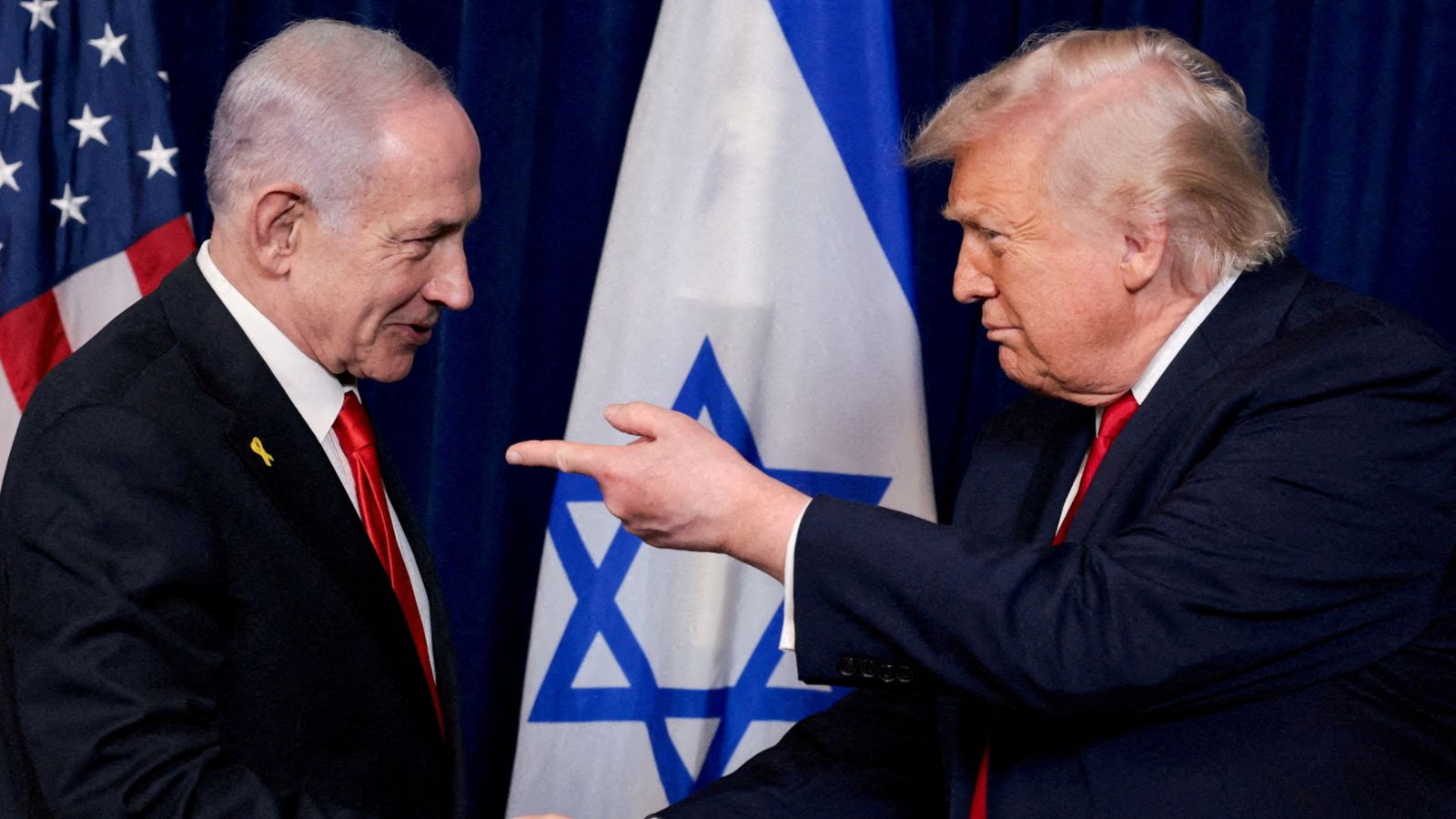
The data behind this shift is stark. Comprehensive global surveys reveal that large majorities in traditional allied nations express little to no confidence in Donald Trump's ability to handle world affairs. When he speaks of "America First," foreign publics do not hear a patriotic rallying cry. They hear a declaration that their own security, their own economic stability, and their own partnerships with America are disposable.
But the real problem lies elsewhere. The erosion does not stop with a single political figure. It is bleeding into how the world views America as a whole.
The Cracks in the Credibility Shield
There was a time when foreign nations separated their disapproval of a specific American president from their faith in the American system itself. They viewed political shifts as temporary swings of a pendulum.
That distinction is dissolving.
Consider what happens next when trust breaks down completely. When the Pew Research Center polled tens of thousands of people across dozens of countries, they found a worrying trend: the decline in confidence in the American president frequently drags down the overall image of the United States. The system itself is now seen as volatile.
Let us use a metaphor. Trust is a massive, ancient oak tree. It takes centuries to grow deep roots, but only a few minutes with a chainsaw to bring it down. Every time a major international agreement—like the Paris Climate Accord or the Iran Nuclear Deal—is signed by one administration and casually discarded by the next, another notch is cut into the trunk of that tree.
Foreign leaders are human beings. They have voters to answer to, economies to manage, and histories to remember. When they see the United States oscillating wildly between international cooperation and aggressive transactionalism, they adapt. They stop relying on the American word.
This shift has profound consequences for the average citizen, even those living comfortably in the American heartland. When America loses its moral authority and its reputation as a reliable partner, it loses its ability to lead on global challenges. Whether the issue is combating transnational cybercrime, regulating artificial intelligence, or managing the economic fallout of a global pandemic, Washington can no longer simply snap its fingers and expect the world to follow.
Instead, America faces a skepticism that hardens into resistance.
The Quiet Realignment
While Washington debates domestic politics, the rest of the world is not sitting still. They are actively hedging their bets.
We see this in Europe, where leaders talk openly about "strategic autonomy." This is polite diplomatic shorthand for a grim reality: we can no longer trust the Americans to have our backs, so we must learn to defend ourselves alone. We see it in Asia, where nations are quietly strengthening ties with each other, creating a web of security arrangements that bypass Washington entirely.
The tragedy of this loss of trust is that it is incredibly difficult to buy back. You cannot rebuild a broken reputation with a larger military budget or a flashier diplomatic tour. Reputation is built on consistency. It is forged in the moments when keeping a promise is inconvenient, expensive, or politically difficult, yet you keep it anyway because your honor depends on it.
When that honor is treated as a bargaining chip to be traded away for short-term domestic political points, the world notices. They watch the debates. They read the tweets. They look at the polling data and they make their calculations.
The numbers are clear, but the human reality behind them is clearer still. The world is becoming a lonelier, more dangerous place for an America that decides it wants to stand alone. Allies are not accessories to be worn when fashionable and discarded when the mood changes. They are the protective barrier that keeps a nation safe in an unpredictable world.
The cardboard-tasting coffee in Brussels continues to brew. The diplomats continue to meet. But the chairs at the head of the table are beginning to look remarkably empty, no matter who happens to be sitting in them.