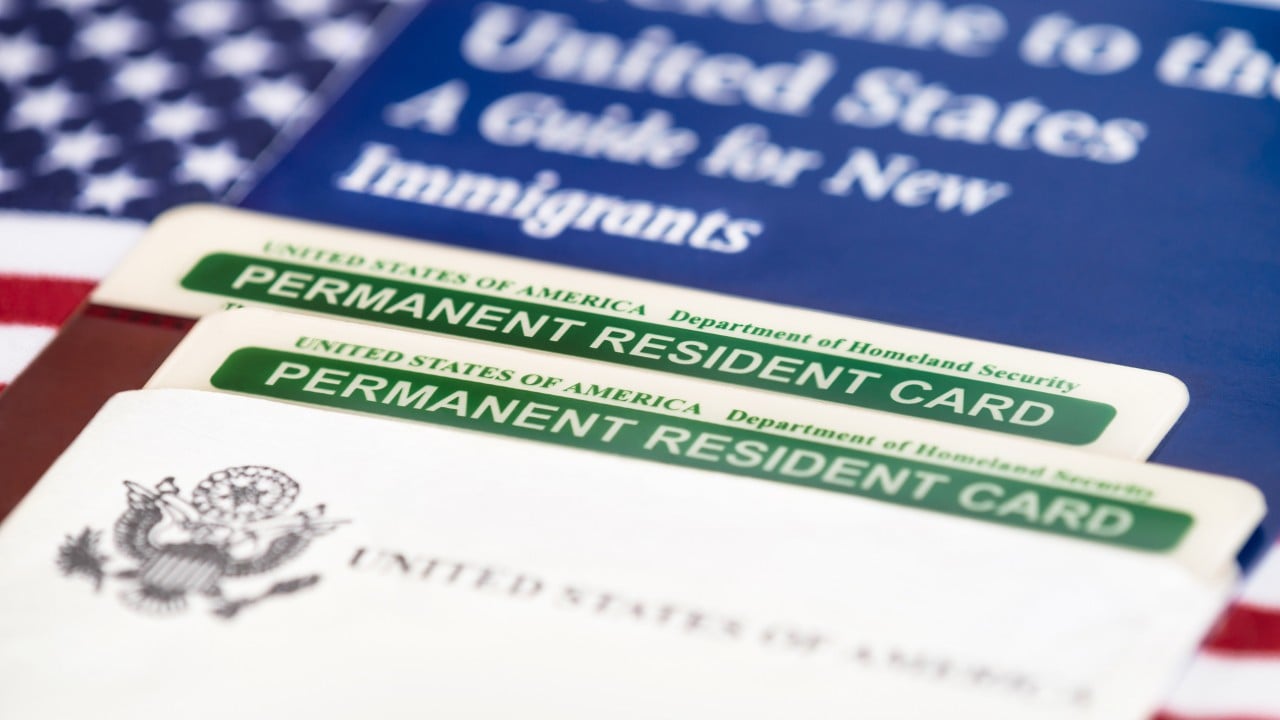
You've lived here, paid taxes, built a career, or started a family. Then, a single internal memo turns your entire reality upside down. That's exactly what happened when U.S. Citizenship and Immigration Services (USCIS) dropped Policy Memorandum PM-602-0199. It fundamentally alters how temporary visa holders get permanent residency, shifting the default path for green cards back to overseas consular processing.
If you're currently on a temporary visa inside the U.S. and planning to file Form I-485 to adjust your status, you're facing a brand-new playbook. The agency declared that adjusting your status from inside the United States is an "extraordinary form of relief" rather than an automatic right. Unless you fit into highly specific exemptions, the government wants you to pack your bags and head back to your home country to finish your green card application through a U.S. consulate.
The backlash was instant and severe. Panic rippled through tech hubs, universities, and immigrant families. Realizing the sheer scale of the disruption, the Department of Homeland Security (DHS) scrambled to issue a clarification just days later. They softened the blow by stating that the "return to home country" rule isn't a mandatory blanket policy but will be evaluated on a case-by-case basis.
Don't let that mild walkback fool you. The underlying message is crystal clear: the easy days of shifting from a temporary visa to a green card without leaving the country are over.
The Discretionary Trap
For decades, the system operated under a reliable assumption. If you entered the country legally on a visa like an F-1 student permit or an H-1B temporary work visa, you could file your adjustment of status paperwork domestically. You stayed in the country, kept your job, and waited for your card to arrive.
This new guidance upends that predictability. USCIS is instructing its officers to lean heavily into their discretionary power. In plain English: meeting the baseline legal checklist isn't enough anymore. Officers are now required to weigh a complex list of positive and negative factors to decide if you deserve the "grace" of an in-country approval.
If an officer decides your case doesn't show "extraordinary circumstances," they can simply deny your Form I-485. Your only remaining option would be consular processing abroad.
What counts as a negative factor under this new framework?
- Any history of unauthorized employment, even a brief stint or a gig-economy side hustle.
- Minor visa overstays, even if it was just for a few weeks due to an administrative mix-up.
- Technical violations of your non-immigrant status.
If you have any of these red flags, the agency is far more likely to push you out of the domestic queue and tell you to take your chances at a consulate abroad.
Why Going Abroad is a High-Stakes Gamble
Immigration lawyers are already advising clients to avoid leaving the country if they can help it. Why? Because consular processing is a completely different beast than dealing with USCIS on American soil.
When you apply for an immigrant visa at a U.S. consulate abroad, you're subject to the doctrine of consular non-reviewability. If a consular officer denies your visa application, you have virtually zero legal recourse. You can't appeal the decision to a judge. You can't demand a formal administrative review. The officer's word is final.
Worse, you're at the mercy of massive processing backlogs. Many consulates are facing severe delays. If you leave your U.S. job and your home to attend an interview overseas, you might find yourself stuck there for months or even years waiting for an approval.
The most terrifying risk applies to anyone who has accrued unlawful presence in the United States. If you overstayed your visa and leave the U.S. voluntarily to pursue consular processing, you could instantly trigger a statutory 3-year or 10-year bar on reentry. Leaving the country to fix your paperwork could effectively ban you from returning to your family.
Who Gets Spared and Who Faces Scrutiny
The DHS clarification threw a lifeline to specific groups, but it left plenty of others exposed. The rule creates a clear divide based on perceived economic or national value.
If your green card application presents a clear economic benefit or falls under the "national interest" umbrella, you're in a much safer position. High-skilled workers with approved employer-sponsored petitions, researchers, and individuals with vital technical expertise will likely be allowed to continue their adjustment of status inside the country.
The story changes drastically for other visa categories.
+------------------------------------+------------------------------------+
| Higher Risk Categories             | Lower Risk / Insulated Categories  |
+------------------------------------+------------------------------------+
| F-1 Student Visas                  | Approved National Interest Waivers |
| B-1/B-2 Tourist Visas              | Exceptional Economic Benefit Cases |
| Humanitarian Parolees              | Flawless Dual-Intent Statuses      |
| History of Minor Status Violations | Strong Domestic Family Ties        |
+------------------------------------+------------------------------------+
The government's logic is straightforward: temporary visas like tourist and student permits were designed for short-term stays. The administration argues these visas shouldn't be used as an immediate stepping stone to bypass standard overseas processing lines. They want the State Department to handle the bulk of these cases abroad, theoretically freeing up domestic USCIS resources to tackle backlogs in naturalization and humanitarian visas.
Even those on dual-intent visas like the H-1B or L-1 aren't entirely safe. While these visas legally allow you to intend to immigrate, the new memo explicitly states that simply maintaining lawful status in these categories isn't an automatic pass. You still have to show that you warrant a positive exercise of discretion.
Actionable Steps to Protect Your Status
If you're currently navigating this mess or preparing to file, you can't just send in basic forms and hope for the best. You need to build a bulletproof case that forces an officer to rule in your favor.
First, go beyond the standard paperwork. You need to affirmatively prove your good moral character and deep ties to the United States. Gather letters from community leaders, records of local volunteer work, professional achievements, and evidence of homeownership or long-term leases.
Second, document your family ties obsessively. If your separation from a U.S. citizen spouse or child would cause severe emotional or financial hardship, prove it. Include birth certificates, marriage licenses, medical records, and detailed personal statements outlining what an forced departure would do to your household.
Third, audit your own immigration history before filing anything. Sit down with a qualified attorney to review every single entry, exit, pay stub, and tax return. If you find a gap in your lawful status or a period of unauthorized work, you need a strategy to address it before USCIS flags it as a reason to deny your adjustment. Do not travel outside the United States under any circumstances until an expert confirms it's safe for you to do so.
Legal challenges to this policy memo are moving fast through the courts. Refugee advocacy groups and business coalitions are arguing that the administration is overstepping its bounds by effectively rewriting long-standing practices without congressional approval. Until a federal judge issues an injunction to halt the policy, you have to play by these strict new rules. Protect your record, build your evidence file, and don't take your presence in the U.S. for granted.


