Manipur isn't just suffering through a localized scuffle. It’s a state in the middle of a slow-motion collapse that the rest of India seems content to ignore. If you’re looking for a quick, tidy explanation for the violence that broke out in May 2023 and refuses to die down, you won't find it here. The situation is a messy, violent cocktail of ethnic identity, land rights, and a complete breakdown of trust in the government.
For over three years, the hills and valleys of this northeastern state have turned into a literal war zone. We're talking about a place where neighbors who lived side-by-side for decades now man bunkers with sophisticated weaponry. The central government keeps saying things are "returning to normalcy," but the ground reality tells a different story. You don't have thousands of people living in relief camps for years if things are normal.
The Spark and the Powder Keg
The violence didn't just fall out of the sky. It was triggered by a high court order back in 2023 that suggested the state government consider granting Scheduled Tribe (ST) status to the Meitei community. On the surface, that sounds like a dry administrative debate. In reality, it was a match dropped into a gas-soaked room.
The Meiteis are the majority in Manipur. They mostly live in the Imphal Valley, which accounts for only about 10% of the state's land but holds the bulk of the political power and population. The Kuki and Naga tribes live in the surrounding hills, which cover the remaining 90%. Under current laws, Meiteis can't buy land in the hills, but tribal groups can buy land in the valley.
The Kuki community saw the ST status move as a direct threat. They feared that if the dominant Meiteis got tribal status, they’d start buying up hill land and pushing the Kukis out of their ancestral homes. This fear isn't just about real estate. It’s about survival.
Why the Violence Wont Stop
It’s been years. Why can’t the Indian army or the state police just stop it? The answer is ugly. The state has effectively split into two ethnically cleansed zones.
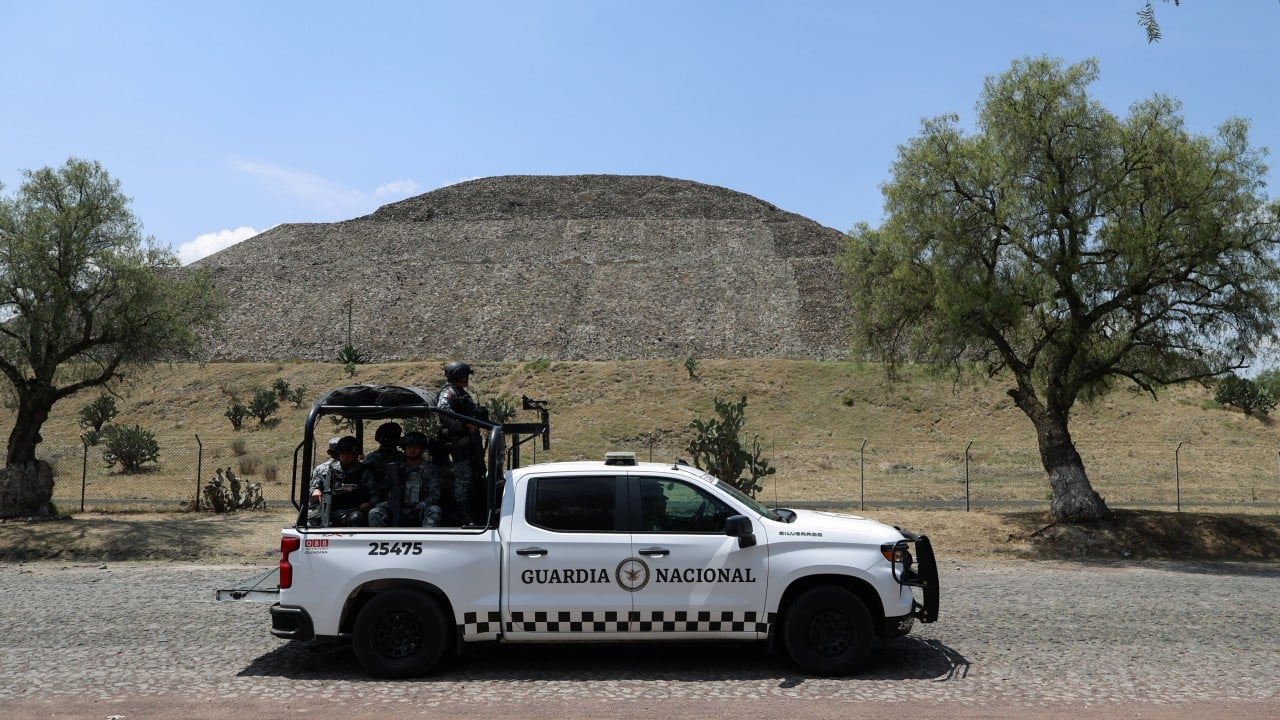
If you're a Meitei, you don't go into the Kuki-dominated hills. If you're a Kuki, entering the Imphal Valley is a death sentence. There is a "buffer zone" patrolled by central security forces, but people find ways around it. The police are often accused of being biased. Kuki groups claim the Manipur state police side with the Meiteis, while Meitei groups argue the central forces are too soft on Kuki militants.
When people don't trust the guys with the badges, they pick up guns themselves. We’ve seen thousands of weapons looted from state armories. We’re not talking about old hunting rifles. We’re talking about mortars, INSAS rifles, and light machine guns. When civilians are this heavily armed, the cycle of retaliation becomes almost impossible to break.
The Shadow of the Drug Trade and Borders
Manipur shares a long, porous border with Myanmar. This isn't just a geographical fact; it's a massive part of the conflict. The state government has frequently blamed "illegal immigrants" and "narco-terrorists" from Myanmar for the unrest.
There's some truth to the complexity of the border, but it's also a convenient political tool. The crackdown on poppy cultivation in the hills—largely Kuki territory—was framed by the government as a war on drugs. The Kuki community, however, saw it as a targeted attack on their livelihoods and a pretext for land eviction.
Meanwhile, the civil war in Myanmar has pushed refugees into Manipur. This adds more fuel to the "insider vs. outsider" rhetoric that politicians love to exploit. You’ve got a mix of genuine security concerns and blatant ethnic profiling that makes any peaceful dialogue feel like a distant dream.
The Human Cost Nobody Talks About
Statistics are cold. They don't capture the smell of a burning village or the look on a child's face in a relief camp. Over 200 people have died, and tens of thousands are displaced.
Think about that. Tens of thousands of Indian citizens are living in temporary shacks within their own country. They can't go home because their homes don't exist anymore, or because their village is now on the "wrong side" of an invisible ethnic line.
Education has evaporated for a generation of students in these areas. Businesses are shuttered. The internet gets cut off every time there's a spike in tension, which kills the local economy and prevents the world from seeing what's actually happening. It’s a total systemic failure.
The Political Silence is Deafening
One of the most infuriating parts of this three-year saga is the lack of accountability. You'd think a state in active civil war would be the top priority for the Prime Minister and the Home Ministry. Instead, we’ve seen a weirdly detached approach.
The Chief Minister, N. Biren Singh, has faced endless calls to resign, yet he remains in power. The central government seems hesitant to impose President’s Rule, which would officially acknowledge that the state machinery has failed. This political stalling sends a message to the victims that their lives are less important than political optics.
What it Takes to Fix This
You can't fix a three-year-old war with a press release or a few more soldiers. The wounds are too deep now.
First, the illegal weapons have to go. As long as every village has a militia, the next "incident" is only a few minutes away. But you can't disarm people if they feel the state won't protect them. It's a catch-22 that requires a neutral, trusted security presence that actually does its job without bias.
Second, there needs to be a serious, honest conversation about land rights and autonomy. The "Separate Administration" demand by the Kuki-Zo community is a non-starter for the Meiteis, who want to keep Manipur unified. Finding a middle ground requires leaders who are willing to lose votes for the sake of peace. Right now, those leaders are nowhere to be found.
Third, the internet bans need to stop. Darkness only helps the perpetrators of violence. Let the world see. Let the people communicate.
If you want to understand why Manipur is still burning, look at the maps. Look at the empty villages. Look at the people in New Delhi who are looking the other way. The fire won't go out until the government stops treating this like a minor border issue and starts treating it like the national emergency it is.
Support local NGOs providing aid to relief camps. Stay informed through independent journalists who are actually on the ground in Imphal and Churachandpur. Don't let the silence win.