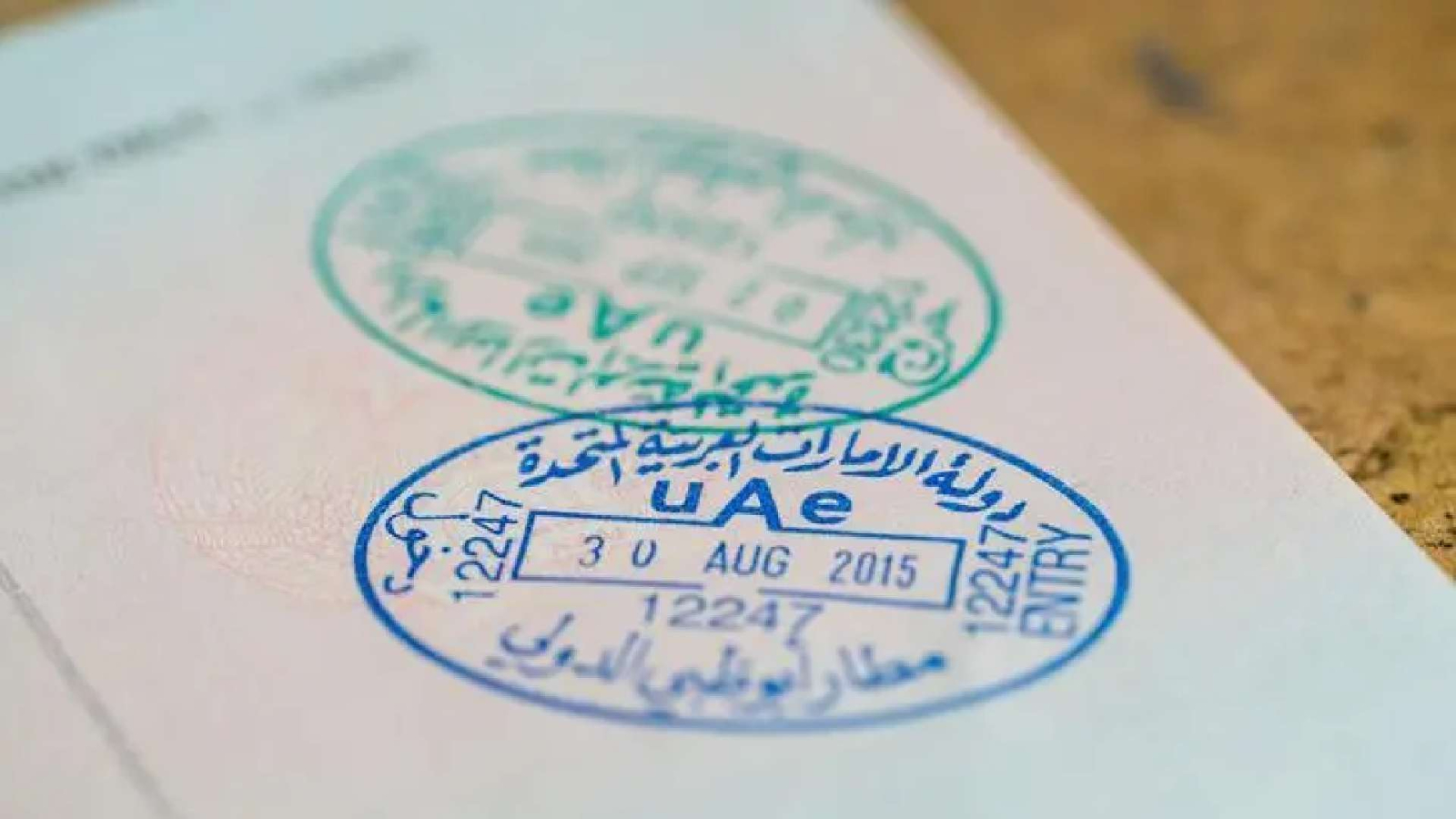
The mainstream media is treating the UAE's July 9 visa grace period deadline like a humanitarian ticking time bomb. Headlines scream about impending overstay fines, frantic scrambles to regularise status, and the plight of visa holders from war-hit regions who have been given a final window to sort out their paperwork.
They are looking at the entire situation backward.
This deadline is not a sudden, punitive hammer falling on vulnerable expats. It is the logical conclusion of a multi-year masterclass in immigration engineering. The UAE is shifting from an economy that absorbs regional overflow to one that strictly enforces economic utility. If you are viewing July 9 as a bureaucratic panic, you are missing the macro shift entirely.
The lazy consensus among regional reporters is that administrative leniency should be infinite. It shouldn't. By setting a hard stop, the federal authority is drawing a line in the sand between those who have integrated into the economic fabric of the Emirates and those who are treating the country as a permanent, unregulated safe harbor.
Let’s dismantle the panic and look at the mechanics of what is actually happening.
The Myth of the Surprise Deadline
The most irritating aspect of the current narrative is the implication that this deadline appeared out of nowhere. I have spent fifteen years managing corporate relocation and labor compliance across the Gulf Cooperation Council (GCC). If there is one absolute truth in regional immigration, it is this: the UAE government does not operate on whims.
Ample warning preceded this announcement. The grace periods extended to citizens of specific conflict zones were always explicitly designated as temporary relief measures. They were emergency stopgaps, not permanent residency pathways.
When the Federal Authority for Identity, Citizenship, Customs and Port Security (ICP) sets a date like July 9, it is the end of a long runway, not a cliff edge.
To complain about a lack of time is to reveal a fundamental misunderstanding of how the state manages its demographic balance. The UAE population is roughly 90% expatriate. No sovereign nation can maintain infrastructure, national security, or economic stability when a segment of that population exists indefinitely outside the formal tax, insurance, and labor registries. Regularisation is not a punishment; it is the entry fee for legal protections.
Dismantling the Overstay Scare Tactics
The financial penalties for overstaying a visa in the UAE are uniform and automated. Mainstream articles love to calculate these fines to generate outrage clicks, painting a picture of bankrupt families trapped at the airport.
Let’s look at the actual math and the legal frameworks established by Federal Decree-Law No. 29 of 2021 on Entry and Residence of Foreigners.
The standardized overstay fine is 50 AED ($13.60) per day for all visa types, whether tourist, resident, or employment. If a visa holder misses the July 9 deadline, the system triggers this daily accumulation automatically.
But here is the nuance the clickbait completely ignores: the UAE has a highly structured system for fine mitigation and waiver applications.
Imagine a scenario where an individual has legitimate, documented medical or financial impediments that prevented status adjustment before the deadline. The ICP portal allows for an administrative review process. Through the smart services platform, individuals can submit requests for fine reductions or complete waivers, provided they have clear evidence of force majeure.
The narrative that July 9 is a financial death sentence is structurally false. The system is designed to penalize non-compliance, not genuine helplessness. But it requires proactivity. The state expects individuals to engage with the system, not hide from it until the police check their IDs.
The Brutal Truth About Economic Utility
Here is the perspective that makes people uncomfortable: the UAE is a premium jurisdiction. It is no longer a developing market hungry for raw population numbers. It is actively curating its resident base to match its economic ambitions.
If an individual has been on a temporary or lapsed visa for months, or even years, and cannot transition to a legal framework by July 9, they face a harsh reality. They have not secured stable employment, they have not established a viable business, and they do not qualify for freelance or investment visas.
In a pure capitalist system like the Emirates, an inability to formalize your status means you are operating in the informal shadow economy. That is exactly what the state is eliminating.
The informal economy drives down wages, evades corporate regulatory frameworks, and creates security vulnerabilities. By forcing a hard regularisation deadline, the UAE is conducting a routine audit of its labor capital.
- The compliant survive: Those who find employment or establish legal entities transition smoothly to long-term residency.
- The non-compliant exit: Those who cannot meet the basic thresholds of the legal frameworks are filtered out.
This is not a humanitarian crisis; it is a structural optimization of human resources.
Why the Current Advice Is Entirely Wrong
If you open any generic news portal right now, the advice given to affected visa holders is painfully unhelpful. They tell people to "visit an typing center" or "hope for an extension." This is terrible advice that actively harms people.
Hoping for an extension is a strategy based on delusion. The UAE has spent the last five years streamlining its digital governance through the UAE PASS system and centralizing immigration under the ICP. The goal is to eliminate human friction and discretionary delays. A date set by the federal authorities is backed by system logic; the computers will flip the switch on July 9 whether you are ready or not.
Instead of passive waiting, the path forward requires utilizing the specific legal avenues the UAE has intentionally created for this exact type of transition.
The Freelance and Green Visa Pivot
The competitor articles treat employment visas as the only option. They assume you must find a traditional corporate master to sponsor you by July 9 or get out. This is outdated thinking that ignores the massive visa overhauls of 2022.
The UAE introduced Green Visas and normalized freelance permits specifically to decouple residency from corporate employment. A Green Visa allows for self-sponsorship for five years without requiring a local employer. It requires a bachelor's degree and a minimum salary or self-employment income of 15,000 AED per month. For those who don't meet that threshold, local free zones offer freelance permits and residence visas for a fraction of the cost of a traditional business setup.
If someone is skilled enough to survive in the UAE marketplace, they do not need to wait for a corporate job offer before July 9. They can buy their own autonomy through a freelance license. If they cannot afford the baseline cost of a freelance setup, they lack the capital to survive in one of the most expensive regions in the world anyway.
The Graceful Exit Strategy
There is a massive taboo around leaving the country, as if deportation or voluntary exit is the ultimate failure. It isn't. Sometimes, a graceful exit is the most financially sound decision an individual can make.
Staying past July 9 means accumulating debt to the state. Once overstay fines reach a certain threshold, the system triggers legal blocks. This prevents the individual from obtaining a labor permit in the future, freezes their bank accounts, and can lead to immigration bans that cover the entire GCC block.
By exiting before the deadline, an individual keeps their record clean. They avoid absconding reports, clear their name from the system, and preserve their ability to return legally when they have secured proper corporate backing or capital. The panic-mongers tell people to stay and fight the system; realists know that leaving cleanly is often the only way to ensure you can ever come back.
The Operational Risk of Leniency
To understand why the state will not back down on the July 9 date, you have to look at the regional security dynamics. The UAE sits in a volatile geographic neighborhood. Its stability is its primary economic asset.
When you allow thousands of individuals to live outside the residency system indefinitely under the guise of humanitarian leniency, you create a massive data blind spot. The government cannot track where people live, what they earn, or who is employing them.
The corporate tax system, which requires accurate payroll and employment data through the Wages Protection System (WPS), cannot function effectively when a parallel, unregulated workforce exists. WPS requires companies to pay employees through registered banks or financial institutions. If a visa holder is working illegally because their status is unregularised, their employer is violating federal labor laws, evading corporate oversight, and contributing to market distortion.
The July 9 deadline is a synchronization mechanism. It aligns the physical reality of who is inside the borders with the digital database of the state's financial and security infrastructure.
Stop Romanticizing the Outdated Expat Model
The narrative surrounding the July 9 visa deadline is infected with nostalgia for an older version of the UAE—a place where visa rules were fluid, extensions were granted via personal connections, and overstayers could live in the margins for years before doing a quick border run to reset the clock.
That UAE is dead. It has been replaced by a hyper-efficient, data-driven state that prioritizes compliance, high-net-worth migration, and institutional transparency.
The people who are panicking about July 9 are trying to apply old rules to a new system. The individuals who will thrive are those who recognize the deadline for what it is: an ultimatum to professionalize your presence in the Emirates or seek opportunities elsewhere.
If you cannot regularise your status within the generous windows provided, the system is telling you that your economic profile does not align with the current trajectory of the country. It is harsh, it is transactional, and it is exactly why the UAE remains an economic powerhouse while the rest of the region struggles with instability. Stop viewing the deadline as an obstacle. It is simply the cost of doing business in a premium market.


