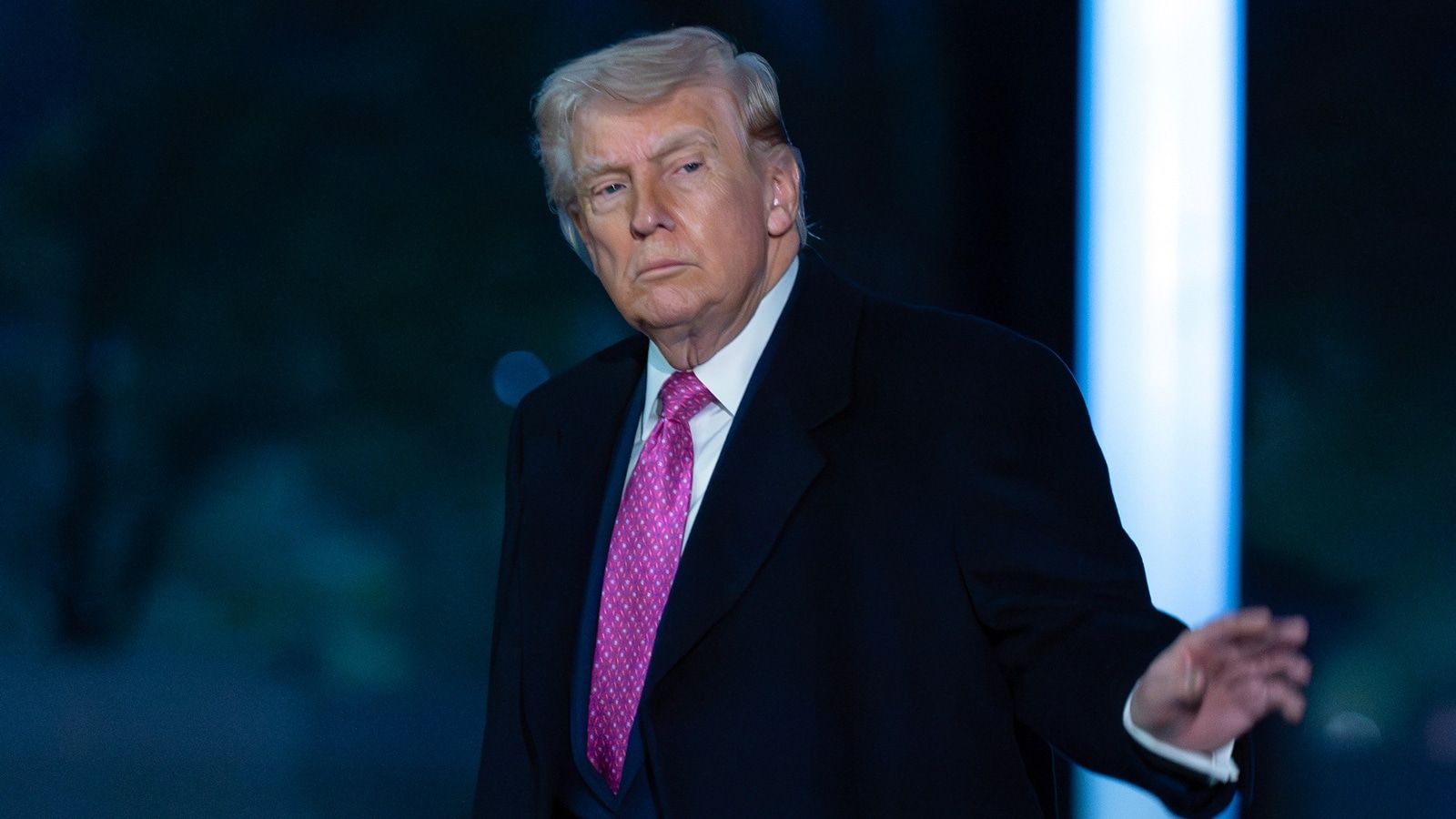
The gloves are officially off in the Persian Gulf. Donald Trump just issued a chilling ultimatum to Tehran: open the Strait of Hormuz immediately or watch your entire energy grid vanish. He’s not talking about surgical strikes on missile silos anymore. He’s talking about "completely obliterating" every major power plant, oil well, and the crown jewel of their export economy, Kharg Island.
It’s a massive escalation in a war that’s already seen the death of a Supreme Leader and global oil prices screaming toward record highs. If you think this is just typical campaign-style bluster, you haven't been paying attention to the March 2026 reality. We’re 31 days into a conflict that has paralyzed one-fifth of the world’s oil supply. Trump is done waiting.
The ultimatum that could freeze Iran
On Monday morning, Trump took to Truth Social to drop the hammer. He claimed "great progress" is being made with what he calls a "more reasonable regime" in Iran—though, predictably, Tehran is denying any direct talks. But the carrot came with a very heavy stick.
Trump’s message was blunt: if a deal isn't reached "shortly" and the Strait of Hormuz doesn't move to "Open for Business" status, the U.S. will end its "lovely stay" in Iran by wiping out the country’s infrastructure. This includes:
- Electric Generating Plants: Targeted to plunge the nation into total darkness.
- Oil Wells and Kharg Island: The primary hub that handles roughly 90% of Iran's crude exports.
- Desalination Plants: This is the most controversial part, as it directly threatens the drinking water supply for millions of civilians.
Why Kharg Island is the ultimate target
You can’t understand the leverage here without looking at Kharg Island. It’s a small patch of land in the Persian Gulf, but it’s the heartbeat of the Iranian economy. Most people don't realize that while Iran has plenty of oil in the ground, they only have a few ways to get it onto ships. Kharg is the bottleneck.
If the U.S. "obliterates" Kharg, Iran doesn't just lose a battle; they lose their bank account for a decade. Trump has been obsessed with this island since the 1980s. In recent interviews, he’s even mused about "taking the oil"—suggesting a ground invasion and occupation of the island rather than just a bombing run. Taking the island would require boots on the ground, a move that Iran has warned would "shatter all restraint."
The $4 gallon and the global stakes
This isn't just about two countries fighting. It’s about your wallet. Since the war kicked off on February 28, the price of Brent crude has jumped from $72 to $115 per barrel. In the U.S., the national average for gas is already hitting $3.99.
If Trump follows through and wipes out Iranian energy, expect those numbers to look like a bargain. Iran has already threatened to retaliate by hitting power plants and desalination facilities in neighboring Gulf states like the UAE and Saudi Arabia. We’re looking at a potential regional blackout that could tank the global economy.
Retribution for the 47 year reign of terror
Trump isn't framing this as a simple trade dispute over shipping lanes. He’s calling it "retribution." He specifically cited the "many soldiers, and others, that Iran has butchered" over the last nearly five decades. By linking these strikes to the 1979 revolution and the long history of U.S.-Iran tension, he’s signaling that he’s looking for a total reset, not just a ceasefire.
It’s a high-stakes gamble. International legal scholars are already sounding the alarm, noting that blowing up power plants and water facilities—civilian infrastructure—is a tough sell under the laws of armed conflict. To avoid war crime labels, the military advantage has to outweigh the civilian harm. But Trump doesn't seem interested in the nuances of international law right now. He wants the Strait open, and he wants it open yesterday.
What happens if the lights go out
If you’re wondering what this looks like on the ground, it’s already started in small doses. Residents near Tehran are reporting overnight blackouts following "nearby strikes" that haven't even hit the main plants yet. Panic is setting in.
Iran’s response has been predictable defiance. Parliament Speaker Mohammad Bagher Qalibaf claims their forces are just waiting for American troops to step foot on the mainland so they can "set them on fire." They’ve also threatened to mine the entire Persian Gulf, which would turn the Strait of Hormuz into a graveyard for tankers.
Your next steps to watch this crisis
Don't expect a slow burn. This is moving fast. Here is what you should be tracking over the next 48 hours:
- The April 6 Deadline: Trump previously mentioned a pause on energy strikes until early April. Watch if he moves that date up based on his "Open for Business" demand.
- Tanker Movements: Keep an eye on maritime tracking data for the Strait. If commercial ships start turning around, the "obliteration" is likely imminent.
- Domestic Gas Prices: If you see your local station jumping 20 cents overnight, the market is pricing in the destruction of Kharg Island.
The U.S. has already deployed more amphibious assault ships and Marines to the region. Whether it’s a bluff to force a deal or the prelude to a total blackout, the "lovely stay" in Iran is about to get a lot more violent.