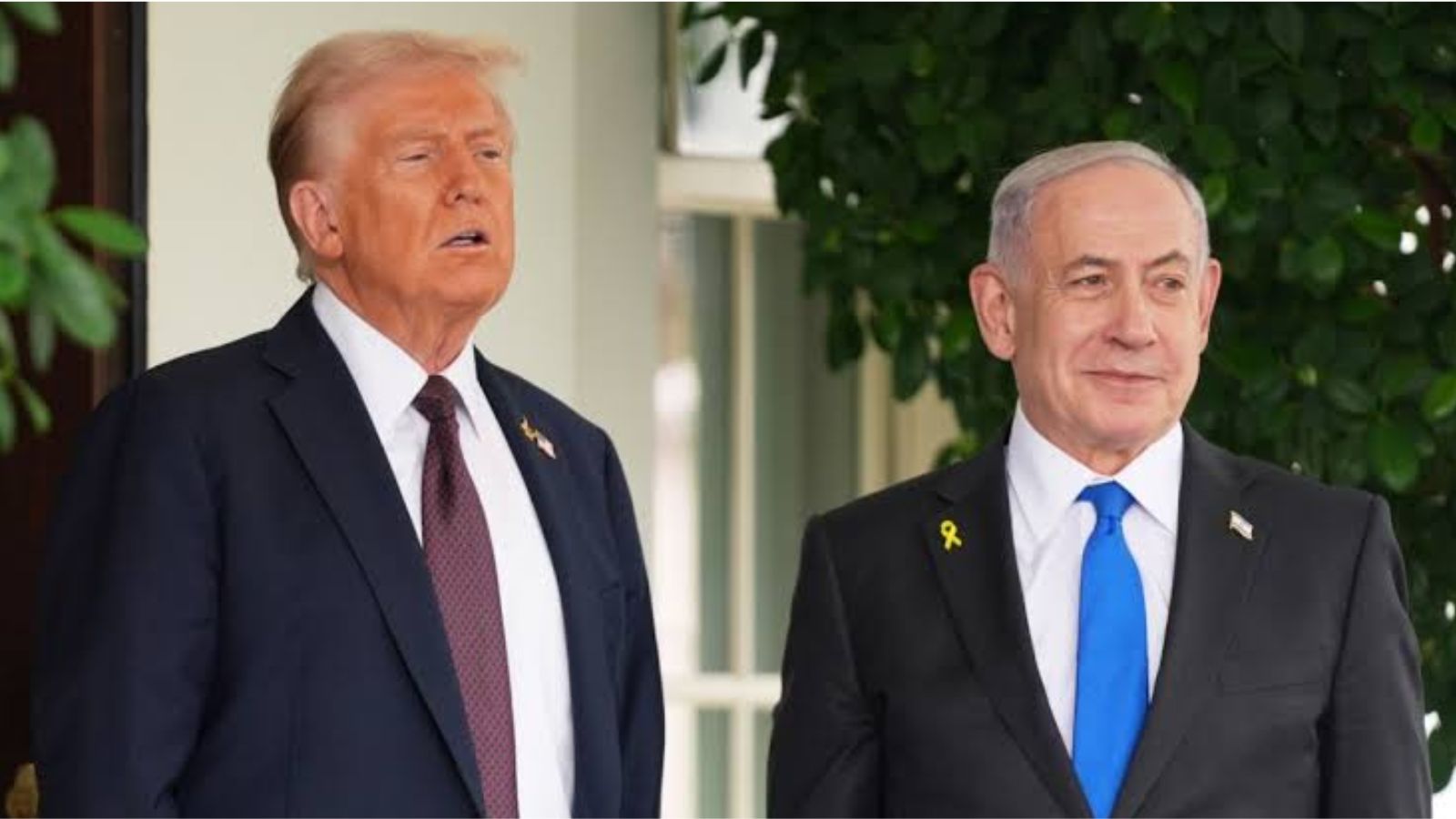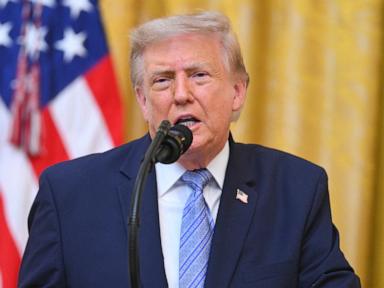
Donald Trump just dropped a massive trove of declassified intelligence documents, claiming they prove the American voting system is wide open to manipulation. In a primetime White House address, he stood before the cameras and insisted our election infrastructure is "extremely exposed to attack". He pointed directly to newly unsealed CIA and National Intelligence Council files to back up his claims.
There's just one massive problem. The actual text in those documents says the exact opposite of what he claims.
If you read past the political spin and look at the actual intelligence papers, the national security agencies layout a very clear, reassuring reality. Yes, foreign adversaries want to disrupt our elections. But actually changing votes or rigging the final tally? The government's own experts say doing that on a scale that matters is nearly impossible.
The National Intelligence Council Memo Tells a Very Different Story
During his speech, Trump leaned heavily on a January 2020 National Intelligence Council memorandum titled "Vulnerabilities in US 2020 Election Infrastructure". He used it to highlight that countries like Russia, China, and Iran have the technical capability to target our systems.
That part is true. They do have the capability, and they try constantly. But Trump conveniently skipped the very next paragraphs of the memo.
The intelligence analysts explicitly wrote that systems used to tabulate votes and display results would be "difficult to manipulate on a wide enough scale to compromise election results". Why? Because our voting system isn't one giant, centralized computer network. It's a hyper-fragmented patchwork of thousands of local jurisdictions.
The memo points out that the voting machines at your local polling place are completely disconnected from the internet and disconnected from each other. To hack them, an attacker usually needs physical proximity. You can't just sit in a basement in St. Petersburg and change millions of votes with a single keystroke. The intelligence community concluded that any widespread attempt to alter the count would be caught immediately by post-election audits and paper trails.
The Venezuela Connection That Doesn't Exist Here
Another major talking point in the address was a declassified CIA report about Venezuela. Trump detailed a plot by the Nicolás Maduro regime to digitally alter vote totals in a way that bypassed traditional audits. He offered this as terrifying proof of what could happen on American soil.
It sounds scary until you check who made those Venezuelan voting systems. The intelligence focuses on a company called Smartmatic.
Here's the catch. Smartmatic technology is practically non-existent in U.S. elections. Outside of Los Angeles County, no major jurisdiction in the country uses it. On top of that, Smartmatic actually blew the whistle on the Venezuelan government back in 2017 for reporting fake turnout numbers, and they pulled out of the country entirely. Trying to scare American voters by pointing to a completely different system used in a South American dictatorship a decade ago is a massive stretch.
Why Hacking American Voting Machines is a Logistics Nightmare
If you talk to local election officials, they'll tell you that the sheer logistics of American voting are its best defense. We don't have a national election system. We have thousands of independent, localized elections run by individual counties and towns, each using different hardware, software, and security protocols.
David Becker, the executive director of the Center for Election Innovation & Research, breaks down the security process simply. Before a voting machine ever sees a ballot, it's kept under strict lock and key. It undergoes public "logic and accuracy" testing to prove the software is working perfectly and hasn't been tampered with.
Most importantly, we don't rely blindly on the machines. The vast majority of Americans now cast their votes using paper ballots or electronic systems that print a verifiable paper receipt. If a machine behaves weirdly, we have physical evidence to fall back on.
Look at Georgia in 2020. The state ran three separate counts of every single general election ballot—including a full, painstaking hand recount of five million paper sheets. The result didn't change because the paper didn't lie.
The Real Vulnerability is Your Data, Not Your Vote
To be totally fair, the declassified documents do reveal some genuine security headaches, but they aren't the ones Trump focused on. The real target for foreign hackers isn't the voting machine; it's the voter registration database.
The declassified files show that Chinese state-sponsored actors managed to acquire roughly 220 million U.S. voter files over a period of years. That includes names, addresses, phone numbers, and political party affiliations.
That is a massive data breach, but it's important to understand what it actually means. Voter registration lists are mostly public record anyway. Anyone can buy them. When a foreign adversary steals this data, they aren't changing your vote. They're building profiles to target you with highly specific, divisive disinformation campaigns on social media. They want to mess with your head, not your ballot.
Moving Past the Rhetoric
Politicians on both sides love to weaponize intelligence leaks to score quick points. But when you bypass the frantic headlines and read the actual paperwork, the takeaway is clear. Our election infrastructure has vulnerabilities, mostly related to public data and online registration portals. But the core mechanism of American democracy—the actual counting of votes—remains incredibly resilient against foreign interference.
Instead of panicking over sensationalized speeches, the smart move is to look at the facts. Check your local county election website. Learn about their public testing schedules. Volunteer as a poll worker to see the bipartisan lock-and-key security measures with your own eyes. The system works because it's localized, audited, and backed up by paper. Don't let political theater convince you otherwise.