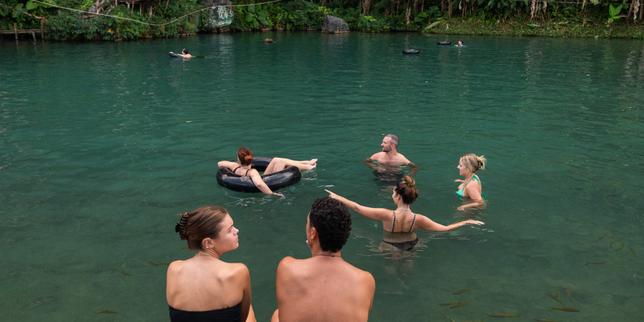
The neon signs of Vang Vieng blur against the dark backdrop of the Laotian karst mountains. Music thumps through the humid night air, a intoxicating mix of bass, laughter, and the clinking of cheap glass. For decades, this small town along the Nam Song River has been a rite of passage for young backpackers chasing freedom on a budget. They come from Melbourne, London, Copenhagen, and Smalltown, USA, drawn by the promise of pristine landscapes and dirt-cheap hospitality.
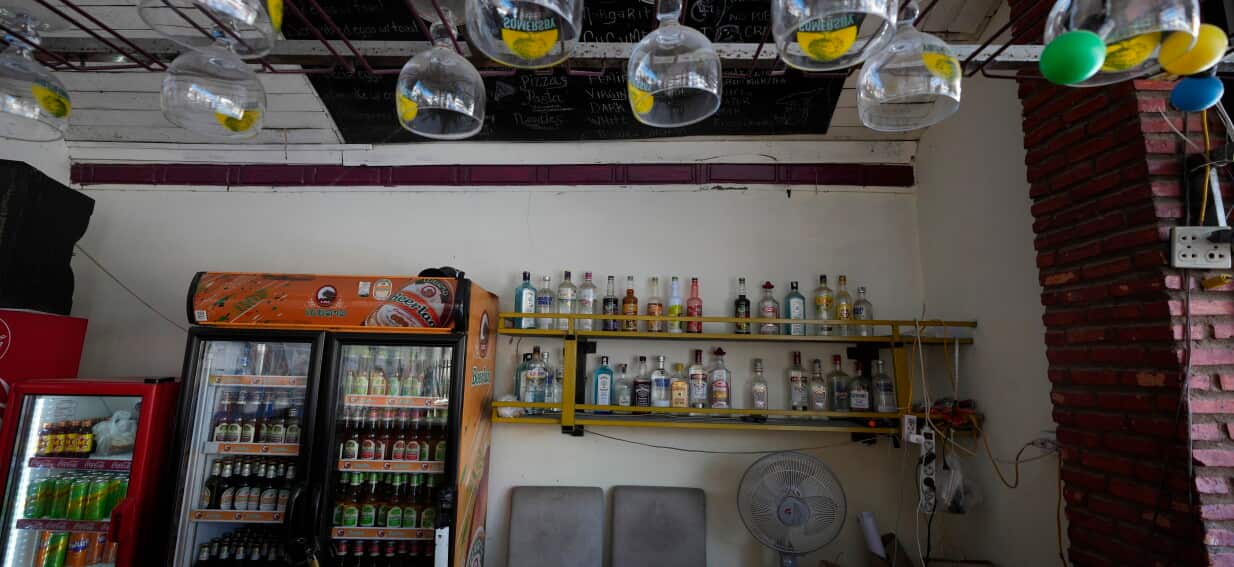
You sit at a crowded wooden bar, the wood sticky with spilled mixers. The bartender smiles, pouring a generous splash of local spirit into a plastic bucket filled with ice and juice. It costs less than a coffee back home. You drink. It tastes like adventure. It tastes like youth. In related updates, read about: Why Every List of the Highest US Mountains Is Geographically Illiterate.
But beneath the tropical fruit flavors hides a phantom. It has no smell. It has no distinct taste. By the time you realize it is there, it is already dismantling your nervous system from the inside out.
In late 2024, this nightmare ceased to be a dark traveler's myth and became a stark, international tragedy. A cluster of young tourists fell violently ill, and six of them never woke up. Yet months later, the official investigations remain shrouded in a frustrating, bureaucratic fog. Authorities find themselves unable or unwilling to definitively trace the exact source of the poison, leaving grieving families with empty hands and unanswered questions. Lonely Planet has analyzed this fascinating issue in extensive detail.
To understand how a paradise turns into a graveyard, you have to look past the official press releases and look at the fragile nature of trust in the global backpacker trail.
The Illusion of the Safe Haven
Consider a young traveler named Chloe. She is twenty-one, spending her gap year exploring Southeast Asia with money she saved working two jobs. She is careful. She checks hostel reviews, uses registered transport, and keeps her passport locked away. When she walks into a popular hostel bar in Laos, her guard drops. The staff are friendly. The other guests are just like her.
This is the psychological trap of the modern tourism hub. We mistake popularity for regulation. We assume that because a venue has thousands of Instagram tags, someone is checking the inventory in the back room.
They are not.
In countries rushing to rebuild their tourism economies after years of stagnation, supply chains are often chaotic webs of informal deals. A bar owner runs low on cheap vodka or gin. A local distributor offers a refill at half the market price. The bottles look identical to the premium brands. The labels are intact. But what sits inside those bottles was brewed in a backyard distillery or cut with industrial chemicals to stretch the profit margins.
When Chloe drinks that cocktail, she is participating in a lethal lottery. The human body can process ethanol—the alcohol found in standard drinks—with relative ease, resulting in nothing worse than a bad morning. But when unscrupulous distillers try to boost the potency of their product cheaply, they introduce methanol.
Methanol is wood alcohol. It is meant for industrial solvents, antifreeze, and racing fuel. It is cheap, abundant, and deadly.
The Chemistry of a Ghost
The true horror of methanol poisoning is its patience.
When you ingest it, nothing feels wrong immediately. You might feel slightly buzzed, perhaps a bit more uncoordinated than usual, but nothing signals that you have swallowed a toxin. The human liver begins its work, attempting to break down the chemical. But whereas ethanol breaks down into relatively harmless components, methanol transforms.
The liver turns methanol into formaldehyde. Then, it turns formaldehyde into formic acid.
This is the turning point. Formic acid attacks the cellular machinery, starving the body's tissues of oxygen. The first targeted victim is often the optic nerve.
Imagine waking up the morning after a night out. Your head throbs. You assume it is a standard hangover. You reach for water, but notice the room looks dim, as if the sun forgot to rise. You blink, but the edges of your vision are fraying into white static. Travelers who survived the 2024 incident described it as a sudden, terrifying snowstorm blinding them in broad daylight.
From the eyes, the acid moves to the kidneys, the lungs, and finally the brain. Organ systems quietly go dark, one by one.
By the time a tourist realizes their hangover is actually a chemical assault, they are often too weak to call for help. In a remote town hours away from advanced medical facilities, the delay is fatal. Local clinics, unaccustomed to diagnosing rare chemical poisonings, frequently misdiagnose the symptoms as severe food poisoning or standard alcohol poisoning, administering intravenous fluids while the formic acid continues its destructive march through the blood.
The Missing Paper Trail
Why, months after multiple international governments demanded answers, has the Laotian investigation stalled? The answer lies in the informal economy that keeps these party towns alive.
Proving product liability requires a clean, documented chain of custody. In a western city, investigators can track a bad batch of food or drink through digital invoices, barcode scans, and licensed distributors. They can freeze the inventory of a grocery chain within hours.
In the back alleys of Southeast Asian nightlife hubs, the paper trail simply does not exist.
Bars buy their stock in cash from independent wholesalers who transport crates on the backs of motorbikes. These wholesalers buy from regional suppliers, who in turn buy from unregulated border distilleries operating far outside the reach of government inspectors. When news broke that tourists were dying in Vang Vieng, panicked bar owners did what anyone terrified of a Laotian prison would do.
They dumped the bottles.
They washed the glasses. They replaced the stock with legitimate brands. By the time forensic teams arrived to test the alcohol, the crime scenes had been thoroughly sanitized. The evidence was flowing down the drains and into the Nam Song River.
The official reports summarize this reality with dry, diplomatic language, noting a lack of conclusive forensic evidence linking specific establishments to the fatalities. To the families of the victims, this reads as an admission of defeat. To the local business owners, it is a cue to breathe a sigh of relief and return to business as usual.
The Weight of the Unseen
We tend to view these tragedies through the lens of statistics or travel advisories. Governments update their websites, warning citizens to be cautious when consuming alcoholic beverages in Laos. Travel forums fill with frantic threads debating which bars are safe and which should be boycotted.
But the real tragedy plays out in quiet living rooms thousands of miles away.
It is a parent staring at a bedroom that remains exactly as their child left it before boarding a flight to Bangkok. It is the realization that a life full of promise was extinguished not by a tragic mountaineering accident or an unpredictable natural disaster, but by a handful of cents saved on a bottle of liquor.
The uncertainty compounds the grief. Without a clear culprit, without a definitive explanation from the local government, there is no closure. There is only a lingering, haunting question mark. Was it the hostel bar? Was it the nightclub down the street? Was it a free shot offered as a welcoming gesture by a smiling local?
This lack of accountability ensures that the cycle will repeat. As long as the financial rewards of selling counterfeit alcohol outweigh the risks of getting caught, the bottles will continue to be refilled. The tourists will keep arriving, oblivious to the hidden tax levied on their cheap nights out.
The sun rises over Vang Vieng, burning away the mist that clings to the limestone cliffs. The bars are quiet now, the streets being swept clean of plastic cups and cigarette butts. Soon, a new bus will arrive, dropping off a fresh group of eager young faces, heavy backpacks slung over their shoulders. They are hungry for stories, thirsty for adventure, and utterly convinced of their own immortality.
They walk past the bars, looking at the colorful chalkboards advertising happy hour specials, ready to trust the first person who smiles and hands them a drink.