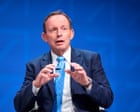
Tony Abbott is back. Seven years after losing his beachside Sydney seat of Warringah to an independent, the former prime minister has secured a direct path straight back into the heart of Australian politics. He will become the next federal president of the Liberal Party. He ran completely unopposed after former foreign minister Alexander Downer pulled out of the race, choosing instead to gun for a vice-president slot.
This isn't just a nostalgic victory lap for an elder statesman. It's a massive structural shift that will fundamentally reshape the conservative side of Australian politics.
If you think the federal presidency is just an administrative desk job about rubber-stamping donation forms and managing state branches, you're dead wrong. In theory, the organizational wing stays arm's length from the parliamentary team. In reality, putting one of the most aggressive political street-fighters of the modern era into the top administrative job changes everything for opposition leader Angus Taylor.
The Power Behind the Curtain
The federal presidency is an unpaid role. It deals with campaigning infrastructure, preselections, and party governance. It usually operates well away from the media spotlight. Outgoing president and former South Australian premier John Olsen kept a low profile. Abbott won't.
Moderate Liberals are already terrified. Factional rivals openly warned that Angus Taylor had "rocks in his head" if he endorsed the move. Why the panic? Because Abbott doesn't do background roles. He doesn't sit quietly in corners.
Moderates fear Abbott will use this platform to act as a de-facto leader, dragging the party hard to the right on highly sensitive policy areas. Look at what's currently dominating the political landscape. Immigration, cultural identity, and economic policy are all fiercely debated. Abbott has spent his post-parliamentary years writing books criticizing modern Australian democracy and giving speeches advocating for strict migration limits. Giving him the keys to the party machinery gives those views an official megaphone.
Helping or Overshadowing Angus Taylor
Abbott spoke at the Sydney Writers' Festival right as the news broke, claiming his sole intent is to help Angus Taylor become the 32nd prime minister of Australia. He noted that if the Liberal party calls, it's his duty to serve.
It sounds noble. But for Taylor, it's an incredibly double-edged sword. On one hand, Taylor's brother, Charlie Taylor, formally nominated Abbott. The alignment between the opposition leader's camp and the former PM is clear. They are factional allies.
On the other hand, Taylor is already facing internal scrutiny over his leadership style and the Coalition's direction. Having a political heavyweight like Abbott looming over your shoulder creates a massive distraction. Every time Abbott gives a speech on immigration, journalists will drag Taylor to the microphone and ask if he agrees with his president. It creates an instant secondary power center.
Liberal Party Structure Under the New Dynamic:
[Parliamentary Wing] Leader: Angus Taylor ----> Sets Public Policy & Strategy
                                  ^
                                  | (Constant Factional Pressure)
                                  v
[Organizational Wing] President: Tony Abbott -> Controls Preselections & Campaign Machinery
The Ground War for the Party's Soul
The real impact of Abbott's presidency won't just play out in TV studios. It will happen in local branch meetings where candidates are chosen for the next federal election.
The Liberal Party has been tearing itself apart over its identity since losing government. One faction believes the only way back to power is reclaiming the moderate, inner-city seats lost to "Teal" independents in wealthy suburbs. The other faction believes the future lies in working-class outer suburbs, leaning heavily into cultural conservatism and populist economic policies to fight off threats from parties like One Nation.
Abbott belongs firmly to the second camp. As president, his influence over preselection rules, candidate vetting, and campaign funding will be immense. If you want to know what the next generation of Liberal politicians will look like, look at Tony Abbott's ideological playbook. Expect fewer centrist lawyers and more hardline cultural conservatives.
The administrative wing also faces immediate, massive fires that need putting out. The Victorian state branch has been bogged down in crippling internal legal battles and dysfunction for months. Factional warfare has turned the organization toxic in key battleground states. Abbott will have to clean up that mess while keeping a fractured federal executive together.
What This Means for the Next Election
This move signals that the Liberal Party is doubling down on conviction politics. Abbott’s historic 2013 landslide victory was built on ruthless, disciplined opposition. He simplified complex arguments into raw, punchy slogans that cut through to everyday voters.
Labor will absolutely weaponize this. You can already see the attack ads being drafted. They will paint the Coalition as a regressive throwback, tying Angus Taylor directly to the most controversial aspects of the Abbott era.
But don't underestimate the organizational muscle Abbott brings. He understands the mechanics of winning elections better than almost anyone else currently sitting in parliament. If he can channel his aggressive energy into rebuilding the party's depleted fundraising networks and fixing broken state branches, he becomes a massive asset. If he can't resist playing the main character in policy debates, he becomes Taylor’s biggest liability.
If you want to track how this plays out, watch the upcoming candidate selections in key winnable seats over the next six months. If moderate candidates get blocked or sidelined in favor of ideological warriors, you'll know Abbott's stamp is firmly on the machine. Keep a close eye on Taylor’s press conferences for the first sign of policy divergence between the parliamentary leader and his new organizational boss. The civil war for the direction of mainstream Australian conservatism just found its new battleground.


