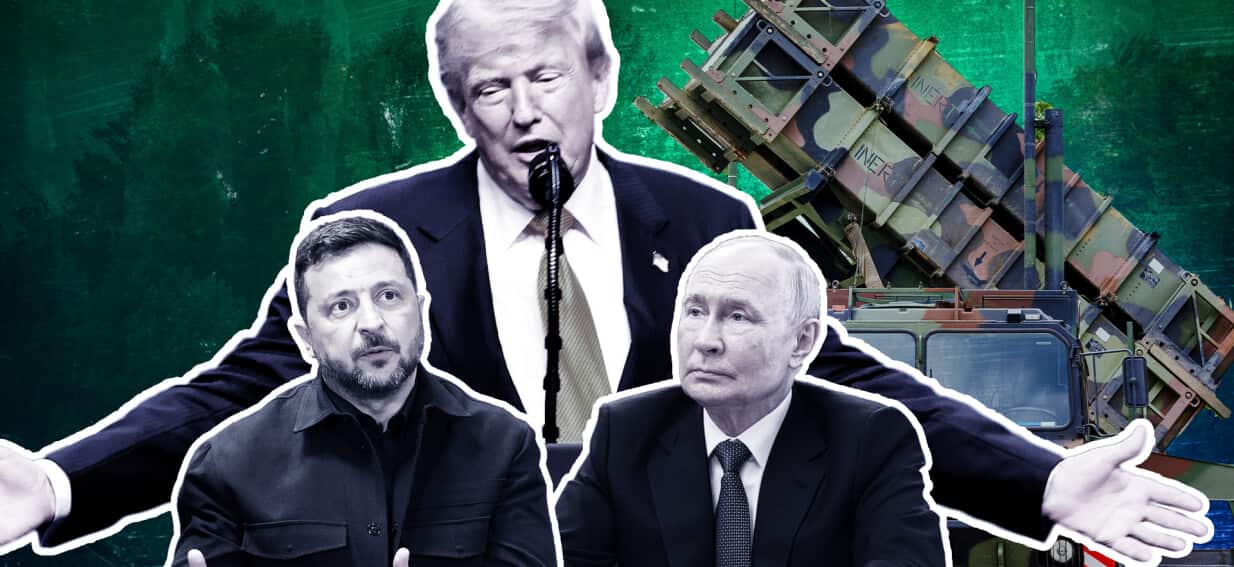
The media loves a good scoreboard. When a political figure shares a video bragging about military strikes being "20 times bigger" than a rival’s, the talking heads immediately fall into their predictable grooves. The hawks cheer for raw power. The doves wring their hands over regional stability. Both sides miss the point entirely.
They are staring at the fireworks while ignoring the arsonist.
The lazy consensus in modern foreign policy reporting is that bigger bombs equal greater leverage. We are conditioned to believe that asymmetric military retaliation—crushing an adversary with overwhelming force—forces them to their knees, begging for a deal. It is a cinematic worldview. It is also entirely wrong.
In the actual arena of geopolitics, relying on massive, theatrical military displays is not a demonstration of strength. It is an admission that your diplomatic and strategic leverage has completely collapsed.
The Mirage of Overwhelming Deterrence
Let’s dismantle the premise of the "bigger is better" doctrine. The argument goes that by unleashing a strike of massive proportions, you reset the baseline of deterrence. You scare the opponent out of the game.
Having analyzed decades of escalation cycles in the Middle East, I can tell you that this logic fails the moment it hits reality.
When you strike an adversary like Iran with a disproportionate response, you aren't resetting deterrence; you are subsidizing their internal narrative. The hardliners in Tehran don’t look at a massive blast radius and think, "We better sign whatever treaty Washington throws at us." They look at it and realize their defensive posture is working exactly as intended to maintain their internal grip on power. External aggression is the ultimate political glue for an authoritarian regime.
Imagine a scenario where a superpower obliterates a series of remote proxy outposts. On paper, it's a tactical victory. In reality, you’ve traded millions of dollars in precision-guided munitions to destroy cheap concrete bunkers and empty trucks, all while giving the adversary a pristine propaganda victory.
The Flawed Premise of "Begging For a Deal"
The public frequently asks: Does military pressure force adversarial nations to negotiate?
The brutal, honest answer is no—not when that pressure is applied via public humiliation.
Foreign policy is driven by face-saving mechanics. No sovereign nation, no matter how economically degraded or militarily outmatched, will come to the negotiating table while a video of their destruction is being circulated as a trophy. To do so is political suicide for the leadership involved.
When Washington relies on public chest-thumping, it misunderstands the psychology of its opponents. True leverage is built quietly. It is constructed through suffocating financial networks, maritime interdictions, and secondary sanctions that force an adversary to calculate the cost of their behavior in private.
The moment you make the conflict a public spectacles of raw power, you shift the arena from strategic calculus to existential pride.
The High Cost of the Heavy Hand
There is a distinct downside to rejecting the flashy, cinematic approach to foreign policy. Quiet strategy doesn't score quick political points at home. It doesn't look good in a campaign ad or a viral social media clip. It requires patience, deep institutional knowledge, and the willingness to take short-term criticism for long-term stability.
But look at the alternative. Decades of "maximum pressure" campaigns built on the threat of overwhelming kinetic strikes have left the international order more fragmented than ever.
We’ve seen administrations pour billions into regional deployments to back up rhetorical threats, only to watch adversaries accelerate their clandestine programs the moment the cameras turn off.
Stop measuring strategic success by the size of the explosion on your screen.
True dominance in global affairs isn't about proving you can hit twenty times harder. It’s about ensuring the other side knows you don't even have to lift a finger to break them. Turn off the video. Look at the ledger. The scoreboard is lying to you.