The sea does not burn easily. Anyone who has lived near salt water knows the heavy, stubborn weight of the ocean, the way it swallows light and cold without giving anything back. But when high-octane fuel spreads across the surface of the Strait of Hormuz, the water disappears. In its place is a sheet of roaring, violet-orange flame that can be seen from low orbit.
For ten consecutive nights, that artificial horizon has been the only constant for the crews crewing the world's commercial fleet through the narrowest choke point on earth.
Consider a supertanker at anchor. It is a floating city of steel, three football fields long, carrying millions of barrels of crude oil. Under normal circumstances, life aboard is defined by boredom—the quiet hum of massive diesel engines, the rhythm of watch rotations, the endless scraping of rust. Now, imagine standing on the bridge wing of that vessel as night falls. To the north, the coastline of Iran glimmers under heavy clouds. To the south, the low, glittering skylines of the Gulf states stretch toward the horizon.
Then the air splits open.
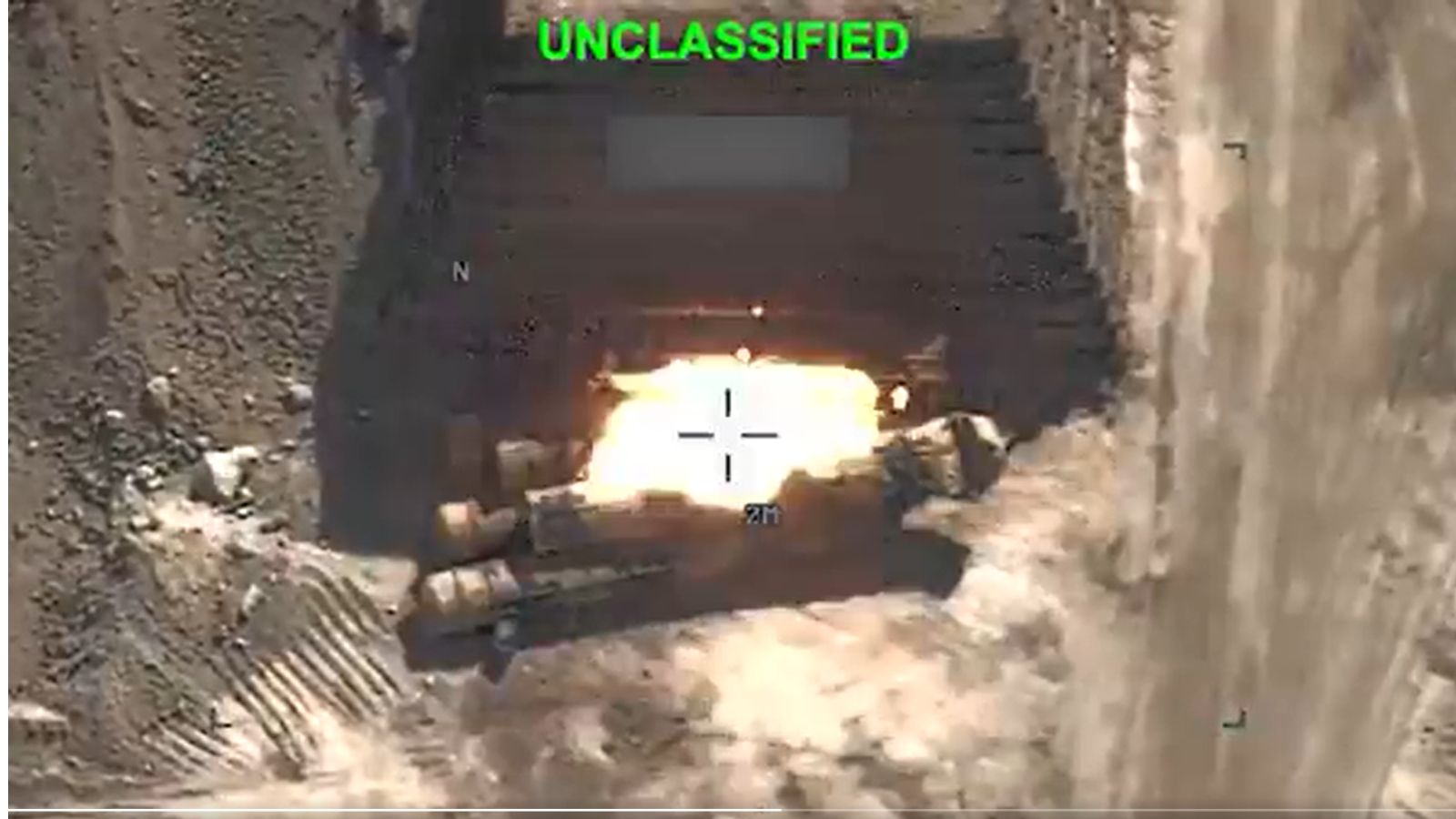
The sound of modern warfare does not travel like the rolling thunder of historical film reels. It arrives as a sharp, supersonic crack, followed instantly by a pressure wave that rattling teeth in jawbones five miles away. On the tenth night of continuous American airstrikes against coastal positions, Iranian anti-ship batteries answered with a jagged salvo launched toward the shipping lanes. Two crude carriers took direct hits. Within minutes, thousands of tons of refined fuel ignited, turning a vital trade arterial into a corridor of blinding, suffocating heat.
This is no longer a localized border dispute or a calculated trade leverage play. It is a catastrophic collision of global supply chains and human frailty.
The Narrow Pinch
Geography is a quiet tyrant. Look at a globe, and your eyes naturally drift to the vast expanses of the Pacific or the endless blue of the Atlantic. But the global economy does not live in the open ocean. It lives in tiny, constricted throat-points carved by earth’s ancient geology.
The Strait of Hormuz is barely twenty-one miles wide at its narrowest pass. Through this tiny slit of blue, roughly twenty percent of the world’s petroleum flows every single day. Gasoline for commuters in Tokyo. Heating oil for homes in New England. Jet fuel for international hubs in Frankfurt and Singapore.
When a missile strikes a tanker in those waters, the immediate damage is obvious: iron buckles, sea life perishes, men in fire-retardant suits fight hopelessly against chemical blazes that melt steel decking. But the invisible shockwave travels infinitely faster than the oil slick.
Within seconds of the first distress call on night ten, financial algorithms thousands of miles away began executing automatic sell-offs and risk adjustments. In trading pits from London to Chicago, numbers flickered on black screens, cascading downward. Insurance underwriters turned off their terminals, refusing to bind coverage for any hull attempting the transit.
Imagine a farmer in Iowa or a delivery driver in São Paulo. They have never heard of the small coastal towns lining the Persian Gulf. They do not know the technical names of the anti-ship cruise missiles currently piercing the night sky. Yet, by tomorrow morning, the price of the bread on their table and the fuel in their tanks will bear the direct scar of those ten nights of bombardment.
What Steel Remembers
It is easy to analyze conflict through the cold geometry of maps and tactical graphics. Arrows point across body of water; red zones indicate target coverage; military analysts speak in the flattened, sterile dialect of strategic deterrence and proportional response.
That language breaks down completely on the deck of a burning ship.
Picture a Chief Engineer down in the engine room when the hull is breached. The lights do not flicker; they go out instantly as power grids fail under violent vibration. The heat rises with terrifying speed as oil floods the lower decks. Emergency alarms howl in the dark—a deafening, mechanical scream that strips away years of professional composure in a fraction of a second.
Panic is a physical weight. It fills the lungs faster than smoke.
On shore, across the Gulf nations, the reality is equally visceral. For ten days, citizens and migrant workers in major coastal cities have watched the night sky light up with interceptor missiles. Patriot batteries engage incoming threats in high-altitude bursts of white light, leaving squiggly trails of smoke hanging in the humid night air like drawn thread.
Sirens sound. Buildings shake. The rhythmic routine of daily commerce—the markets, the school runs, the late-night cafe gatherings—has dissolved into a tense, breathless vigil. People stare at their phones, watching live video feeds of fires burning just a few miles offshore, wondering if the glass in their living room windows will survive the next shockwave.
The Failure of Calculations
How did the arithmetic fail so completely?
For months, diplomats and strategic planners operated under a shared assumption: that the cost of total disruption was simply too high for any party to bear. The logic seemed airtight. Iran relied on maritime access for its own economic survival. The United States and its allies were bound by the absolute necessity of keeping global markets stable. The Gulf states needed peaceful waters to continue their massive economic transformations.
Everyone had a reason to stop short of the edge.
Yet, conflict rarely follows the clean lines of game theory. It operates on pride, miscalculation, and the slow, compounding weight of incremental escalations. A tit-for-tat strike here. A seized vessel there. A warning launch that veers slightly off course.
Suddenly, the deterrence model breaks. The very mechanisms designed to prevent war become the triggers that accelerate it. Each side feels compelled to respond to the previous night's damage, convincing itself that only a stronger display of force will restore the balance.
By the tenth night, the original pretexts have faded into the background. The battle assumes its own dark momentum, consuming fuel, steel, and human life simply because no one knows how to command the silence to return.
The Long Wake
The smoke from a burning oil tanker does not dissipate cleanly into the atmosphere. It lingers as a dense, greasy haze that settles over the water, coating the hulls of waiting ships and staining the white sand beaches for miles downwind.
Long after the air raid sirens go quiet and the military updates stop streaming across screen feeds, that haze will remain.
It will remain in the broken supply routes that take years to rebuild. It will remain in the permanent inflation carved into global basic goods. Most of all, it will remain in the memories of the sailors who stood on darkened decks, watching the sea burn around them, realizing how fragile the thin veneer of our modern, interconnected world truly is.
As dawn breaks over the Persian Gulf on the eleventh morning, the sun rises not through clear air, but through a thick, dark column of carbon rising thousands of feet into the sky—a silent, towering monument to ten nights that changed the map.