The British government just confirmed our worst fears about international development. Newly released Foreign Office figures show a horrifying reality: we are seeing vital UK aid slashed by up to 90% in some of the world's most vulnerable nations. This is not a minor budget trim. It is a wholesale abandonment of historic commitments. The Foreign, Commonwealth and Development Office (FCDO) annual report lays out a grim three-year timeline that fundamentally reshapes Britain's role on the global stage.
If you want to understand why this matters, look past the dry spreadsheet cells. Look at the countries targeted. Regional bilateral aid to Africa will drop by 56% by 2028/29 compared to 2024/25 levels. For nations like Malawi and Mozambique, the funding drops by a staggering 90%. Sierra Leone and Rwanda see 80% cuts. Somalia faces a 49% reduction. This happens at a time when these communities are actively battling climate emergencies, deep-seated poverty, and localized conflicts.
The justification from Downing Street is simple: domestic security requires money. Prime Minister Keir Starmer’s government made a deliberate choice to shift billions away from overseas development assistance to fund a major expansion of national military defense. They want to scale up military spending to £6.5 billion by 2027. But swapping human security for military hardware is a short-sighted strategy that will backfire. When you pull the plug on clinics and schools, you create the very instability that drives future conflicts.
The Real Impact of Having UK Aid Slashed Across the Continent
The sheer scale of these budget rollbacks caught development experts off guard. For decades, the UK positioned itself as a dependable partner in global health and poverty alleviation. That reputation is gone. The decision to lower the aid budget target to just 0.3% of Gross National Income (GNI) by 2027/28 makes this the sharpest aid contraction in the entire G7. It drops Britain lower than the United States in terms of national income percentage dedicated to global development.
The real numbers are actually much worse than the official 0.3% headline figure. The UK government continues to exploit an accounting loophole that allows it to count the cost of housing asylum seekers in domestic hotels as part of its foreign aid spending. That domestic cost runs at roughly £2 billion a year. When you strip that money out, actual spending on overseas programs will crater to an estimated 0.24% of GNI. That is the lowest level since modern records began in 1970.
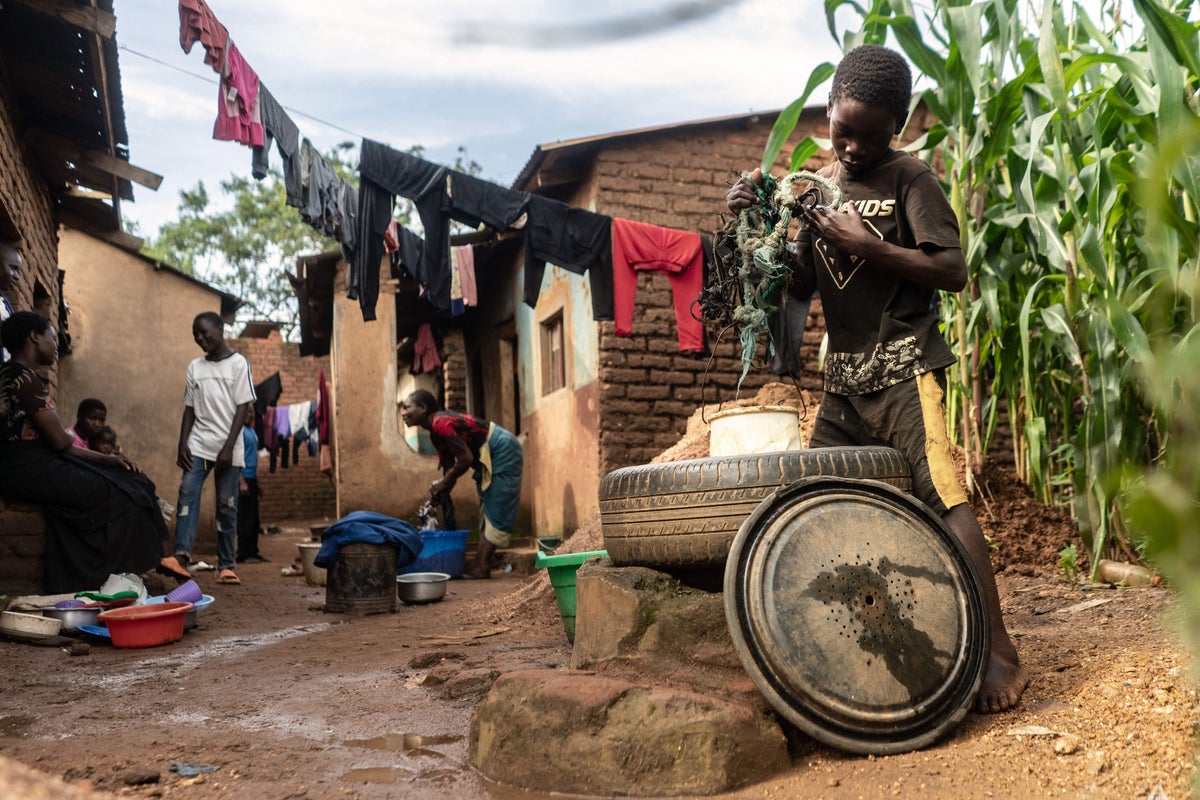
Think about what a 90% drop looks like on the ground in Malawi or Mozambique. It means local non-governmental organizations lose their primary lifelines overnight. It means community health workers go unpaid. It means clean water projects stop mid-drilling. The government’s own Equality Impact Assessment admitted these cuts will leave children, older people, and people with disabilities across Ethiopia, Tanzania, and Zambia far more vulnerable to systemic shocks.
We are also seeing the total elimination of funding for critical multilateral health programs. The UK is ending its financial support for the Pandemic Fund and the Global Polio Eradication Initiative. Halting support for polio eradication when we are so close to wiping the disease out is reckless. It risks a resurgence of preventable illnesses that the international community spent decades trying to suppress.
The Flawed Logic of the Security First Pivot
Foreign Secretary Yvette Cooper defended these choices in parliament by framing the cuts as a necessary evolution. The administration argues that they are moving away from the "traditional paternalism of the past" toward "modernised partnerships." The new official line is that the UK will transition from being a traditional donor to acting as an investor. They intend to route more of the remaining funds through multilateral institutions like the World Bank, claiming it is a more efficient use of limited public funds.
This argument falls apart under scrutiny. Multilateral banks are slow, bureaucratic, and detached from immediate local realities. Direct bilateral aid allows the UK to target specific regional crises and build direct relationships with local governments and civil society. Shifting everything to major global financial institutions reduces local accountability and stretches the timeline for delivering actual relief.
The political cost inside Westminster has already been significant. The sheer severity of these rollbacks sparked widespread anger among humanitarian groups and led directly to the resignation of the development minister, Anneliese Dodds. You cannot remove billions from an international system without breaking things.
The government claims that national defense must come first. But true security is not just about building missiles and expanding army regular numbers. It is about preventing states from collapsing in the first place. When fragile states lose support for basic healthcare and education, they become breeding grounds for radicalization and civil unrest. The refugee crises that Western nations claim they want to prevent are directly accelerated by withdrawing this type of foundational support.
A Geopolitical Vacuum for Competitors to Fill
The timing of this British retreat could not be worse. It coincides with a broader, systemic contraction of Western development assistance. The United States has initiated its own massive pullback, pausing major USAID contracts globally during an extensive project review. The Netherlands and Belgium are similarly dialing back their international development commitments.
When Western democracies pack up and leave, they create a massive geopolitical vacuum. Other global powers are waiting to step into that space. China and Russia are not cutting their African budgets. They are expanding them.
China’s approach does not rely on traditional humanitarian grants. They offer major infrastructure loans and state-backed investments that come with clear strings attached. Russia brings security contracts and military partnerships. When the UK cuts its bilateral ties by 80% or 90%, it loses its seat at the table. It loses the diplomatic leverage needed to advocate for democracy, human rights, and transparent governance.
We are essentially telling historic partners that they are on their own. Do not expect these nations to support Western priorities in international forums like the United Nations when we abandon them during climate and economic crises. It is a massive diplomatic unforced error.
Survival Steps for International Organizations
International non-profits and civil society groups operating in Africa cannot wait around for a change of heart in London. This funding is not coming back anytime soon. Organizations must completely rewrite their operational strategies to survive this multi-year drought.
Diversify Funding Beyond G7 Governments
Relying heavily on traditional Western state donors is now a high-risk strategy. Organizations need to aggressively pivot toward private philanthropy, corporate partnerships, and non-traditional donor states. Look toward philanthropic foundations based in the Middle East and parts of Asia that are expanding their global development footprints.
Accelerate True Localization
The model of running expensive international secretariats in London or Washington while treating African organizations as mere implementers is dead. Localized organizations operate with significantly lower overhead costs and possess the cultural context necessary to maximize small budgets. Shift decision-making power and remaining resources directly to local African NGOs. They are the ones who will stay on the ground when the international funding evaporates.
Build Direct Philanthropic Networks Inside Africa
Africa's own high-net-worth individuals and corporate entities represent an underutilized source of development capital. Organizations should focus on building domestic philanthropic coalitions within countries like Kenya, Nigeria, and South Africa to fund regional health and education initiatives.
Focus strictly on Core Survival Initiatives
This budget crisis requires a ruthless prioritization of services. Nice-to-have advocacy programs and high-level policy workshops must take a backseat to frontline survival tools: clean water access, basic childhood vaccinations, and emergency maternal healthcare. Keep the infrastructure alive so it can be scaled back up when the political climate eventually shifts.
The UK aid budget cuts are a self-inflicted wound to Britain's global standing and a tragedy for the millions of people who relied on that partnership. The reality of 2026 demands a total rejection of old fundraising models. Survival means adapting to a world where Western governments are looking inward, building walls, and leaving the global south to manage systemic crises entirely on their own.