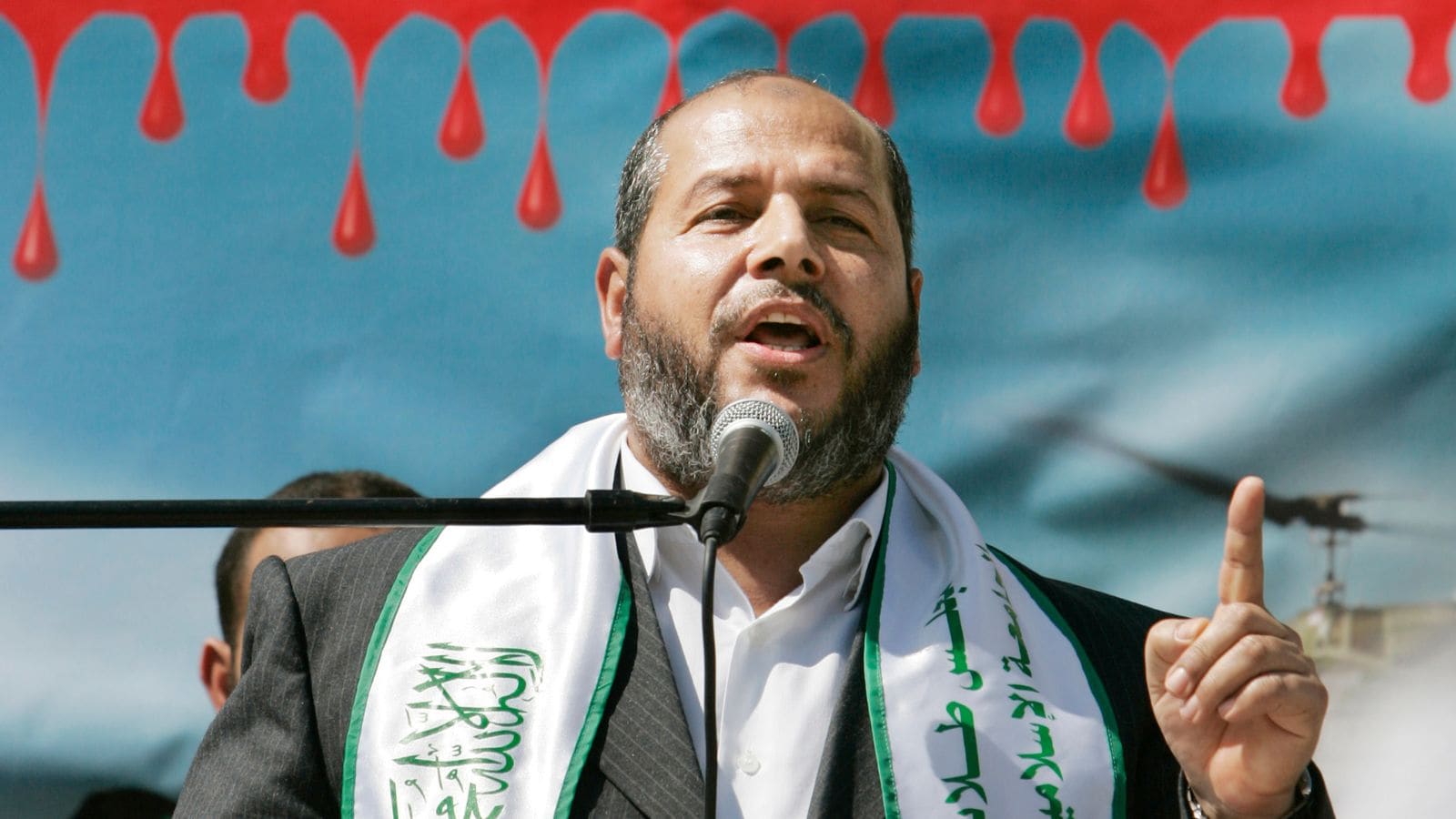
The mainstream media loves the Great Man theory of insurgency.
When Hamas announced Khalil al-Hayya as its new overall political chief, the press instantly cranked out the standard, lazy profiles. They parsed his 35-to-34 vote victory over Khaled Meshaal as if it were a British parliamentary election. They debated whether his ties to Iran make him a hardliner, or if his role as a ceasefire negotiator makes him a diplomat.
It is a completely flawed premise.
The Western obsession with formal organizational charts completely misreads how decentralized networks survive under total military pressure. Electing a bureaucrat in Doha does not change the equation on the ground in Gaza.
The Mirage of Top-Down Control
For two years, commentators claimed that killing top leaders would decapitate the movement. First went Ismail Haniyeh in Tehran. Then Yahya Sinwar in Rafah. Each time, analysts predicted either total collapse or a massive shift in strategy.
Neither happened.
Insurgencies operating in ruined urban terrain do not take daily orders from a luxury compound in Qatar. The remaining local cells holding ground and hostages operate on a survival mandate. They do not care about a razor-thin vote in an exiled Shura council.
Imagine a scenario where a corporate headquarters loses all communication with its factory floor, yet the media continues to judge the factory's output based entirely on who is named the new nominal CEO. That is the exact level of disconnect we are seeing here. Al-Hayya has the title, but the actual leverage belongs entirely to whoever controls the tunnels.
The False Dichotomy of Negotiator Versus Hardliner
Pundits are tripping over themselves trying to categorize al-Hayya. They call him a "diplomat" because he led indirect talks. Simultaneously, they label him a "hardliner" because he refuses disarmament.
This is a fundamental misunderstanding of asymmetric warfare.
In organizations like Hamas, diplomacy is not an alternative to violence; it is an extension of it. Al-Hayya does not represent a "moderate" wing of the group. He survived an Israeli strike in Doha just last year. His family has been repeatedly wiped out by airstrikes. He is as deeply embedded in the ideological core of the movement as Sinwar ever was.
Assuming his background in negotiations means he will soften the group's stance is wishful thinking. He negotiates to secure organizational survival, not to transition into a peaceful political party.
A Fractured Franchise
The 35-to-34 vote split against Khaled Meshaal is the real story, and it points to a fragmented future rather than a unified front.
The narrow victory shows that the external leadership is deeply divided over its geopolitical orientation. Meshaal represented the old-school, broader Muslim Brotherhood ties that often clashed with Tehran. Al-Hayya represents the faction that views Iran as the indispensable lifeline for weapons and money.
By choosing al-Hayya, the group chose to double down on its axis of resistance alliance. But a one-vote margin means he lacks a clear mandate to force compliance across the entire organization.
The takeaway for international observers is simple: stop analyzing the top of the pyramid when the structure itself has dissolved into an amorphous franchise. The man sitting at the desk in Doha is a spokesperson with a fancy title, not a commander with absolute control.
The conflict will not be decided by who won a committee vote. It will be decided by the realities of the ground war, regardless of who claims the crown.