The mercury rises without a sound.
Unlike a storm that rattles the shutters or a blizzard that buries the driveway, extreme heat arrives like an unwelcome houseguest who simply refuses to leave. It settles into the plaster. It slips under the antique wooden doorframes. By day three, it transforms centuries of architectural pride into an oven.
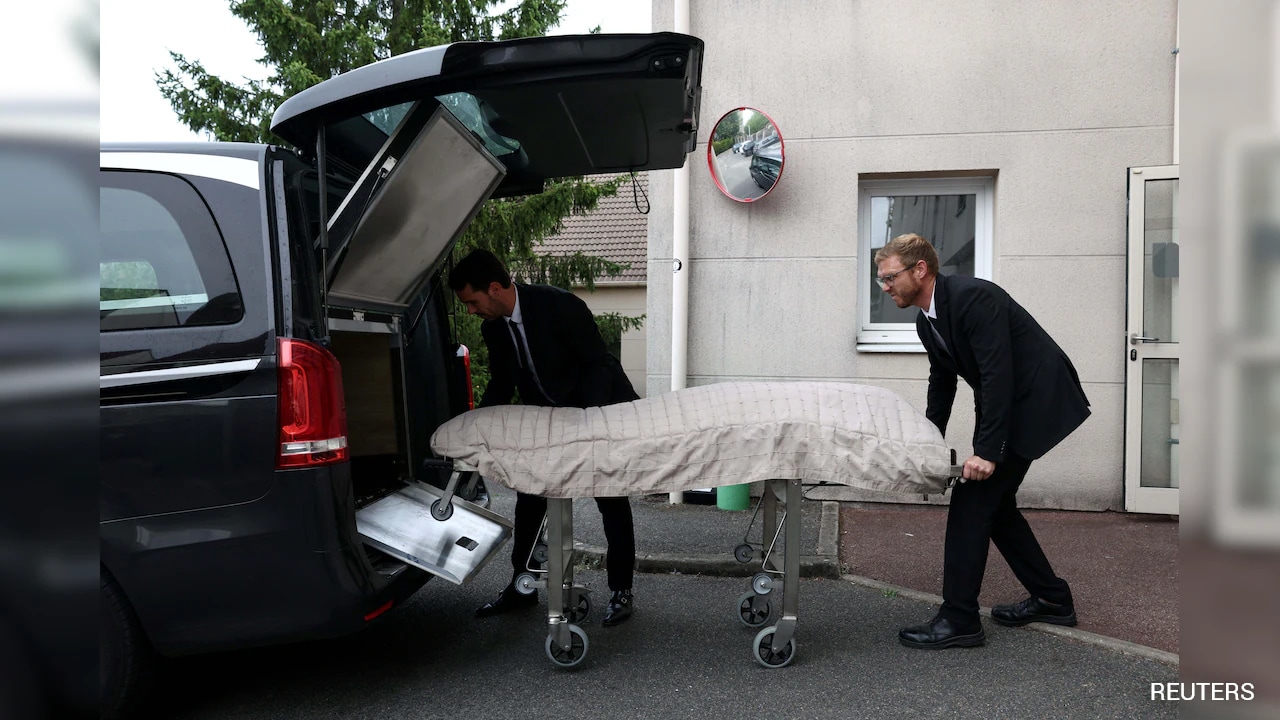
In the summer of 2003, heat did something unthinkable across France. It killed nearly 15,000 people in a matter of weeks, mostly the elderly, isolated in top-floor apartments beneath zinc roofs built to retain warmth, not shed it. It was a tragedy written in silence. Neighbours didn't realize anything was wrong because there were no shattered windows or flooded streets. There were only quiet rooms, closed shutters, and temperatures that refused to drop even after the sun went down.
Two decades later, the country finds itself locked in a relentless race against its own geography, history, and demography.
The Trap Built of Paris Stone
To understand why a summer afternoon in Southern or Central Europe can turn dangerous, you have to look at how cities like Paris, Lyon, and Bordeaux were built.
For centuries, European architecture solved a single, primary problem: winter. Heavy Haussmannian limestone, dark slate, and iconic grey zinc roofs were engineered to capture every stray ray of sunlight and trap it inside. They were fortresses against the cold.
When a heatwave hits, those same stone walls act like thermal sponges. During the day, they absorb massive amounts of solar radiation. In a normal climate cycle, the stone releases that trapped thermal energy back into the cool night air.
Night is the reset button.
It is the body’s chance to lower its core temperature, to rest, to recover. But when night-time temperatures stay above 20 degrees Celsius—a phenomenon meteorologists call a "tropical night"—the reset button breaks. The stone walls keep radiating heat inward, straight through the midnight hours. The city cannot exhale.
Consider a hypothetical resident named Marthe, living on the sixth floor of a classic Parisian apartment building. She is eighty-two. Her building has no elevator and certainly no central air conditioning. For fifty years, her apartment was a sanctuary. Today, under a week-long heat dome, the zinc roof directly above her ceiling acts like a giant radiator. The air inside her room reaches 35 degrees and stays there, static and thick, long after the streetlights come on.
Marthe doesn't feel dramatically ill at first. She just feels tired. So she sits down. She forgets to drink water because the thirst mechanism weakens as we age. Her heart beats faster, trying to pump blood to her skin to shed heat, but the air around her offers no relief.
This is the invisible crisis of an ageing population meeting an warming continent.
The Human Thermostat Breaking Down
We often treat heat as a matter of comfort. We complain about sweat, buy extra fans, or joke about melting on the pavement. But at a biological level, heat is an aggressive physical stressor.
The human body operates within a tight thermal window. When external temperatures surge, the heart works overtime to pump blood to the surface of the skin, where sweat can evaporate and cool the body down.
It is a remarkably elegant cooling system. But it relies heavily on two things: humidity levels that allow sweat to evaporate, and a cardiovascular system strong enough to handle the strain.
When you combine an older demographic with prolonged, relentless exposure to extreme heat, the arithmetic turns dark very quickly.
- Cardiovascular strain: The heart must pump significantly more blood per minute to manage heat, doubling or tripling its workload.
- Dehydration risk: Older adults naturally have a lower volume of water in their bodies and a diminished sense of thirst, accelerating heat exhaustion.
- Medication interactions: Common prescriptions for blood pressure or heart conditions can actively interfere with the body's ability to sweat or regulate temperature.
It isn't just about heatstroke. The vast majority of heat-related hospitalizations aren't labeled "heat stroke" on arrival. They are heart attacks, kidney failures, and stroke complications triggered because the body's internal engine boiled over while trying to keep itself cool.
Retrofitting History
So how does a nation deeply attached to its historical aesthetic adapt without tearing down its heritage?
It starts by rethinking the very fabric of urban life. France has begun embarking on one of the most complex structural adaptations in modern history, attempting to prepare an old world for a hot future.
It means painting zinc roofs with reflective white coatings to bounce sunlight away before it turns into trapped energy. It means tearing up concrete plazas to plant urban forests that cool the air through evapotranspiration—nature’s own air conditioner. It means transforming public schoolyards into green "islands of freshness" that stay significantly cooler than the surrounding asphalt.
It also requires a complete overhaul of social infrastructure.
After 2003, national registers were created to keep track of vulnerable, isolated residents. During severe heat alerts, municipal workers now call thousands of seniors directly, dropping by to deliver water, check on living conditions, and ensure people aren't sitting quietly in overheated rooms. Cool centers—air-conditioned public libraries, museums, and temporary shelters—are mapped and promoted across every district.
Yet, technical solutions only go so far when the baseline climate keeps shifting. Installing energy-hungry air conditioning units everywhere creates a cruel paradox: cooling individual rooms while pumping waste heat back out onto the street, further warming the city and draining the power grid.
The real fix requires a deeper, uncomfortable shift in how we build, how we care for our neighbours, and how we organize daily life when the summer sun turns hostile.
The sun dips below the horizon, but the limestone facade of the apartment block still hums with stored energy, warm to the touch like a fading campfire. High up on the sixth floor, a shutter creaks open a few inches, catching a faint, desperate breeze moving across the dark rooftops.