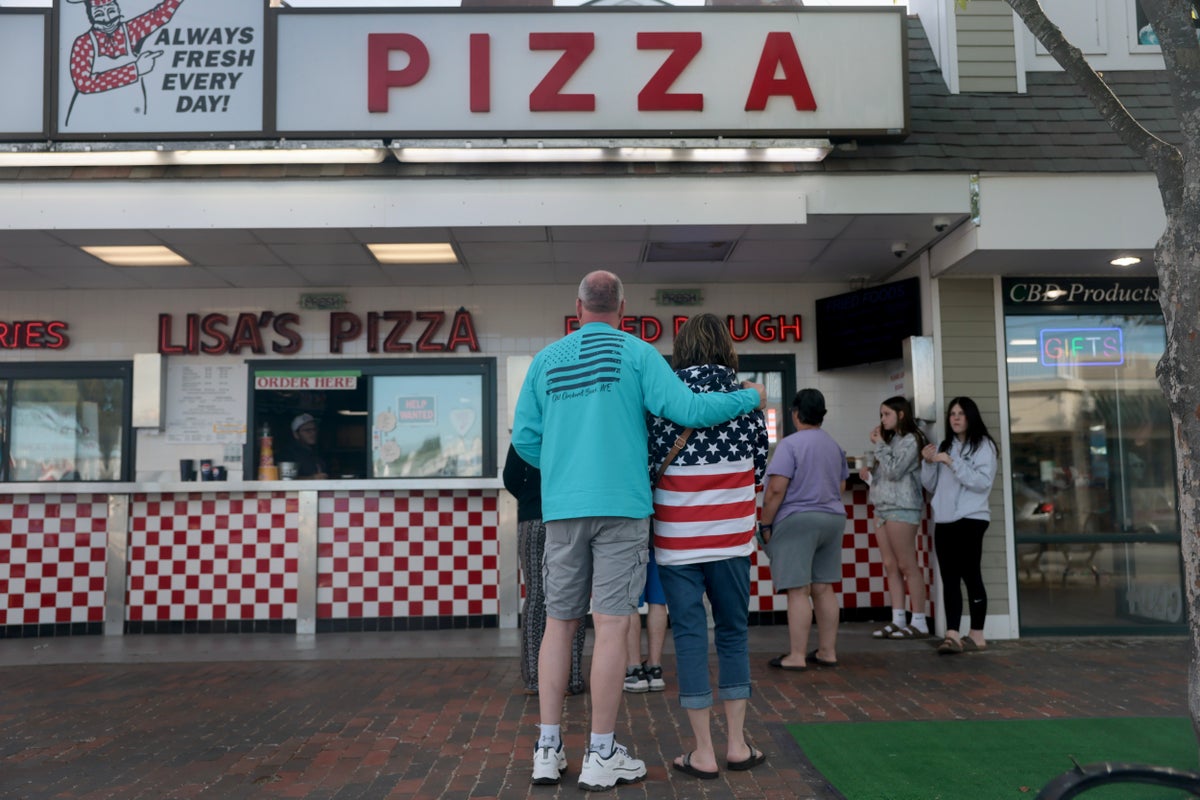
The mainstream financial press loves a heartwarming narrative. This season, the favorite story is a comforting tale about the resilient American consumer: squeezed by inflation, travelers are staying closer to home, choosing road trips over transatlantic flights, and supposedly pouring a financial windfall into local main streets.
It sounds perfect. It feels right. It is completely wrong.
The cozy assumption that domestic hyper-local travel serves as a sustainable lifeline for small businesses ignores basic economic realities. Relying on local travelers is not a growth strategy. It is a slow-motion strangulation of the exact small businesses these tourists claim to support.
When travelers stay within a two-hour radius of their homes, their spending habits undergo a drastic psychological shift. They do not behave like tourists; they behave like cost-conscious residents who happen to be sleeping in a slightly different zip code. The expected economic boom is a mirage built on high foot traffic and dangerously low margins.
The Brutal Math of the Local Tourist
The foundational error of the staycation celebrate-the-local narrative lies in a fundamental misunderstanding of consumer psychology. Long-haul travelers—people who board cross-country flights or cross international borders—operate under a "sunk cost" mindset. Once a traveler spends thousands on airfare and lodging, their friction toward incremental spending vanishes. They buy the high-margin $18 cocktail. They book the $150 guided tour. They purchase local artisan goods at retail price because they are capturing a rare moment in time.
The domestic drive-in tourist operates on the exact opposite wavelength.
Because they did not spend heavily to reach the destination, their mental accounting treats the entire trip as an extension of their daily budget. I have consulted for boutique hospitality brands across the Pacific Northwest and New England, and the data is uniform: local drive-in guests spend up to 60% less on ancillary revenue streams than long-haul visitors.
- The Dining Deficit: Local travelers skip the high-margin three-course dinner. They know the regional cuisine too well. Instead, they seek out casual dining or opt for fast-casual options they recognize from home.
- The Retail Ghost Town: Small-town boutiques do not survive on postcards and keychains. They survive on high-ticket, unique items. Local tourists look, comment on how charming the shop is, and walk out empty-handed because they can buy similar items in their own suburbs without carrying them back in a packed trunk.
- The Discount Expectation: Proximity breeds a false sense of entitlement. Local travelers frequently demand "regional resident" discounts, compressing margins even further for businesses already struggling with skyrocketing labor costs and inventory inflation.
When a small business trades an international traveler for a drive-in traveler, they are replacing high-margin, frictionless spending with low-margin, highly scrutinized transactions. You cannot run a main street business on volume alone when the volume spends like it is grocery shopping on a Tuesday afternoon.
Operational Bottlenecks and the Weekend Crush
The damage is not limited to the balance sheet. The operational realities of hyper-local travel create a structural nightmare for small business owners.
Long-haul international tourists arrive on staggered schedules. They stay for five to seven days. They eat dinners on Tuesdays, take tours on Thursdays, and browse shops on Friday mornings. They smooth out the demand curve, allowing a small business to maintain steady staffing levels and predictable inventory management throughout the week.
Local tourists arrive en masse at exactly 5:00 PM on Friday and vanish by noon on Sunday.
This creates a highly volatile, unsustainable operational rhythm. A rural bakery or a coastal boutique hotel faces a ghost town from Monday to Thursday, only to get absolutely slammed for a 48-hour window.
Imagine a scenario where a small restaurant must staff up to maximum capacity for two nights a week while running empty for the other five. The owner faces an impossible choice. Do you hire full-time staff who sit idle all week, burning through your cash reserves? Or do you rely on unreliable part-time weekend help, resulting in terrible service, long wait times, and destroyed brand reputation?
The weekend crush strains infrastructure, burns out workers, and drives up overtime costs. The increased foot traffic creates the illusion of a booming business, but the profit is eaten entirely by the operational inefficiencies required to handle the sudden surge.
The Subsidized Illusion of Stability
Defenders of the domestic travel shift point to data showing steady occupancy rates in regional vacation towns. What they fail to analyze is the nature of that occupancy.
Short-term rental platforms have distorted the true health of local ecosystems. When a family rents a home two hours away, they often bring their own groceries from their suburban big-box store. They utilize local infrastructure—roads, beaches, parks—without contributing significantly to the local tax base or the independent merchants on the ground. They are consuming the destination, not funding it.
Relying on this demographic creates an economic monoculture that leaves small towns incredibly vulnerable to minor macroeconomic shifts. If gas prices tick up by fifty cents a gallon, the drive-in tourist cancels their weekend plans instantly. The international traveler, having booked months in advance, still shows up.
True economic resilience requires diversification. Championing the staycation trend as a victory for small businesses is like celebrating a band-aid on a broken leg. It masks the bleeding without fixing the underlying fracture.
Ditch the Locals to Save Your Business
If you run a small business in a destination currently flooded with drive-in traffic, survival requires rejecting the conventional wisdom of trying to appeal to everyone. Stop modifying your offerings to appease the budget-conscious local traveler. It is a race to the bottom.
Instead, double down on premium experiences designed specifically to extract maximum value from the smaller pool of high-spending, long-haul travelers who still make the trip.
- Create Friction for Low-Spenders: Implement strict weekend minimum stays or non-refundable premium booking windows. If your rooms or tables are being occupied by people who refuse to spend money on your core amenities, you are letting them crowd out your most profitable potential clients.
- Bundle Up, Don't Discount: Never lower your prices to attract the drive-in crowd. If you must offer an incentive, bundle your core service with exclusive, high-margin additions—like private after-hours shopping access or curated regional tasting menus. Force the consumer to shift out of their everyday spending mindset.
- Target the Right Out-of-State Hubs: Shift your marketing dollars entirely away from your immediate geographic neighbors. Allocate your budget toward metropolitan areas with direct flights to your region, targeting demographics that view your destination as an exotic escape rather than a casual weekend distraction.
The narrative of the staycation savior is a dangerous fantasy. Small businesses do not need more feet on the pavement; they need more capital in the register. Stop celebrating the crowded sidewalks and start looking at the true cost of the local crowd.