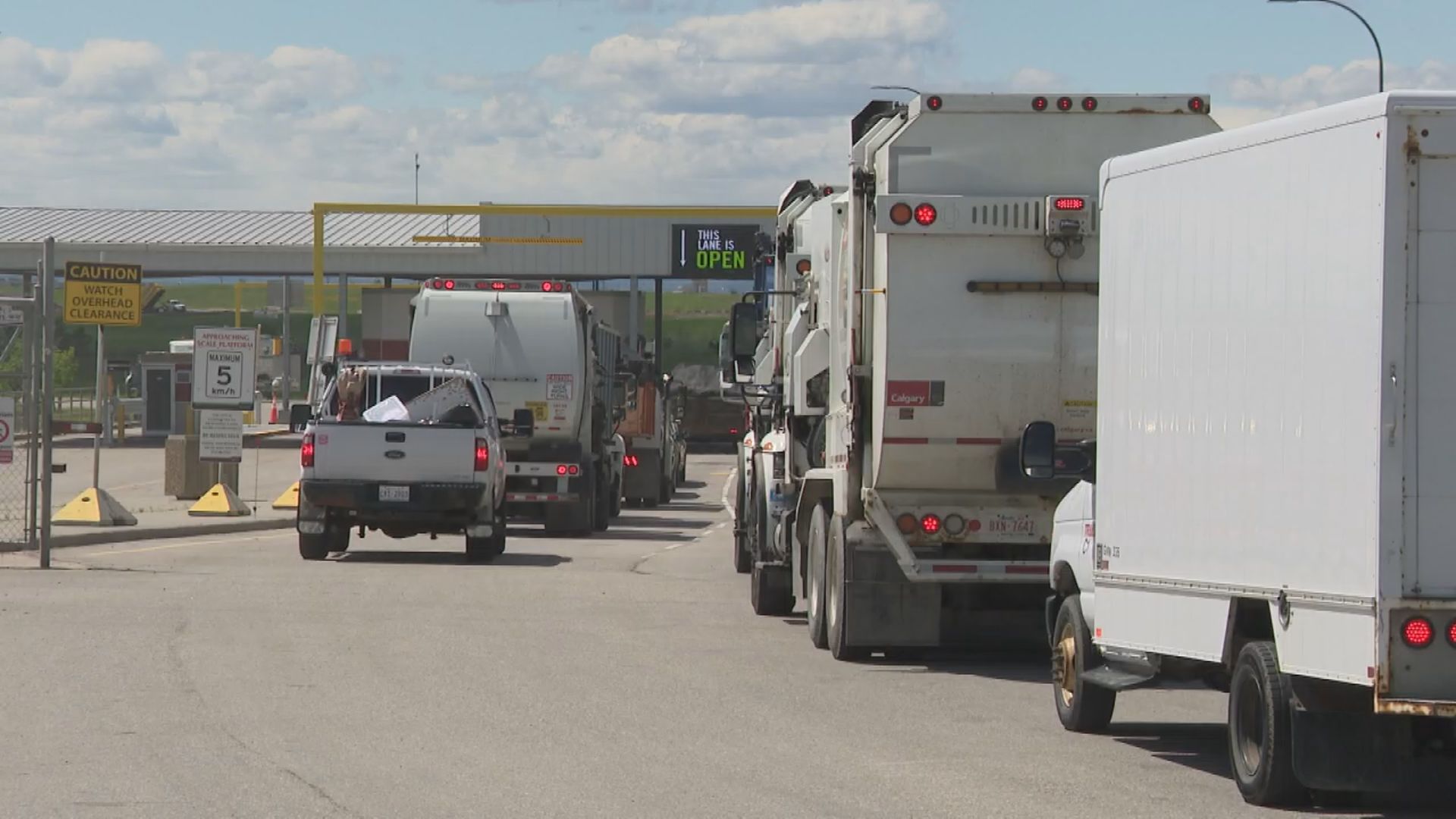
If you live in New Brighton, Copperfield, or McKenzie Towne, you know the exact smell I am talking about. It hits your nose during a warm summer evening, forcing you to slam your windows shut. It smells like a mix of dead, wet grass, a rotting city dump, and the stagnant fluid pooling at the bottom of a black bin. For years, southeast residents blamed the nearby composting facility or the industrial lagoons. It turns out the true culprit is much weirder, and it involves a giant, burping landfill.
The City of Calgary spent 450,000 dollars on a massive air-monitoring probe to figure out why the southeast corner of the city smells so foul. After a year of intense testing, tech tracking, and data gathering, engineers finally found the leak. It is not a broad operational failure. It is the landfill's leachate system, essentially a massive network of underground pipes built to manage "garbage juice."
Understanding exactly what is happening requires separating the facts from the rumors floating around neighborhood Facebook groups.
The Mechanics of a Landfill Burp
Every modern landfill has an underlying protection system. When rain falls on the Shepard Landfill, it seeps through layers of discarded household trash, picking up chemicals, organic matter, and bacteria along the way. By the time that liquid reaches the bottom of the pit, it turns into a highly concentrated, toxic liquid called leachate.
The city has a massive network of pipes designed to catch this liquid before it leaks into underground aquifers and poisons local groundwater. The pipes collect the juice and pump it away for chemical wastewater treatment.
The issue stems from how the network was built. During the construction of the Shepard Landfill, engineers put in vertical access points called leachate risers. These risers let crews inspect and service the deep underground pipes. However, as the garbage juice flows through the system, it off-gasses. The subterranean pressure builds up until the landfill essentially burps, sending a blast of concentrated rotten-grass odor straight out of the access points and into the wind currents heading toward Douglasdale, Riverbend, and McKenzie Towne.
The heat makes it worse. Warm air, stagnant wind conditions, and atmospheric inversions trap the gas close to the ground, pushing it directly into nearby residential windows.
Why the Industrial Finger Pointing Was Wrong
For years, local community associations and residents assumed the worst smells came from the massive Calgary Organics Facility or the biosolids lagoons. The logic made sense on paper. The compost site is the largest in-vessel composting facility in Canada, handling thousands of tonnes of food waste.
But the actual data painted a completely different picture. The city's extensive third-party investigation evaluated sixteen potential sources within a five-kilometer radius of the Shepard Complex. The composting facility utilizes an incredibly massive air-scrubbing system and an enormous biofilter to neutralize ammonia and organic compounds before any air escapes.
While the compost pad and the biosolids lagoons do give off faint odors during operational shifts, like when workers disturb finished compost or transfer materials between cells, those smells are usually weak and dissipate quickly. The intense, sour, rotting stench that plagued residents was the direct result of the unsealed leachate access points.
The Fix and What Happens Next
The city took action by completely sealing off the offending leachate risers to block the gas from escaping into the atmosphere.
The real test for southeast communities will happen during August and September. Historically, late summer brings the highest volume of 311 complaints due to high heat and stagnant air. If the riser seals hold up, the sharp, sour garbage juice odor should drop significantly.
However, total odor elimination is impossible. The southeast quadrant is a heavy industrial and agricultural zone. You have the Shepard Landfill, active farming operations, natural wetlands that smell like sulfur when they dry out, and ongoing disputes with private sites like Ecco Recycling over dust and uncovered waste storage.
If you notice a sudden foul smell, you need to report it immediately through the city's 311 app. Don't just log a generic complaint. The city's air-monitoring teams need specific data to track down remaining leaks. When you submit a report, include the exact time you smelled it, your specific street address, a description of the odor, and how long the smell lasted. This real-time data allows engineers to cross-reference wind patterns and catch fleeting odor spikes before they blow away.