The Real Test in South Lebanon
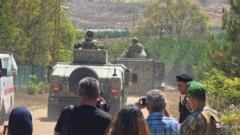
The Lebanese Armed Forces finally entered Zawtar al-Gharbiyeh this week.
On paper, it sounds like a textbook diplomatic breakthrough. Under a US-brokered trilateral framework finalized on June 26, Israeli forces agreed to a phased pullback from southern border zones. In return, Lebanon’s national military steps in as the sole authority, charged with demining, securing the ground, and clearing out Hezbollah's remaining military apparatus. Meanwhile, you can read related stories here: The BrahMos Illusion Why Manila Bought a Very Expensive Paper Tiger.
It’s meant to be a high-stakes trial run. The US State Department and the Military Coordination Group for Lebanon designed these "pilot zones" to build trust. Show that the state can hold territory, prove that Hezbollah won't simply move back in, and you unlock broader Israeli withdrawals across the 600-square-kilometer buffer belt.
But once you look past the official press releases, the strategy is packed with friction. To see the complete picture, check out the excellent article by BBC News.
What Washington Got Wrong About the Ground Truth
The map chosen for this experiment reveals serious diplomatic compromises.
The initial pilot program targets three specific towns: Froun, Srifa, and Zawtar al-Gharbiyeh. Look closely at where those places actually sit on a map.
Froun and Srifa weren't even under Israeli military occupation when the deal took effect. Lebanese soldiers were already patrolling them. Staging a "withdrawal and takeover" process in towns where the foreign army isn't present feels more like diplomatic theater than a real tactical handoff.
Pilot Zone Breakdown:
- Froun: Already outside IDF footprint; pre-existing Lebanese patrols.
- Srifa: Already outside IDF footprint; no active Israeli pullout needed.
- Zawtar al-Gharbiyeh: Positioned in the active buffer zone; site of true IDF troop shift.
Zawtar al-Gharbiyeh is the only spot in the first wave where Israeli forces actually had to redeploy to let Lebanese units enter. Even there, local residents point out that heavy Israeli presence was concentrated mainly on the outskirts.
When diplomats design "pilot zones" using territories that don't require tough military trade-offs, they aren't testing real political resolve. They're just creating an easy win for the cameras.
The Disarmament Dilemma Nobody Wants to Discuss
The biggest hurdle isn't getting Lebanese engineering teams into damaged villages to clear unexploded ordnance. It's the central mandate of the June framework: disarming Hezbollah.
The Lebanese Armed Forces (LAF) isn't built for a direct, violent showdown with Hezbollah fighters. For decades, the military's unspoken operational doctrine in the south has been avoidance and co-existence to prevent a civil conflict inside Lebanon.
Asking state troops to enter ruined villages—where dozens of communities have been razed and essential infrastructure like power stations and water pumps destroyed—and actively strip weapons from an entrenched armed movement is a massive task.
- Hezbollah explicitly rejects the legitimacy of the entire US-mediated direct dialogue process.
- The group has publicly stated it won't disarm or abide by the framework's conditions.
- Israeli officials remain openly skeptical that the LAF has the political backbone or military capacity to enforce the terms.
If LAF units enter these towns and simply turn a blind eye to covert weapons caches or hidden underground tunnels to avoid internal fighting, Israel will call it a breach and stall further withdrawals. If the LAF actually aggressive confiscates weapons, it risks opening a brand-new internal front.
It's a tough political position for Lebanese President Joseph Aoun as he navigates high-level talks with Washington.
Displaced Civilians Caught in the Middle
While military commanders coordinate through US channels, tens of thousands of Lebanese citizens are stuck in limbo.
The Lebanese army's immediate move upon entering Zawtar al-Gharbiyeh was telling: they barred civilians from returning. Loudspeaker announcements and official military notices warned residents to stay clear while bomb squads inspect the ruins.
That makes military sense given the heavy destruction and risk of unexploded munitions. But for families who have been displaced since fighting erupted, patience is running dangerously thin. They don't care about geopolitical verification protocols or Rome negotiation rounds. They want to go home, rebuild their houses, and assess their land.
The longer these pilot zones remain locked down under military clearance orders, the more local trust erodes. Civilians start suspecting that their towns are being used as bargaining chips in a diplomatic game with no end date.
What Happens Next
The entire plan rests on fragile logic. Washington wants to construct confidence out of a tactical arrangement in three small villages.
If you want to track whether this security model actually survives past the current phase, stop watching the photo-ops and keep your eye on three specific metrics:
- Verification Agreements: Watch whether the US, Israel, and Lebanon can actually agree on who verifies the LAF's weapons sweeps. Israel wants strict oversight; Beirut wants full national sovereignty.
- Expansion Beyond the Border Belt: See if the IDF moves back from high-value, heavily fortified occupied zones deeper in the south, rather than peripheral villages like Zawtar al-Gharbiyeh.
- Local Hezbollah Response: Track whether non-state fighters attempt to re-arm or conduct covert operations inside the designated pilot areas.
If any one of those three points breaks down, this entire pilot experiment will stall out, leaving south Lebanon trapped in the exact same dangerous status quo it's been in for years.