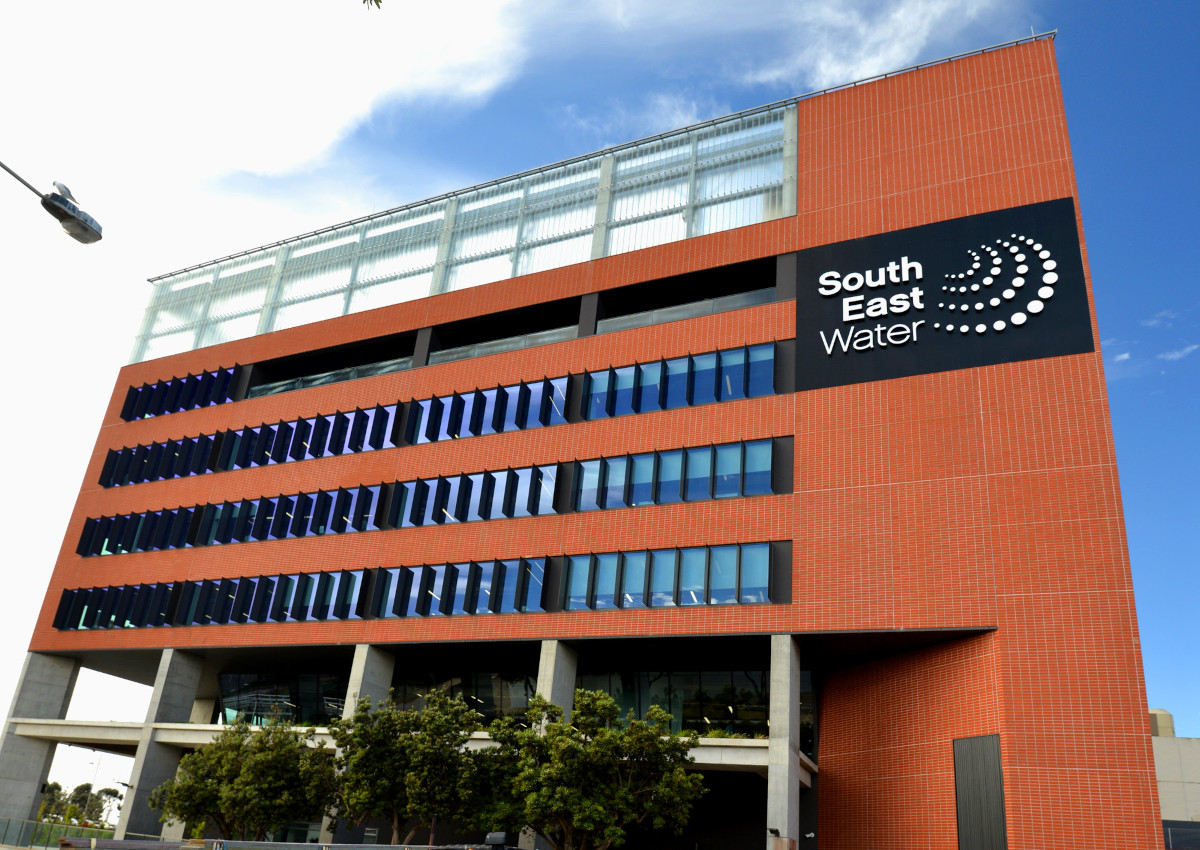
David Hinton, the CEO of South East Water, won't take his performance bonus this year. It’s a move that feels less like a grand gesture and more like a necessary survival tactic. When thousands of people across Kent and Sussex spent the height of summer or the depths of winter without a drop of water in their pipes, a corporate payout starts to look like a slap in the face.
You can't really blame the public for being furious. Last year, the supplier faced a wave of outages caused by everything from burst pipes during "freeze-thaw" events to peak demand during heatwaves. People had to rely on bottled water stations. Businesses closed. Vulnerable residents were left wondering why they pay some of the highest bills in the country for a service that literally dries up when the weather gets a bit difficult.
Hinton's decision to waive the bonus—which reportedly could have been around £141,000—is an admission of failure. It’s also a sign that the scrutiny on water companies has reached a boiling point. The industry is no longer a quiet utility business; it's a political lightning rod.
Why Public Anger Forced the Hand of Water Executives
The British public has reached its limit with the privatized water model. It’s not just about the supply outages. It’s the sewage. It’s the leaks. It’s the optics of multimillion-pound dividends flowing to shareholders while the infrastructure literally crumbles beneath our feet.
South East Water had a particularly rough run. During one notable incident, customers were told to stop using hosepipes, only to find their taps running dry anyway because the company couldn't keep up with demand. When a CEO sees their customers queuing in a car park for plastic bottles of water, taking a "performance" bonus becomes PR suicide.
This isn't just about one man’s paycheck. It's about a systemic lack of investment. South East Water is owned by a group of institutional investors, including pension funds and private equity firms. For years, the focus was on financial engineering rather than engineering pipes. Now, the bill is coming due, and the bosses are starting to realize that the "business as usual" approach is dead.
The Reality of Infrastructure Failure in South East England
The South East is one of the most water-stressed regions in the UK. We have a growing population and some of the oldest infrastructure in the country. It’s a recipe for disaster. When the ground freezes and then thaws rapidly, old iron pipes snap like twigs.
Hinton has pointed to "extreme weather events" as the culprit. While climate change is undeniably making things harder, "extreme weather" is becoming the standard excuse for lack of resilience. A robust system shouldn't collapse every time the temperature swings ten degrees.
- Pipe Leakage: South East Water loses millions of liters every single day through leaks.
- Storage Capacity: The region lacks enough reservoir space to handle long dry spells.
- Population Growth: New housing estates are being plugged into a grid that was designed for half the current capacity.
If you’re a customer in Tunbridge Wells or Ashford, you don’t care about the complexities of hydraulic modeling. You care that you couldn't flush your toilet for three days in June. Hinton’s waived bonus doesn't fix the pipes, but it does stop him from being the poster boy for corporate greed while the region stays thirsty.
Ofwat and the New Era of Accountability
The regulator, Ofwat, has been under fire for being too soft on these companies for decades. That’s changing. New rules mean that water companies can be blocked from paying out bonuses if they fail to meet environmental or service standards.
South East Water is currently under the microscope. The regulator is looking at how they managed the recent supply crises. If the company is found to have been negligent in its planning, Hinton's waived bonus might be the least of their worries. We’re talking about potential fines that could run into the millions.
Investors are also getting nervous. The era of "guaranteed returns" in the water sector is over. If companies have to plow every penny back into the ground to stop the leaks, there’s nothing left for the shareholders. Hinton's move is a signal to those investors: things are getting serious, and we have to show the public we’re hurting too.
What This Means for Your Water Bill
Don't expect your bill to go down because the CEO skipped a bonus. In fact, South East Water—along with almost every other supplier—is asking for permission to hike prices. They argue that to fix the mess, they need billions of pounds in new investment.
It’s a tough sell. "Pay us more so we can fix the things we should have fixed ten years ago" isn't a great marketing slogan. But that’s the reality. The money for these upgrades has to come from somewhere, and it’s usually the bill-payer.
If you're a South East Water customer, keep a close eye on their "Performance Commitment" reports. These documents show exactly how many minutes of supply interruption they’ve had and how many leaks they’ve fixed. If they miss these targets, they’re supposed to pay money back to customers through lower bills. It’s usually only a few pounds, but it’s better than nothing.
Steps You Can Take During an Outage
If you find yourself without water again, don't just wait for a text message from the company.
Check the Priority Services Register. If you have medical needs, young children, or are elderly, you need to be on this list. It ensures you get water delivered directly to your door during a crisis. Don't assume they know you need help.
Document everything. If your business has to close or you suffer damage because of a burst pipe, keep the receipts. The standard compensation for water outages is often pathetic, but you can fight for more if you can prove significant loss.
Report every leak you see. Use their app or website. The more people who report a specific issue, the harder it is for them to ignore it.
David Hinton’s bonus waiver is a start, but it’s a tiny drop in a very empty bucket. Real success isn't a CEO giving up a paycheck; it's a summer where the taps actually work.