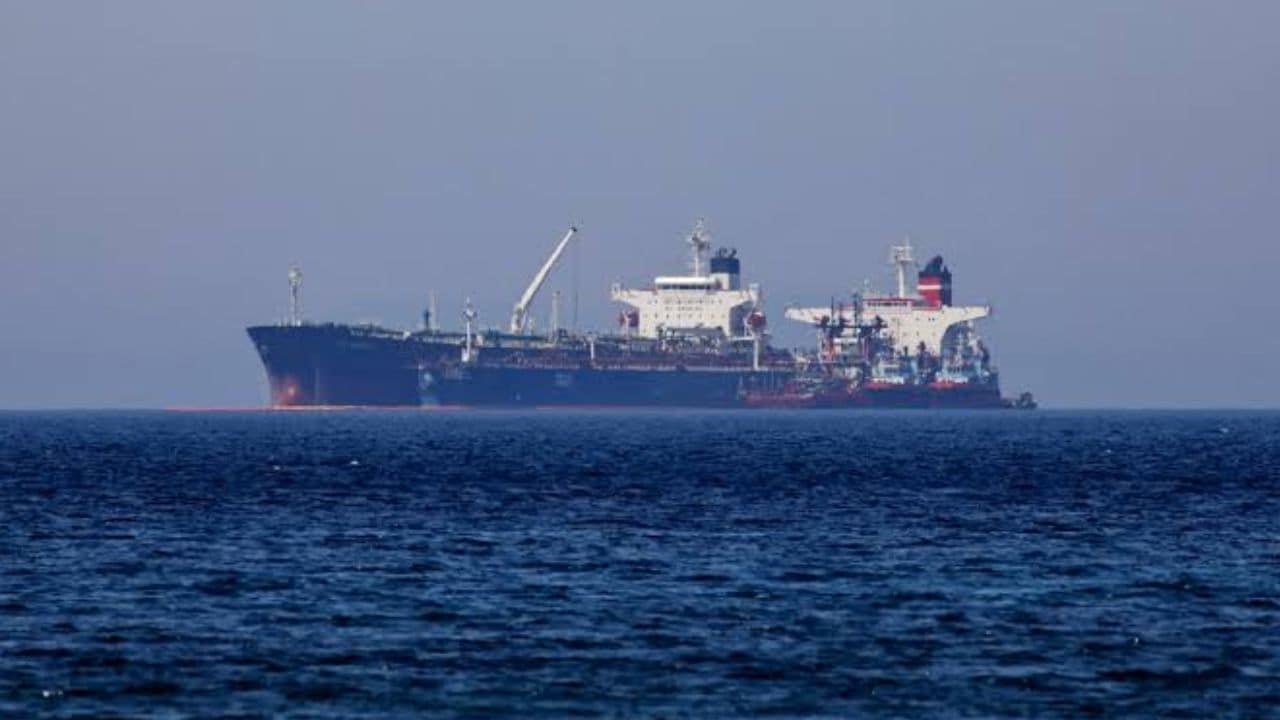
The heavy iron valve turns with a screech that vibrates through the soles of a worker’s boots at the Kharg Island terminal. For months, those valves have been choked tight, holding back millions of barrels of crude oil from the global market. But today, the pressure shifts. A few thousand miles away, in quiet diplomatic rooms, pens hit paper. The immediate result is a sudden, sharp hiss of oil moving through steel.
Oil is rarely just fuel. In West Asia, it is the literal pulse of survival, the currency of proxy wars, and the ultimate bargaining chip.
The United States government just announced a temporary, 60-day easing of oil sanctions against Iran. To the casual observer scanning a business feed, it looks like a dry compliance update, a minor technical adjustment in federal registers. It is not. It is a high-stakes, timed experiment in human survival and geopolitical leverage, tethered directly to the fragile peace talks crawling forward across the region.
Sixty days. It is an agonizingly brief window of time. For a global energy market, it is a blink. For a family in Tehran watching the cost of basic medicine skyrocket under the crushing weight of inflation, or for a merchant in a bazaar trying to price imported grain, it is a sudden, gasping intake of air.
The Invisible Ledger of Sanctions
To understand why sixty days matters, we have to look past the macro-economic charts and into the daily reality of economic warfare. Sanctions are designed to isolate, to starve a state apparatus of the capital it needs to project power abroad. But the mechanism is blunt. It behaves like a blockade, and blockades do not discriminate between military budgets and civilian breadlines.
Imagine a hypothetical shopkeeper in Isfahan named Tariq. He does not vote on regional foreign policy. He does not manufacture drones. Yet, when Washington tightens the screws on Iranian crude, Tariq’s life savings melt away. The national currency plummets. The cost of a carton of eggs doubles over a weekend. When we talk about "easing sanctions," we are talking about temporarily lowering the temperature under a boiling pot.
The logic behind this sudden reprieve is deeply transactional. The West Asia peace talks, which have stalled and sputtered through cycles of violence, have finally reached a critical, delicate junction. Diplomats needed a carrot. Words, promises, and communiqués carry little weight in a region defined by decades of broken treaties. Hard currency, however, speaks clearly.
By allowing Iran to legally export a capped volume of oil to select international markets for the next two months, the US is testing a theory. They are betting that the immediate injection of economic relief will incentivize Tehran to keep its regional proxies on a shorter leash while negotiators hammer out a more permanent ceasefire framework.
It is a calculated gamble. If Iran utilizes the revenue to stabilize its domestic economy and signals compliance, the window might extend. If the funds are diverted back into regional skirmishes, the trapdoor snaps shut on day sixty-one.
The Anxiety of the Open Market
The reaction on the trading floors of London, New York, and Singapore was instantaneous, characterized by a nervous drop in Brent crude futures. Traders hate uncertainty, but they love supply.
Consider how the energy ecosystem actually digests this news. Refineries cannot simply flip a switch to process a different grade of crude. Iranian heavy requires specific refining setups. For a compliance officer at an international trading house, a 60-day waiver is a logistical nightmare.
"Do we buy the cargo now, knowing it takes thirty days just to transit and clear customs? What happens if a shipment is delayed by a storm, and the clock runs out while the tanker is still at sea?"
This is the hidden friction of temporary policy. The fear of "snapback" sanctions creates a ghost effect. Even though the law technically allows the trade right now, many conservative banks and shipping conglomerates will refuse to touch the oil, terrified of being caught on the wrong side of an American regulatory hammer if the peace talks collapse next month.
Consequently, this easing is less an open floodgate and more a tightly metered drip. It forces Iran to sell quickly, likely at a steep discount, to buyers who are willing to take the legal risk. China, the historical destination for discounted Iranian crude, remains the primary outlet. The revenue generated will be monitored closely through escrow accounts, designated theoretically for humanitarian goods, though money in state coffers is notoriously fluid.
The Moving Pieces on the Chessboard
The timing of this announcement is not random. It coincides with a profound exhaustion sweeping through the political leadership of several regional powers. Months of escalating border conflicts, drone strikes, and disrupted shipping lanes in the Red Sea have taken a toll not just on human lives, but on the bottom lines of global corporations.
The maritime shipping lanes through the Bab al-Mandeb strait have become a gauntlet. Container ships have been forced to take the long, expensive route around the Cape of Good Hope, adding weeks to transit times and driving up the cost of consumer goods in Europe and North America. The economic pain of a destabilized West Asia is no longer contained to the region; it is leaking into Western inflation metrics.
This reality forced a shift in strategy. The standard playbook of escalating military deterrence has proven insufficient to guarantee safe passage for global trade. The 60-day waiver is an admission that economic levers must complement military ones.
But look at the map from the perspective of the other stakeholders. For regional rivals, the sight of Iranian oil tankers moving freely is a source of intense anxiety. They view any financial relief to Tehran as a direct threat to their own security, arguing that a wealthier adversary is a more dangerous one. The diplomacy required to balance this waiver without alienating key intelligence and military allies in the region is immense, requiring a level of tightrope walking that leaves zero room for error.
The Illusion of Control
There is an inherent fragility in believing that global energy flows can be micromanaged like a thermostat. A policy designed in a climate-controlled room in Washington looks neat on paper. It assumes all actors are rational, economic entities driven by cost-benefit analyses.
History suggests otherwise. Ideology, regional pride, and the unpredictable nature of localized conflict frequently shatter these clean assumptions. A single miscalculated rocket strike by a rogue militia commander could obliterate the peace talks tomorrow morning. If that happens, the 60-day clock stops instantly, regardless of what the oil markets have priced in.
The true stakes are borne by those who have no say in the negotiations. The waiver creates a cruel form of hope. It promises a brief respite from economic strangulation, a moment where the cost of living might plateau, where the threat of a wider, cataclysmic regional war recedes just an inch.
The tankers are loading now. Their hulls sink deeper into the warm waters of the Persian Gulf as millions of barrels of black liquid pump into their holds. They will sail east, carrying the weight of a fragile peace.
Sixty days from now, those ships might still be sailing under a renewed agreement, or they might be turned away from ports, suddenly radioactive under the law once more. The clock is ticking in the dirt of the refugee camps, on the glowing monitors of Wall Street, and in the quiet halls of power. A countdown has begun, and the world is left waiting to see if sixty days of breathing room is enough to teach a broken region how to stop fighting.