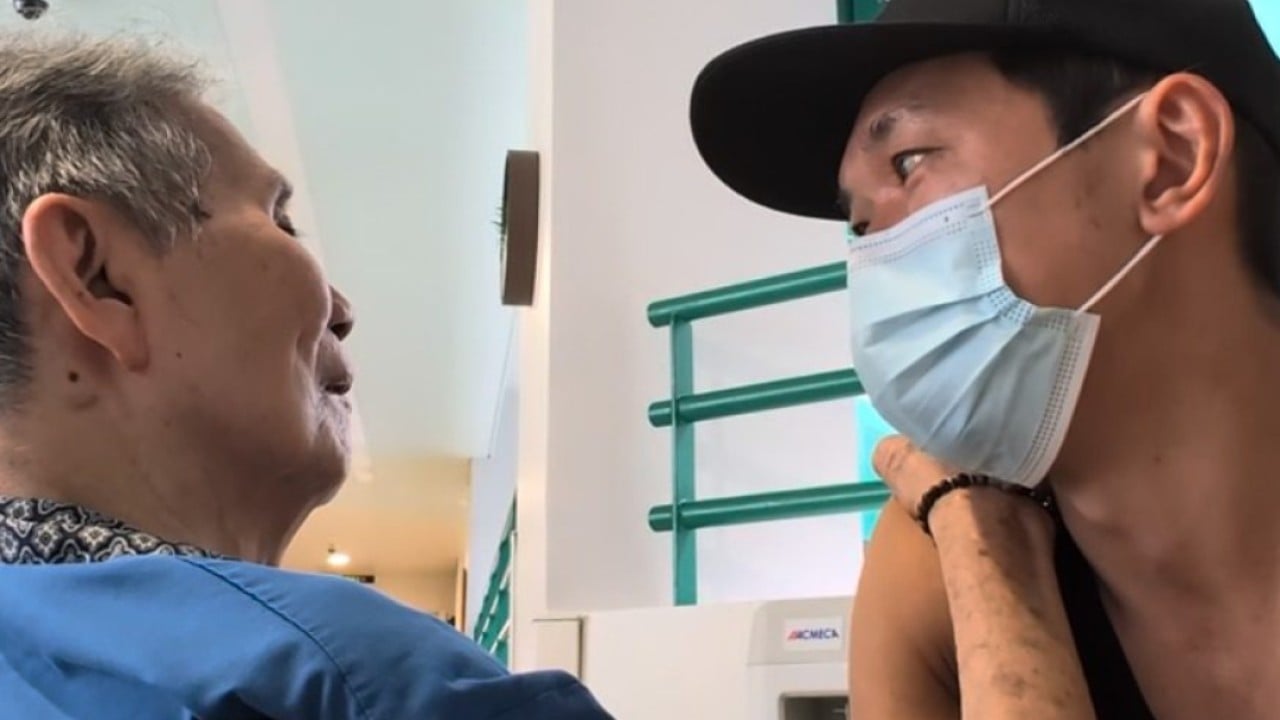
Singapore is facing an invisible public health emergency that standard policy interventions are failing to fix. While recent high-profile tragedies have thrust caregiver burnout into the spotlight, the systemic failure runs much deeper than a lack of respite care options. The core of the problem lies in an unsustainable reliance on informal family networks to prop up a rapidly aging population, paired with a cultural reluctance to institutionalize elder care. Until state infrastructure shifts from providing mere subsidies to actively absorbing the labor burden of caregiving, the domestic toll will continue to turn fatal.
The Friction Between Modern Economics and Filial Duty
Singapore relies heavily on the "Many Helping Hands" approach. This governance philosophy dictates that social support should come first from the family, second from community organizations, and only as a last resort from the state.
On paper, this preserves the traditional social fabric. In reality, it creates an intense pressure cooker for the sandwich generation. These are citizens aged 35 to 55 who find themselves simultaneously managing professional demands, raising children, and caring for deteriorating parents.
The economic model of the city-state demands high workforce participation. Yet, the physical and emotional reality of managing a parent with advanced dementia or severe physical disability requires near-constant supervision. When these two realities collide, something has to give. Usually, it is the caregiver's mental stability.
The state offers various grants, such as the Home Caregiving Grant, to offset costs. But cash injections do not buy back time or emotional stamina. Financial aid assumes that services are readily available, affordable, and culturally acceptable to use.
The Care Gap
Many families turn to Foreign Domestic Workers (FDWs) as a primary solution. This has effectively turned low-wage migrant labor into the de facto backbone of Singapore’s long-term care strategy.
+-----------------------------------------------------------------+
|                    The Caregiver Dilemma                        |
+-----------------------------------------------------------------+
|                                                                 |
|   [Economic Imperative]  <---------->  [Cultural Expectations]  |
|   - High cost of living                - Filial piety           |
|   - Peak career years                  - Home-based care bias   |
|                                                                 |
|                               |                                 |
|                               v                                 |
|                                                                 |
|                  [The Invisible Breaking Point]                 |
|                  - Chronic sleep deprivation                    |
|                  - Professional stagnation                      |
|                  - Severe clinical depression                   |
+-----------------------------------------------------------------+
)
This reliance creates a false sense of security for policymakers. An untrained domestic worker is not a substitute for professional geriatric care. When a patient exhibits severe behavioral issues or complex medical needs, the domestic worker often becomes overwhelmed, throwing the responsibility right back onto the primary family member.
Why Current Respite Care Models Are Failing
The government has expanded respite care options, allowing families to place seniors in nursing homes or day centers for short periods. The utilization rates for these programs, however, remain stubbornly low relative to the estimated size of the caregiving population.
To understand why, you have to look at the administrative and psychological barriers.
- The Bureaucratic Maze: Securing a temporary respite slot often requires weeks of advance notice, medical assessments, and means-testing documentation. Crisis situations do not give a three-week warning. If a caregiver wakes up tomorrow with a sudden depressive episode, the system cannot pivot fast enough to help them.
- The Guilt Tax: In Asian societies, transferring the care of a parent to an outsider, even temporarily, carries a heavy social stigma. Caregivers often internalize this as personal failure.
- Lack of Specialized Care: Standard day centers are ill-equipped to handle aggressive dementia patients. Caregivers frequently report being asked to take their relatives back because the center's staff could not manage the behavior.
This creates a paradox. The services exist on paper, but they are functionally inaccessible to the people who need them most desperately.
The Hidden Penalty on Careers and Retirement
The conversation around caregiving often focuses heavily on mental health, treating it as an emotional issue. It is equally an economic disaster for the individual.
When care demands peak, it is usually women who exit the workforce or step down to part-time roles. This happens precisely during their peak earning years. The immediate loss of income is painful, but the long-term destruction of retirement adequacy is devastating.
+-----------------------------------------------------------------+
|              The Downward Spiral of Informal Care               |
+-----------------------------------------------------------------+
|                                                                 |
|  Reduce Work Hours  --->  Lower CPF Contributions  ---> Poverty |
|         ^                                                 |      |
|         |____________________ Future Care Receiver ________|      |
+-----------------------------------------------------------------+
Because Singapore's social safety net is tied closely to the Central Provident Fund (CPF), taking a break from employment halts the accumulation of retirement savings and medical funds. By sacrificing their careers to care for their parents, these individuals are actively ensuring they will become the next generation of underfunded, vulnerable seniors without adequate support.
The state is essentially borrowing from the future financial security of its citizens to fund current eldercare deficits.
Flipping the Model From Reactive to Proactive
Addressing this crisis requires moving past public education campaigns that merely urge caregivers to "take a break" or "seek help."
We must consider structural shifts that treat caregiving as a formal economic contribution.
Mandated Caregiver Leave
Unlike parental leave, eldercare leave in Singapore is not statutorily mandated for all sectors. A handful of days a year under civil service guidelines or progressive company policies is insufficient. Legislation must catch up to the demographic reality, forcing employers to offer flexible work arrangements and protected extended care leave without career penalization.
Professionalizing Home Care
The current gap between cheap, untrained domestic labor and expensive private nursing is too wide. The state needs to heavily subsidize a professional cadre of mobile healthcare workers who can deploy to homes for acute, short-term relief within hours, not weeks.
The Institutionalization Myth
We must challenge the prevailing narrative that keeping seniors at home is always the optimal outcome.
Forcing a family to maintain a home-based ICU setup out of a sense of moral obligation benefits no one. When a senior requires round-the-clock medical attention, an institutional setting is often safer, more efficient, and more humane for both parties.
Yet, Singapore’s long-term care policy deliberately disincentivizes long-term institutionalization through strict subvention frameworks and a limited supply of nursing home beds. This is designed to prevent a run on state resources, but it shifts the entire operational and emotional cost onto private citizens.
The current trajectory is unsustainable. As family sizes shrink and the population ages at one of the fastest rates in the world, the pool of available family caregivers is drying up. Relying on filial piety as a policy substitute for a comprehensive social infrastructure is no longer a viable strategy. It is an invitation to further tragedy.