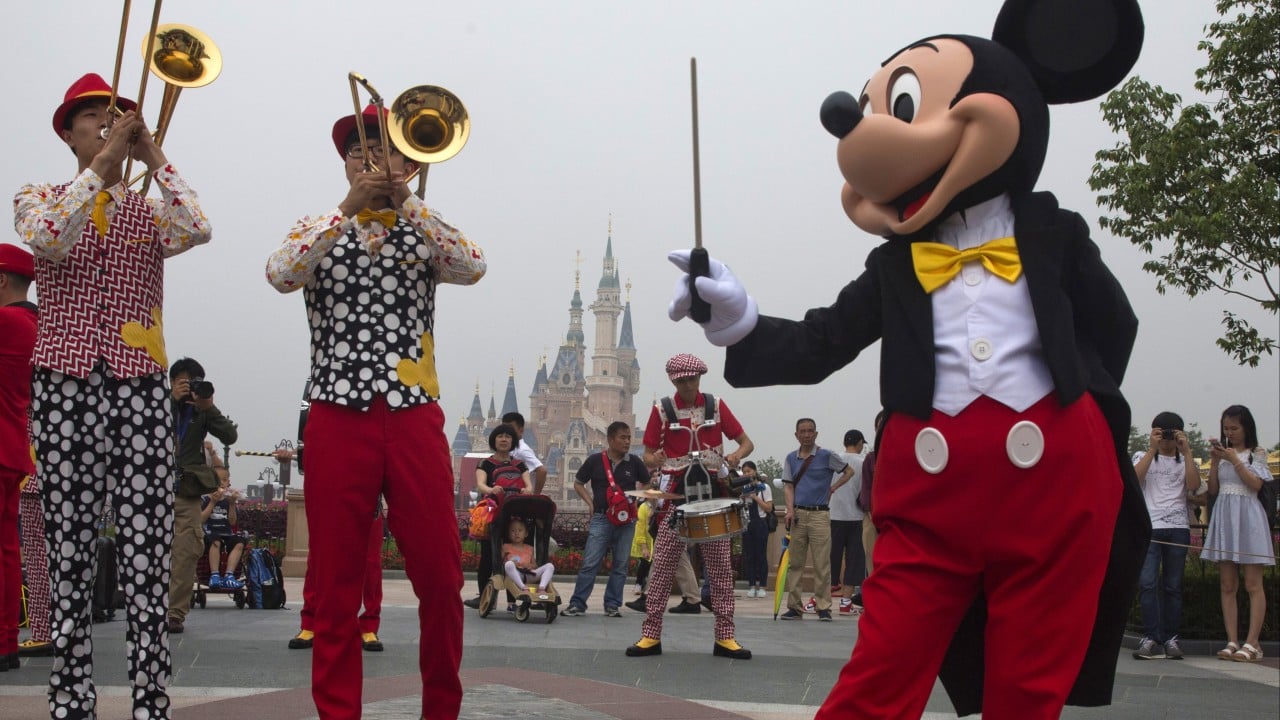
The launch of Shanghai Disney Resort in June 2016 changed how Western media giants approach international expansions. Before the gates even opened, critics doubted if a brand built on American ideals could capture the hearts of mainstream Chinese consumers. Disney didn't just build a replica of its California or Florida parks. They ripped up the old playbook to build something distinct.
Bob Iger famously called it "authentically Disney and distinctly Chinese." It wasn't just corporate marketing fluff. The resort succeeded because the company adapted to local cultural norms, dining preferences, and family dynamics.
Looking back at that pivotal moment reveals how the park avoided the early missteps of Euro Disney. It sets a clear template for any global brand trying to win over local markets.
Giving Up Main Street USA for a Chinese Audience
Walk into almost any classic Disneyland worldwide, and you start on Main Street, USA. It is a nostalgic slice of early 20th-century Americana, complete with gas lamps and horse-drawn streetcars. For a child growing up in Shanghai, that specific brand of nostalgia means absolutely nothing.
Disney dumped the entire concept.
Instead, visitors enter through Mickey Avenue, a vibrant, cartoon-centric hub designed to introduce classic characters right away. Behind it lies the Gardens of Imagination. This massive green space replaces the traditional central hub. It was designed specifically because Chinese guests value garden spaces, family photo opportunities, and relaxing landscapes.
The park features the Enchanted Storybook Castle. It stands as the tallest, largest castle in any Disney property. Western parks usually dedicate their central icon to a single princess like Sleeping Beauty or Cinderella. Shanghai’s castle represents all of them. It features a distinct Chinese accent, topped with a golden peony blossom.
Local mythology integrates into the entire layout. The Garden of the Twelve Friends reimagines Disney and Pixar characters as the animals of the Chinese zodiac. Remy from Ratatouille represents the rat. Babe the Blue Ox represents the ox. It is a simple touch, but it shows a deep respect for local heritage rather than just dropping a foreign asset into a new city.
Catering to Local Tastes and Group Dynamics
Theme park success hinges heavily on food and beverage sales. If you get the food wrong, guests leave early. Disney realized that standard American theme park fare like burgers, fries, and oversized turkey legs wouldn't carry a park in Shanghai.
During opening year, the culinary teams estimated that roughly 70 percent of the food served across the resort was traditional Chinese or Asian fusion. Guests found Peking duck pizzas, braised pork belly, and Mickey-shaped pork buns. They even sourced specific regional ingredients to appeal to travelers visiting from provinces outside Shanghai.
The layout of the dining rooms changed too. Western theme park dining relies heavily on quick-service counters and small tables for groups of two or four. Chinese families often travel in larger, multi-generational groups. Grandparents, parents, and children all visit together. The park adjusted by creating larger seating areas with round tables to accommodate big families eating together.
Rethinking Rides for a New Generation of Guests
Chinese consumers are incredibly tech-savvy. They grew up in a mobile-first ecosystem. To impress them, the attractions had to push technical boundaries.
The park bypassed the classic Space Mountain roller coaster entirely. Instead, they built TRON Lightcycle Power Run. This high-speed, launch-style coaster lets riders lean forward on individual lightcycles. It quickly became the breakout hit of the park, drawing massive lines and driving social media buzz across platforms like WeChat and Weibo.
They completely reimagined Pirates of the Caribbean: Battle for the Sunken Treasure. The classic version uses animatronics and simple boat drops. The Shanghai version utilizes massive, curved projection screens, magnetic propulsion boats that can spin or move backward, and hyper-realistic digital effects. It turned a 1960s ride concept into a modern spectacle.
The Strategy of Joint Ownership
You cannot understand the creation of this resort without looking at its business structure. Disney did not just buy land and start digging. The project is a joint venture with Shanghai Shendi Group, a state-owned consortium that holds a 57 percent stake in the resort, while Disney holds 43 percent.
This partnership was crucial for navigating the regulatory environment, managing massive construction logistics, and securing prime real estate in the Pudong district. It also insulated the park from political headwinds. It guaranteed that local stakeholders were fully invested in its financial success.
The investment paid off quickly. Unlike many international theme parks that take years to break even, the Shanghai resort turned a profit in its very first full year of operations. It welcomed millions of guests and proved that high-end experiential entertainment had a massive market in mainland China.
How to Apply the Shanghai Playbook to Your Business
Winning in a foreign market requires a balance of brand identity and local adaptation. If you are scaling a product or service internationally, follow these steps to avoid cultural rejection.
- Audit your core assets. Identify what makes your brand unique, but be willing to sacrifice elements that rely strictly on Western cultural nostalgia.
- Adapt the user flow. Change how your product is experienced based on local habits. If your customers prefer multi-generational spaces or specific payment ecosystems, build those into the foundation.
- Partner locally. Do not try to navigate complex foreign regulations alone. Form joint ventures or hire local leadership teams who understand the cultural and political landscape.
- Invest heavily in the flagship experience. First impressions matter immensely in new markets. Skimping on the initial launch to save budget usually results in a weak brand perception that is incredibly hard to fix later.


