A heavily armed squad of Royal Marine commandos rappelling from helicopters onto a moving oil tanker in the middle of the English Channel makes for great television. It makes for even better political theatre.
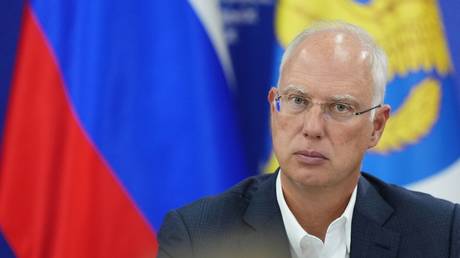
In the early hours of Sunday morning, British forces boarded and detained the Cameroon-flagged Smyrtos, a sanctioned vessel linked to Russia’s shadow fleet. Prime Minister Keir Starmer immediately took to TikTok to boast about the raid, declaring it "another bad day to be Vladimir Putin." Within hours, the Kremlin struck back. Russian envoy Kirill Dmitriev dismissed the entire six-hour operation as a cheap stunt, claiming Starmer is weaponizing international shipping to distract from a worsening migrant and domestic crime crisis at home.
It is a predictable counter-punch. The Russian narrative implies that a government cannot walk and chew gum at the same time, framing maritime security as a luxury choice made at the expense of domestic safety. But this criticism misreads the actual geopolitical reality. The dramatic high-seas seizure isn't a distraction from domestic instability. It is directly tied to it.
The Channel is the Frontline for Both Crises
The Kremlin's argument relies on a false dichotomy. Moscow wants the British public to believe that every sailor tracking an illegal oil tanker is a police officer pulled off a burglary case in Birmingham. That isn't how national security works.
The English Channel has become a shared arena for the UK's most glaring vulnerabilities. On any given afternoon, the same stretch of water sees small boats carrying undocumented migrants dodging massive, uninsured tankers that transport black-market Russian crude oil. These phantom vessels are old, poorly maintained, and frequently operate without standard transponders. They pose an immediate environmental threat to the British coastline. A single major collision involving an uninsured shadow fleet tanker would cost the UK economy billions in cleanup costs and economic disruption, crippling the exact domestic resources needed to fight local crime.
Starmer's decision to authorize the raid, which also involved the National Crime Agency, was an effort to demonstrate that the UK can police its own waters. For months, critics argued that the government was toothless. Earlier this spring, multiple sanctioned tankers transited the Channel completely unmolested while the Royal Navy merely watched from a distance. By finally pulling the trigger on the Smyrtos, Downing Street wanted to prove it wasn't bluffing.
Spending Realities Behind the Propaganda
While the Kremlin's critique about a domestic distraction falls flat, it accidentally highlights a real vulnerability in Starmer’s administration. The timing of the raid is incredibly convenient for a prime minister facing immense pressure over his defense strategy.
Just days before the commandos boarded the Smyrtos, Defense Secretary John Healey resigned in a bitter public row over military funding. Healey openly accused Starmer of gambling with national security by refusing to commit to major defense budget increases, leaving an estimated £18 billion deficit in the nation's defense investment plan.
UK Defense Investment Discrepancy:
• Required Funding Plan: £18 Billion Deficit
• Starmer's Dispatched Emergency Allocation: £13.5 Billion
• Remaining Funding Gap: £4.5 Billion
By launching a highly visible, successful operation using Chinooks, Merlin helicopters, and the HMS Sutherland, Starmer attempted to quieten the internal rebellion within Labour ranks and push back against Kemi Badenoch’s Conservative opposition. The government used the military to project strength abroad precisely because it is facing accusations of starving the military at home.
What the Tanker Seizure Actually Achieves
The Russian embassy can dismiss the operation as a sideshow, but the financial mechanics tell a different story. Ukraine’s President Volodymyr Zelensky immediately praised the interception, urging European allies to move beyond detaining ships and begin outright confiscation of the cargo.
The Smyrtos had departed the Russian Baltic port of Ust-Luga on June 5, packed with crude oil destined for Port Said in Egypt. From there, the oil would likely be laundered into global markets to fund Moscow's ongoing military campaign. Intercepting these ships cuts off the immediate cash flow that sustains the war.
For the UK, the move serves a dual purpose:
- Sanction Enforcement: It sets a precedent that sanctioned vessels risk physical seizure, raising insurance and operational costs for Russia's black-market partners.
- Intelligence Gathering: Seizing the ship allows the National Crime Agency to audit the vessel's documentation, tracking the shell companies and financial networks hiding the transactions.
The Path Ahead for Downing Street
If Starmer wants this operation to be seen as more than a temporary public relations victory, his government needs to formalize these maritime interventions. Relying on one-off special forces operations won't stop a shadow fleet that numbers in the hundreds.
First, the government must clarify the legal framework for long-term detentions in international waters. The Smyrtos is currently held off the south coast of England under close monitoring, but long-term legal battles over property rights will follow. Second, Downing Street needs to resolve the domestic spending dispute that triggered the defense secretary's resignation. You cannot project maritime dominance on a restricted budget.
The Kremlin wants the British public to look inward, believing that global security actions hurt local communities. The reality is that international lawlessness eventually washes up on domestic shores. Securing the Channel from rogue oil tankers isn't ignoring the home front. It's defending it.