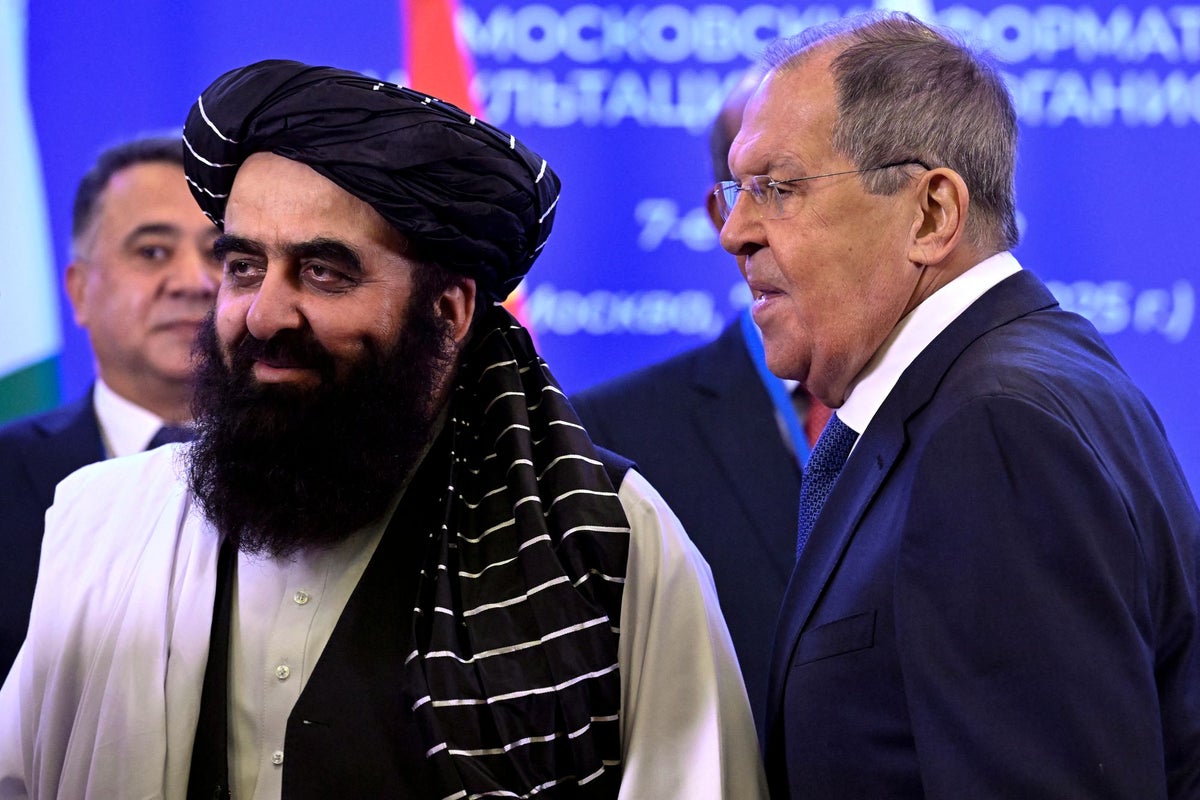
Moscow just made a massive geopolitical bet that shocked Western observers, but the tracking of this relationship reveals it isn't what it looks like on the surface. Russia officially removed the Taliban from its list of terrorist organizations and solidified a strategic partnership with the regime in Kabul. Instantly, the internet filled with speculation. Pundits started asking if we are about to see thousands of battle-hardened Afghan fighters deployed to the front lines in the Donbas.
It is an easy headline to click on. It is also completely wrong.
If you are tracking the Kremlin's foreign policy, you know Vladimir Putin is desperate for manpower and ammunition. He has pulled in North Korean troops. He has bought Iranian drones. But assuming the Taliban will send its infantry into the Ukrainian mud ignores the fragile reality inside Afghanistan. The Taliban needs Russia for economic survival and regional legitimacy, not as an employment agency for its fighters. Moscow wants a stable Central Asian buffer zone, not a few thousand tribal guerrilla fighters who don't speak Russian and have zero training in conventional, high-intensity drone warfare.
Let's look past the sensationalized headlines and break down exactly what this military pact actually means, why the fighter theory falls apart under scrutiny, and what this relationship means for global security.
The Reality of the Russia Taliban Military Partnership
Moscow's relationship with the Taliban is rooted in cold, hard realism. It is not an ideological alliance. For years, Russian diplomats maintained back-channel communications with the group, even while it was officially banned in Russia. Now, that relationship is formalized.
The core of this agreement centers on intelligence sharing, border security, and regional stabilization. Russia shares a massive interest in keeping the instability of Afghanistan from spilling over into former Soviet republics like Tajikistan and Uzbekistan. These Central Asian states are part of Russia’s immediate sphere of influence. A chaotic Afghanistan means drug trafficking, weapon smuggling, and radical ideas moving north toward Russian borders.
By upgrading its ties with Kabul, the Kremlin secures a guarantee that the Taliban will contain these threats. In return, the Taliban gets something it desperately craves: diplomatic recognition from a UN Security Council member and a major global power. This partnership is about survival for Kabul and stability for Moscow. It is a transactional deal between two isolated regimes trying to navigate a hostile international environment.
Why Taliban Fighters Aren't Headed to Ukraine
The idea of Afghan insurgents riding into battle alongside Russian contract soldiers makes for a dramatic story. But it makes zero sense logistically or strategically.
First, look at the nature of the war in Ukraine. This is an industrial conflict dominated by artillery duels, electronic warfare, mass drone surveillance, and deeply fortified trench lines. Taliban fighters are masters of asymmetric warfare. They spent twenty years fighting a brilliant guerrilla campaign in mountains and deserts using improvised explosive devices and small-arms ambushes. Those skills do not translate to surviving a multi-layered missile and drone bombardment in flat, open Ukrainian fields. They would be completely out of their depth.
Language and command barriers present another massive roadblock. The Russian military is already struggling to integrate foreign recruits and volunteers who cannot understand commands in Russian. Adding Pashto or Dari speakers into the chaotic mix on the front lines would create a logistical nightmare for local commanders.
Most importantly, the Taliban cannot afford to lose men. The regime faces a brutal, ongoing domestic insurgency from Islamic State Khorasan (ISIS-K). This branch of ISIS is a lethal enemy that regularly carries out bombings inside Kabul and targets Taliban officials. The Taliban needs every single reliable fighter it has to maintain its grip on power and prevent a civil war. Sending its best troops thousands of miles away to fight for Russia's territorial ambitions would be a suicidal move for the leadership in Kabul.
What Moscow Really Wants From Kabul
If Putin isn't looking for boots on the ground, what is the goal here? The answer lies in mineral wealth, regional leverage, and old Soviet military stockpiles.
Afghanistan is sitting on vast untapped mineral reserves, including lithium, copper, and rare earth elements. Russian mining companies want access to these resources. With Western sanctions choking Russia's access to global markets, finding new economic frontiers is vital for the Kremlin.
There is also the question of leftover military hardware. When the United States withdrew from Afghanistan, it left behind billions of dollars worth of military equipment. While much of it was rendered useless, vast stockpiles of Soviet-era ammunition, small arms, and artillery pieces remained in the country. Russia needs artillery shells and basic military hardware more than anything else right now. Securing access to these old depots is far more valuable to the Russian war machine than importing foreign infantry.
The Shared Enemy Holding the Deal Together
The glue keeping Moscow and Kabul aligned is a mutual hatred of ISIS-K. This group is a direct threat to both nations.
We saw the reality of this threat clearly during the horrific Crocus City Hall attack in Moscow, which was linked to ISIS-K networks operating out of Central Asia. Russia knows that the Taliban is the only force on the ground capable of physically suppressing ISIS-K networks inside Afghanistan.
[Global Terror Networks] ──> Threaten ──> [Russian Homeland]
                                                 │
                                           Needs Buffer
                                                 │
                                                 ▼
[Taliban Security Forces] ──> Suppress ──> [ISIS-K in Kabul]
This shared security crisis overrides everything else. For Russia, supporting the Taliban is a pragmatic counter-terrorism strategy. They are outsourcing the fight against a mutual enemy to a local actor willing to use brutal methods to achieve results.
How to Track This Evolving Alliance
Don't buy into panic-driven headlines about Afghan battalions on Europe's doorstep. If you want to understand where this partnership is actually going, you need to watch specific indicators.
- Monitor bilateral trade agreements: Watch for announcements regarding Russian energy shipments, particularly oil and gas, moving into Afghanistan in exchange for mineral mining rights.
- Track regional security summits: Pay close attention to meetings involving Russia, China, Pakistan, and Iran. These regional powers are attempting to build a consensus on managing Afghanistan without Western involvement.
- Look at weapon transfers: Watch for reports of logistical movements out of Afghanistan. If Russia begins extracting old Soviet ammunition stockpiles from Afghan warehouses, that will tell you exactly what Moscow valued in this pact.
The relationship between Russia and the Taliban is a marriage of convenience born out of isolation. It changes the geopolitical dynamics of Central Asia, but it will not change the kinetic reality on the battlefields of Ukraine. Keep your eyes on the economic deals and the counter-terrorism cooperation. That is where the real story lives.