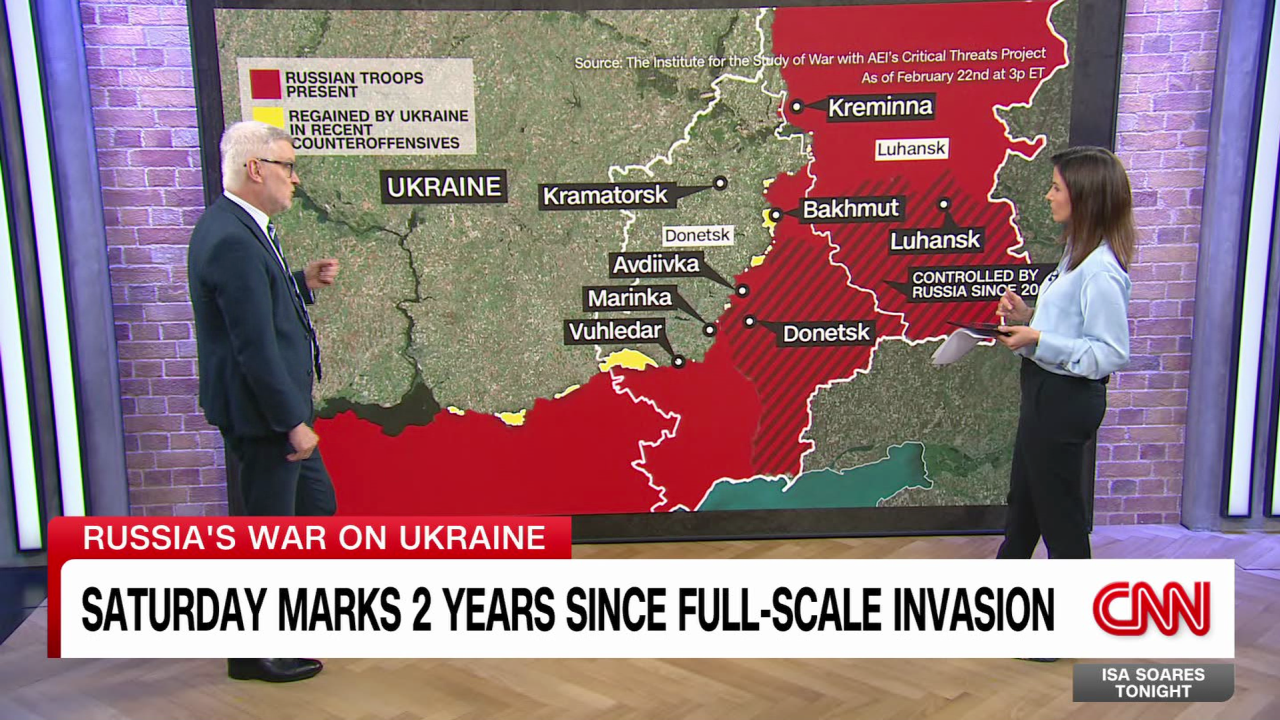
Vladimir Putin’s grandest stage is shrinking. Every year on May 9, Moscow’s Red Square usually turns into a massive show of force, a choreography of tanks and missiles meant to scream "superpower." But look at the map lately. From the border regions near Belgorod to the streets of occupied Crimea, the parades are disappearing. Security concerns aren't just a convenient excuse anymore. They're a glaring reality.
If you're wondering why a nation so obsessed with military pageantry is suddenly hiding its hardware, the answer is simple. Ukraine's reach has changed the math. Drones are hitting refineries deep inside Russian territory. Sabotage groups are active. The Kremlin can't guarantee safety for the massive crowds that usually gather to celebrate the 1945 defeat of Nazi Germany. It’s a massive blow to the "everything is under control" narrative that Putin has spent two decades building.
The security gamble the Kremlin can't win
Security isn't a suggestion in Russia. It's the foundation of the state. When the FSB and local governors start canceling "Immortal Regiment" marches—where people carry portraits of veteran relatives—you know the threat level is genuine. They’re terrified of a drone landing on a crowd or a concentrated strike during a live broadcast.
Imagine the optics of a Ukrainian strike hitting a parade in a major city like Voronezh or Kursk. It would destroy the image of the Russian military as an impenetrable shield. By canceling these events, the authorities are admitting that the war—or the "Special Military Operation" as they still insist on calling it—has come home. You can’t tell the public that victory is around the corner while simultaneously telling them it's too dangerous to walk down the street with a picture of their grandfather.
The traditional flyovers have also been scrapped in many locations. This isn't just about safety. It’s about resources. Every airframe and pilot is needed on the front lines. Using high-end fighter jets for a three-minute photo op over a provincial city is a luxury the Russian Air Force can't afford right now. The planes are busy dropping glide bombs or trying to intercept incoming Ukrainian ATACMS.
Why the tanks are missing from the cobblestones
One of the most embarrassing sights for the Russian Ministry of Defense in recent years was the 2023 parade in Moscow, which featured exactly one tank. And it was a T-34 from the 1940s. While 2024 and 2025 saw slightly more participation, the "scaling back" isn't just about fear of drones. It’s a logistics nightmare.
Russia has lost thousands of tanks in Ukraine. Puling modern T-90Ms or even older T-72B3s from the front lines just to drive them over Red Square creates a gap in the line. It also looks bad. If you have enough tanks for a parade but not enough to stop a breakthrough in the Donbas, your priorities are skewed.
The drone factor is real
Ukraine has gotten very good at long-range strikes. We’ve seen them hit the Kremlin dome itself. We’ve seen them hit airbases hundreds of miles from the border. A Victory Day parade is a static, predictable target. It's a logistical sitting duck. The Russian military knows this. They’ve seen the footage of their own tanks being picked off by $500 FPV drones. They don't want that happening on national television during the year's most important holiday.
The psychological impact of these cancellations shouldn't be underestimated. Victory Day is the secular religion of modern Russia. It's the one thing that supposedly unites the whole country. When that's disrupted, the social contract starts to fray. People start asking why the "world's second army" can't protect a parade in a city like Sevastopol.
Logistics of a diminished empire
Moving heavy equipment is expensive. It’s loud. It requires fuel and maintenance that is currently being diverted to the war effort. In cities like Belgorod, which faces daily shelling, the idea of a parade is basically laughable. But the cancellations are spreading further inland.
Regional governors are taking their cues from Moscow. If the capital is nervous, everyone else is petrified. They don't want to be the person responsible for a security lapse that ends up on a global news feed. Honestly, it’s a smart move for their careers, even if it’s a PR disaster for the nation.
No more Immortal Regiment
The "Immortal Regiment" was once a grassroots movement that the Kremlin co-opted to boost patriotism. Now, it’s being moved online. They’re asking people to put photos on car windows or social media profiles instead of marching. Why? Because a crowd of thousands is a target. Also, there's a darker reason. The authorities are likely terrified that people might start bringing photos of soldiers killed in the current war.
If the "Immortal Regiment" becomes a sea of faces from 2022, 2023, and 2024, the scale of the losses becomes impossible to hide. It shifts from a celebration of a past victory to a mourning of a present tragedy. That’s a narrative shift the Kremlin won't allow. They need the focus on 1945, not the mounting body count in the present day.
How Ukraine's strategy forced Russia's hand
Ukraine isn't just fighting a war of attrition. They’re fighting a war of perception. By launching daring assaults on Russian infrastructure and military targets, they’ve forced Russia to go on the defensive internally. This creates a massive dilemma for Putin.
If he holds the parades, he risks a catastrophe. If he cancels them, he looks weak. He’s chosen a middle ground—a smaller, controlled event in Moscow and almost nothing elsewhere. This fragmented approach tells its own story. It says that Russia is a country under siege, not a confident power celebrating a historic triumph.
The strikes on oil refineries have been particularly effective. Fuel shortages or high prices are bad enough, but seeing the smoke from a refinery while a military band plays "Svyashchennaya Voyna" is a jarring contrast. The Russian public is being forced to reconcile the propaganda on TV with the reality they see out their windows.
What this means for the war's trajectory
The scaling back of Victory Day is a signal that the war is in a grueling, defensive phase for Russia's domestic security. They're no longer pretending this is a quick operation that won't affect the average citizen's life. The front line has moved to the center of Russian culture.
Watch the Moscow parade closely. Pay attention to the types of vehicles shown. If it's mostly armored cars and a few vintage pieces, you know the supply of modern armor is under extreme strain. Also, look at the guest list. In years past, world leaders flocked to Moscow for May 9. Now, the dais is mostly empty, save for a few leaders from Central Asia or Belarus. Russia is isolated, and the parade reflects that isolation perfectly.
Don't expect the grand displays of the mid-2010s to return anytime soon. As long as the war continues and Ukraine has the capacity to strike deep, the Russian "Victory" will be celebrated behind high fences and heavy security cordons. The celebration of a victory 80 years ago is being choked by the failures of today.
If you're following the conflict, the state of the May 9 celebrations is your best barometer for the Kremlin's internal confidence. When the parades return to full strength, they'll feel they've won. Until then, the silence in the streets of provincial Russia speaks louder than any cannon fire. Watch the drone footage from the border regions over the next few days. It'll tell you more about the state of the war than any official speech from the Red Square podium.