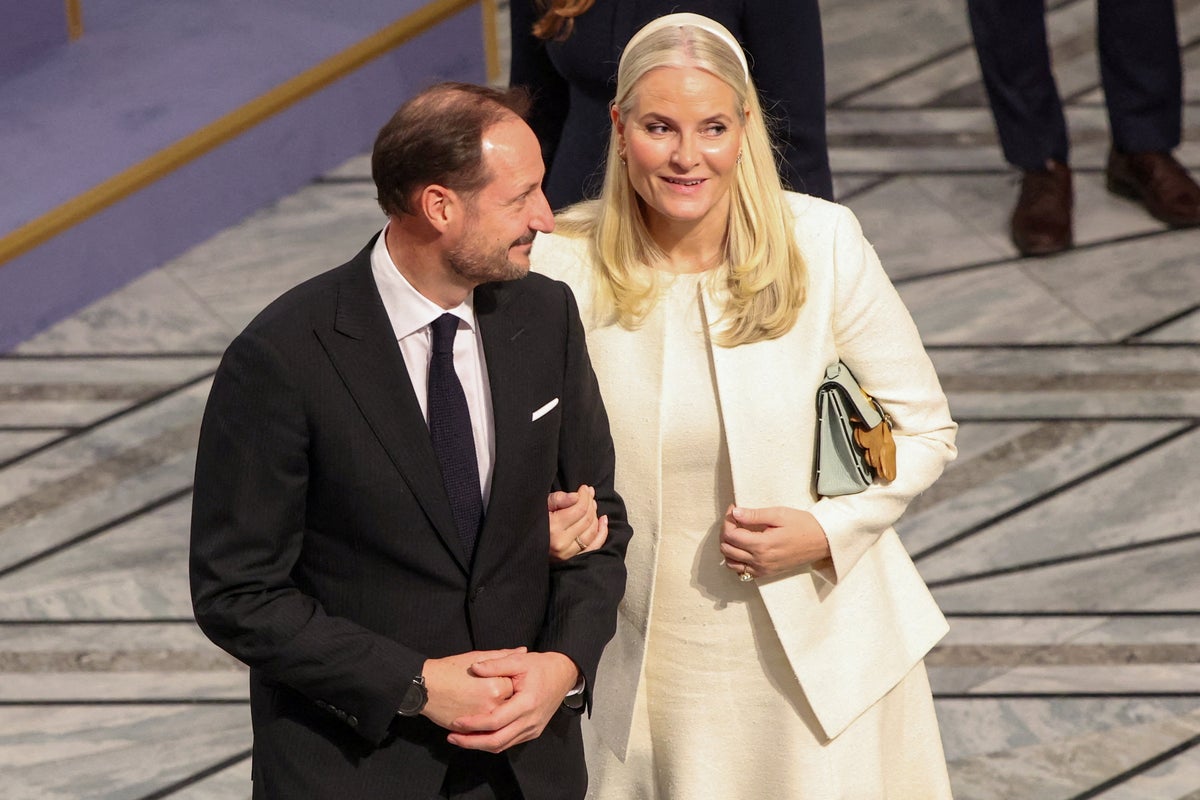
The media is currently awash with breathless, sycophantic praise for the Norwegian medical establishment following the successful lung transplant of Crown Princess Mette-Marit at Oslo University Hospital’s Rikshospitalet. The official palace statements read like a well-rehearsed corporate brochure: everything is "successful so far," the medical teams are "very pleased," and the public is encouraged to marvel at the triumph of Scandinavian medicine. Prime Minister Jonas Gahr Støre even applauded the crown princess for her openness, framing the event as a victory that helps everyone suffering from pulmonary fibrosis.
That narrative is complete garbage.
The mainstream press wants you to look at this event as a heartwarming testament to public health infrastructure. What they are hiding is the deeply uncomfortable truth about organ allocation, elite privilege, and the structural lies embedded within socialized medicine. The lazy consensus tells us that European healthcare is the great equalizer where billionaires and bus drivers wait in the same lines. This case obliterates that fantasy.
The Twelve Month Death Sentence and the Fortunate Fortnight
Let us look at the timeline. On June 5, Oslo University Hospital publicly announced that the 52-year-old crown princess had been placed on the lung transplant waiting list. Doctors explicitly stated that her condition was life-threatening and that she likely had less than one year to live without immediate intervention.
Exactly twelve days later, she received her new lungs.
To anyone who has spent years in the trenches of thoracic medicine or watched a loved one waste away on an organ registry, that twelve-day turnaround is not just extraordinary—it is statistically alien. In the real world, the median waiting time for a lung transplant across Eurotransplant nations and similar European systems typically stretches from several months to well over a year. Many patients die while waiting for their number to be called.
The establishment defense is predictable: allocation is based purely on medical urgency and lung allocation scores, not royal blood. They will tell you that her rapid deterioration naturally bumped her to the top of the pile.
But this defense ignores how the mechanics of clinical evaluation actually work. Before a patient ever touches an official waiting list, they must endure an exhaustive, months-long gauntlet of pre-transplant workups. They need psychological evaluations, compliance checks, cardiac catheterizations, and endless imaging. For an average citizen, scheduling these fragmented appointments within a congested public health system takes months. For royalty, the machinery moves at warp speed.
I have seen public hospital systems from the inside, and I know exactly how institutional panic operates. When a future queen is given a twelve-month terminal diagnosis, bureaucratic bottlenecks vanish. The pre-transplant evaluation process is compressed from a six-month marathon into a sprint. That accelerated preparation is a luxury ordinary citizens simply cannot access. By the time she officially hit the list on June 5, she had already been fast-tracked past the invisible barriers that slow down everyone else.
The Chronic Illness Monarchy PR Spin
The timing of this sudden medical urgency is also impossible to separate from the catastrophic PR crisis engulfing the Norwegian royal family. Just days before the transplant, Mette-Marit's eldest son, Marius Borg Høiby, was convicted of two counts of rape and domestic abuse, receiving a four-year prison sentence. Simultaneously, the princess has faced intense public scrutiny and dropping approval ratings over her past associations with convicted sex offender Jeffrey Epstein, for which she was forced to issue a public apology.
The palace has masterfully leveraged her genuine, chronic illness to shield the monarchy from accountability. By highlighting her use of a nasal cannula at public events and emphasizing her "life-threatening" state, the royal apparatus effectively weaponized medical vulnerability. It is a classic misdirection: who can aggressively interrogate a family about criminal scandals and questionable associations when the matriarch is actively fighting for breath?
The media fell for it hook, line, and sinker. They combined coverage of a serious judicial scandal with updates on her recovery, implicitly demanding empathy for an institution that is actively rotting from the inside.
The Grim Reality of Post-Transplant Survival
Another lie of omission perpetrated by the current coverage is the false promise of a cure. The public reads that the operation was "successful" and assumes the crisis is over.
It isn't. A lung transplant is not a cure; it is trading a rapid, predictable death for a highly volatile, unpredictable medical regime.
Pulmonary fibrosis involves a progressive buildup of scar tissue that destroys oxygen uptake. A transplant replaces the scarred tissue, but it introduces a lifelong battle against the host body. The immune system views the donor organ as a massive foreign invader. To prevent acute rejection, Mette-Marit will now have to take heavy doses of immunosuppressive medications for the rest of her life.
These medications are brutal. They do not just prevent organ rejection; they systematically dismantle the body's ability to fight off everyday pathogens. The first six months are notorious for lethal bacterial, viral, and fungal infections. Long-term use of these drugs frequently causes severe kidney toxicity, hypertension, and drastically increases the risk of developing aggressive malignancies. According to international registry data, the five-year survival rate for lung transplant recipients hovers around only 55 to 60 percent.
To frame this procedure as a definitive triumph is medically irresponsible. It sets a false expectation for families dealing with idiopathic pulmonary fibrosis, making them believe that a transplant means returning to a completely normal, uncompromised life.
Dismantling the Patient Equality Delusion
If you ask the public health authorities whether a wealthy elite receives better care in a universal system, they will point to strict algorithmic allocation models to prove they don't. They are asking the wrong question. The question isn't whether the algorithm favors the rich; it is who has the resources to survive long enough to satisfy the algorithm.
Consider what is required to maintain transplant eligibility:
- Constant Supervision: The palace announced Crown Prince Haakon will clear his schedule to oversee her recovery. Most working-class families face financial ruin if a primary earner stops working to become a full-time caregiver.
- Sterile Environments: Post-transplant patients require immaculate isolation to avoid opportunistic infections. There is a massive survival disparity between a royal recovering in a private estate and an average citizen returning to an apartment shared with school-aged children bringing home respiratory viruses.
- Immediate Intervention: When a transplant recipient spikes a minor fever, they need immediate, specialized tertiary care. Access is instantaneous when you have a direct line to the head of pulmonology at Rikshospitalet.
Admitting this truth does not mean abandoning public healthcare. But we must stop pretending that socialized systems eliminate the brutal advantages of wealth and status.
Stop looking at the royal recovery as a heartwarming medical miracle. It is a masterclass in elite crisis management, executed by a system that moves mountains for the powerful while the rest of the populace waits in line.