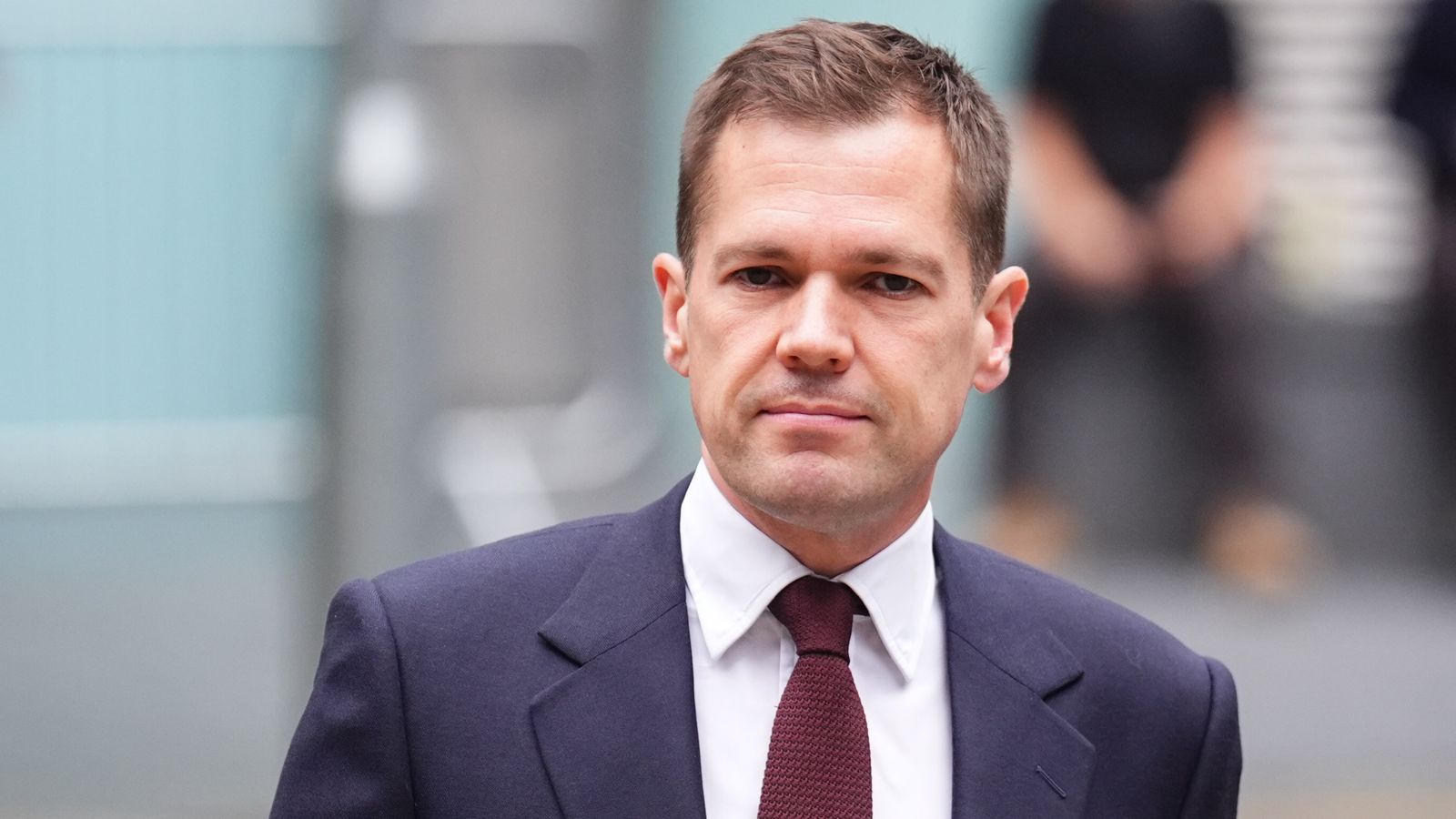
Robert Jenrick is back in the spotlight for all the wrong reasons. While political donations are a staple of British democracy, the latest revelation involving his wife’s legal work for a controversial donor feels different. It raises uncomfortable questions about where political influence ends and private interest begins. Michal Berkner, Jenrick’s wife and a high-flying corporate lawyer, reportedly represented a donor linked to a massive illicit funding investigation. This isn't just about a couple of quid in a party chest. It's about the optics of power in 2026.
People want to know if the system is rigged. When a politician's spouse provides legal services to the same people funding that politician’s career, the "arms-length" argument starts to look pretty flimsy. It’s messy. It’s complicated. Honestly, it's exactly the kind of story that makes voters tune out of the democratic process entirely.
Why the Michal Berkner Connection Matters
Michal Berkner isn't just a "politician's wife." She’s a partner at a major international law firm. Her job involves representing some of the wealthiest people and corporations on the planet. That’s her career, and she’s entitled to it. But things get murky when those clients are also funneling money into her husband’s political machine.
The donor at the center of this row has been linked to a wider probe into illicit funding. We’re talking about money that hasn't been properly accounted for or comes from sources that don't meet the transparency standards the public expects. When Berkner acts as the legal shield for such individuals, the conflict of interest isn't just a possibility. It’s the elephant in the room.
Politicians often claim they don't know who their donors are in a personal capacity. They say there's a "firewall." But how do you maintain a firewall at the dinner table? If your spouse is billing hours to a person who is also buying a table at your next fundraiser, the lines don't just blur. They vanish.
The Problem With Untraceable Political Cash
British politics has a transparency problem. We like to think we're better than the "dark money" culture of the United States, but we're catching up fast. The row surrounding Jenrick and this specific donor highlights a loophole that is basically a wide-open barn door.
Donations often come through unincorporated associations or complex corporate structures. These entities don't have to disclose their true backers in the same way an individual does. This allows "illicit" or at least "questionable" money to flow into the system. When a lawyer with intimate ties to the Cabinet or the opposition front bench is the one facilitating these deals, the public loses trust.
You see this pattern everywhere. A donor gives a six-figure sum. Suddenly, they get a meeting. Or a planning decision goes their way. Or their legal troubles seem to get a bit of a "soft touch" from the powers that be. Jenrick has been here before, specifically with the Westferry development. You’d think he would’ve learned to be more careful.
Breaking Down the Legal Loophole
The legal profession thrives on confidentiality. Client-attorney privilege is a cornerstone of the law. Berkner can quite rightly argue that she can't discuss her clients. However, the Ministerial Code is supposed to prevent even the appearance of a conflict.
Jenrick's defense usually rests on the idea that his wife’s professional life is separate from his. But the law firm she works for often deals with the very departments Jenrick has headed. This creates a feedback loop of influence.
- The donor provides the funds.
- The lawyer provides the protection.
- The politician provides the policy.
It’s a neat little circle. It stays legal on paper while failing the "sniff test" miserably. Voters aren't stupid. They see a donor involved in a row over illicit funds and they see the politician’s wife as the legal advisor. They draw the obvious conclusion.
The Reality of Political Donors in 2026
By now, you'd think we would have fixed this. We haven't. If anything, the hunt for political cash has become more desperate. The cost of running a modern political operation is astronomical. This leads to a "don't ask, don't tell" culture regarding where the money comes from.
The donor at the heart of the Jenrick story isn't an outlier. They are part of a growing class of "super-donors" who treat political parties like investment portfolios. If the investment is protected by the best legal minds—who happen to be married to the decision-makers—the ROI is almost guaranteed.
It’s not just a Tory problem, though they seem to be in the headlines for it more often lately. It’s a systemic failure. The Electoral Commission is often toothless. It can fine a party for a late filing, but it can’t stop the flow of money from dubious sources if those sources use the right legal intermediaries.
The Impact on Public Trust
Every time a story like this breaks, trust in Parliament drops another few percentage points. It feels like a private club. If you’re a donor with a top-tier lawyer, you’re in. If you’re a regular citizen trying to get a pothole fixed, you’re out.
The Jenrick-Berkner dynamic is a perfect illustration of the "revolving door" and the "inner circle" combined. It’s not just about what is legal. It’s about what is right. In a world where people are struggling with the cost of living, seeing a politician’s family benefit from a relationship with a donor accused of illicit funding is a slap in the face.
We need to demand better. Transparency shouldn't be an optional extra. It should be the baseline. If a donor is under investigation, any politician receiving their money should return it immediately. No excuses. No waiting for the legal process to finish. If the money is tainted, give it back.
How to Track These Connections Yourself
Don't wait for the newspapers to tell you who is funding your local MP. You can do the legwork yourself. It’s actually pretty straightforward once you know where to look.
First, check the Register of Members' Financial Interests. This is updated regularly and lists every penny an MP receives outside of their salary. Look for names of companies you don't recognize. Often, these are shells for larger donors.
Second, use the Electoral Commission’s search database. You can search by donor name or by party. If you see a name pop up frequently alongside legal disputes or "illicit funding" keywords in the news, you’ve found a red flag.
Third, look at the law firms involved. Many big firms have "Government Relations" departments. These are basically lobbying arms. If an MP’s spouse works there, check their client list against the MP’s committee assignments.
The Jenrick case isn't an isolated incident. It’s a symptom of a much larger rot. Until we change the laws around how parties are funded and how spouses' professional interests are disclosed, we'll keep seeing the same names in the same rows. Stop letting them off the hook with the "separate careers" excuse. Demand real transparency and hold them accountable at the ballot box.