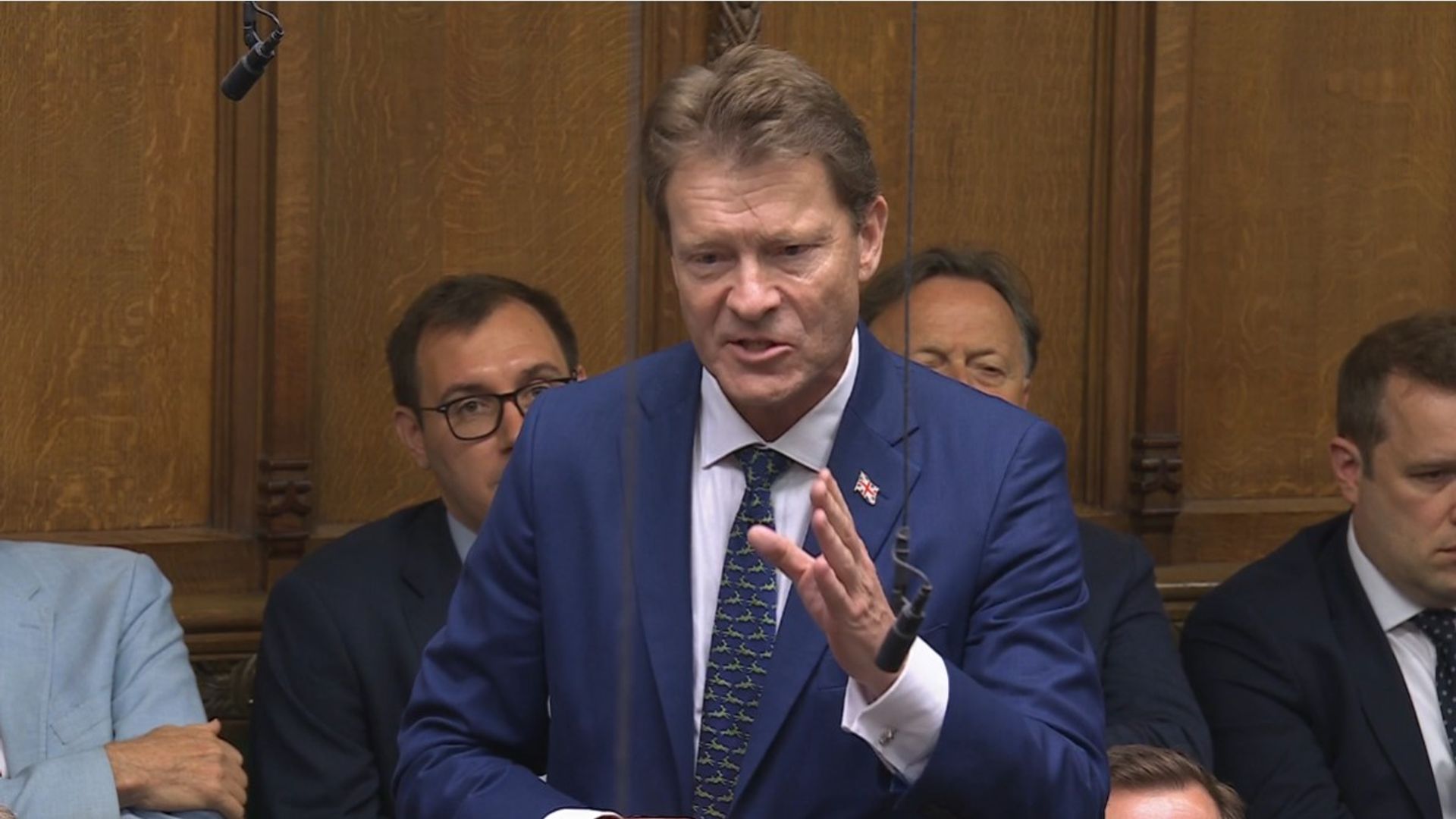
Thames Water is drowning in over £15 billion of debt, spilling sewage into rivers, and flirting with financial collapse. Yet the political debate surrounding its fate has taken an unexpected turn. When political figures from Reform UK start pointing fingers at northern metro mayors like Andy Burnham over a southern water utility, it shows just how chaotic the UK's infrastructure debate has become.
The crisis at Thames Water isn't just about leaking pipes or corporate greed. It's about a broken privatisation model that left millions of customers paying for financial engineering while equity investors walked away with billions. Now, political parties across the spectrum are scrambling to position themselves as the saviours of public utilities.
The Thames Water Meltdown Explained Simply
To understand why politicians are fighting over Thames Water, you have to look at how the company got here. Privatised in 1989 under Margaret Thatcher, Thames Water was handed to private owners with zero debt. Fast forward thirty-five years, and the company is carrying roughly £15 billion in debt obligations while its infrastructure crumbles.
Where did all that money go? Much of it went straight to private equity extraction. Macquarie, the Australian investment firm that owned a controlling stake between 2006 and 2017, paid out billions in dividends while piling massive debt loads onto the company's balance sheet. When interest rates spiked, the debt service costs exploded.
Now Thames Water faces a massive cash crunch. The company needs billions in fresh equity to repair ancient Victorian mains and stop raw sewage discharges. Existing shareholders have refused to pump in new cash, calling the regulator's price controls unviable. That puts the government in an uncomfortable corner: allow the company to go bust through Special Administration or force taxpayers to backstop the mess.
Why Reform UK Is Targeting Metro Mayors
The call for regional political figures like Greater Manchester Mayor Andy Burnham to take a stand on Thames Water might seem strange at first glance. Thames Water serves London and the Thames Valley, while Burnham governs Greater Manchester, where United Utilities operates.
So why bring Burnham into a Thames Water discussion? Because Burnham has been one of the most vocal advocates for bringing public transit and local services back under municipal control. By challenging prominent Labour mayors on water management and regional utility control, Reform UK is trying to expose perceived inconsistencies in Labour's policy platform.
Reform's political strategy here is clear. They want to appeal to working-class voters who are furious about high water bills and polluted rivers, while simultaneously mocking Labour's caution around full nationalisation.
- The political left wants outright nationalisation without compensation for bondholders.
- The political right historically favoured market solutions, but populist conservative voices now demand harsh penalties for failing utility bosses.
- Labour sits in the middle, pushing for tighter regulation and special management regimes without taking on the massive balance sheet costs of full state ownership.
By pushing figures like Burnham to take extreme positions, Reform attempts to steal the populist high ground on living costs and failing public services.
The Reality of Municipal Water Ownership
Taking control of a massive water company isn't as simple as signing an executive order. The legal, financial, and structural barriers to regional or municipal water takeovers in the UK are enormous.
First, water companies in England and Wales are structured around regional river basins, not political administration borders. Thames Water spans across dozens of local councils, London boroughs, and regional authorities. No single mayor has the legal mandate or financial capacity to assume control of such a vast network.
Second, the price tag for public acquisition is staggering. If the state takes over Thames Water directly, it might have to absorb billions in existing debt or face protracted legal battles with international bondholders. If local or regional authorities attempted a similar move, their credit ratings would collapse overnight.
Third, the operational liabilities are immense. Decades of underinvestment mean that upgrading sewage treatment plants and replacing leaky Victorian mains will cost tens of billions over the next decade. Owning the water company means owning those massive future capital expenditure commitments.
What Regulators Got Wrong for Decades
You can't blame political grandstanding without looking at the institutional failure of Ofwat, the water sector regulator. For decades, Ofwat permitted water companies to raise debt to pay dividends rather than enforcing strict reinvestment mandates.
Regulators operated under the assumption that private capital markets would always provide cheap funding for infrastructure upgrades. They failed to stress-test utility balance sheets against high interest rates or prolonged high inflation.
When financial engineering replaced operational excellence, customers lost out. Water bills climbed while river quality deteriorated. The public anger we see today isn't an overnight phenomenon; it's the result of thirty years of regulatory failure.
The Uncomfortable Options Ahead
There are no easy exits from the Thames Water trap. Every available path carries heavy financial or political costs.
Special Administration Regime (SAR)
Under an SAR, the government temporarily takes over the operational running of Thames Water to keep services running. Bondholders and debt owners take a significant haircut, wiping out bad investments. However, this could raise borrowing costs for other UK infrastructure projects, as investors panic about sovereign risk.Regulatory Bailout
Ofwat could allow Thames Water to raise customer bills significantly above inflation over the next five years. This saves the company from insolvency and pleases investors, but forces struggling households to pay for past corporate mismanagement.Restructuring and Debt Conversion
Lenders could agree to convert a large portion of Thames Water's debt into equity, taking ownership of the firm while writing down billions in bad loans. This fixes the balance sheet without taxpayer cash, but requires creditors to accept massive losses.
Real Steps for Fixing Broken Utilities
Political rhetoric won't fix leaking pipes or clear corporate debt. If Britain wants a functional utility sector, policy makers need to stop making soundbites and start enforcing structural changes.
First, ban dividend payments for any utility that fails to meet baseline environmental standards or maintains an unsafe debt-to-equity ratio. Capital must be reinvested into physical infrastructure before shareholders see a single penny.
Second, overhaul executive compensation schemes. Bonuses for water company executives should be directly tied to pollution reduction and pipe leakage targets, rather than short-term financial performance.
Third, give regulators teeth. Ofwat needs statutory powers to force balance sheet restructuring before a utility reaches the brink of bankruptcy, protecting both taxpayers and consumers from corporate mismanagement.
The debate over Thames Water is a warning sign for the entire UK infrastructure model. Whether politicians call for municipal takeovers or strict private regulation, the reality remains unchanged: someone has to pay for decades of neglect, and the bill has finally arrived.