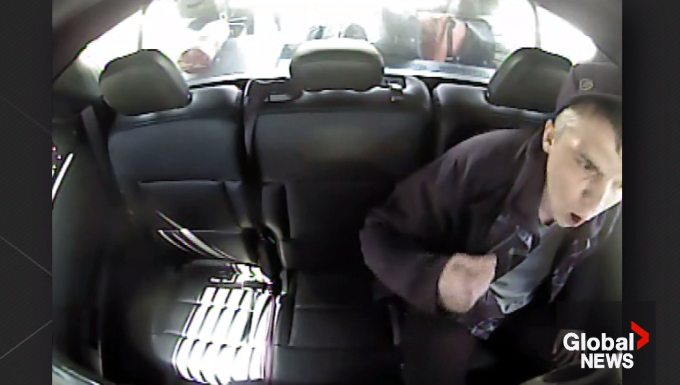
The camera doesn’t blink. It sits high up in the corner of a sterile, fluorescent-lit police interrogation room, capturing a moment that would later feel like a slow-motion car crash. On the tape, Justin Bone is pacing. He is restless. He rubs his face with both hands, the friction sounding sharp against the silence of the room. When he finally sits, he looks directly toward the officers, his voice carrying the frayed edge of someone running entirely on fumes.
"I’m not thinking right, right now," he confesses.
It was a plea. It was an admission. Above all, it was a warning.
A few days later, two people were dead.
When we read about violent crimes in the news, we are trained to look for monsters. We want a clear-cut villain because a monster is easy to categorize. A monster means the world is generally safe, except for the rare, terrifying anomaly. But the footage of Justin Bone, recorded just days before he committed a double homicide, shatters that comforting illusion. What the video reveals isn't a criminal mastermind executing a plot. It shows a human system in total, catastrophic failure. It shows a man slipping through the cracks of a safety net that was already nothing but holes.
The Geography of a Breakdown
To understand how a tragedy like this happens, you have to look at the invisible architecture of crisis. Mental health crises do not occur in a vacuum. They happen in real places—in cramped apartments, on rainy street corners, and inside underfunded county facilities.
Imagine a pressure cooker. Now imagine tightening the lid, turning the heat to high, and walking away. That is the baseline existence for thousands of individuals battling severe, untreated psychiatric conditions while navigating the legal system.
Bone was not an unknown variable. The police knew him. The social services framework knew him. In the days leading up to the killings, his behavior had been escalating, a series of frantic flares sent up into a dark sky. The video captured by law enforcement wasn't a random snapshot; it was part of an ongoing interaction between a man losing his grip on reality and a system that lacked the tools, the beds, or the mandate to hold onto him.
When he sat in that room and uttered those words—I’m not thinking right—he was handing over the keys. He was stating, as clearly as a person can, that his internal compass was broken.
But what happens when the system hears that confession? Usually, a bureaucratic shrug. If a person does not meet the exact, rigid criteria for an involuntary psychiatric hold at that exact micro-second, they are cut loose. They are sent back out into the world with a packet of pamphlets and a court date.
The Language of Slipstream
We often talk about "the system" as if it is a massive, sentient machine. It isn't. It is a collection of tired people, rigid protocols, and shifting budgets.
Consider the perspective of the frontline workers. An officer responds to a call. They encounter someone who is clearly unstable but hasn't yet crossed the legal threshold of being an immediate danger to themselves or others. The officer has two choices: make an arrest for a minor infraction, which clogs the jail, or leave the person on the street. Jails have become our de facto asylum system, a brutal environment that worsens psychosis rather than treating it.
This is the slipstream. It is the space where people like Bone exist—too sick for jail to help, too volatile for shelter systems to handle, and not wealthy enough to access private, long-term care.
During the recorded interaction, Bone’s desperation is palpable. He isn't just erratic; he is exhausted. Psychosis is physically draining. The brain is firing at a million miles an hour, interpreting normal stimuli as threats, weaving complex webs of paranoia. Imagine going days without sleep, convinced that the world is actively conspiring against you, while trying to articulate your need for help to a bureaucratic apparatus that requires calm compliance to offer assistance. It is a cruel paradox. To get help, you must behave rationally. If you could behave rationally, you wouldn't need the help.
The Cost of Looking Away
The victims of the subsequent tragedy paid the ultimate price for this systemic blind spot. Their names became footnotes in a crime report, their lives cut short by a predictable explosion of violence.
That is the hardest truth to swallow when reviewing cases like Justin Bone's. This wasn't an unpredictable lightning strike. It was a weather pattern that had been tracked on radar for weeks. The video serves as a haunting receipt—proof that the warning signs were logged, timestamped, and filed away before the storm hit.
We tend to look at these videos with a sense of detached horror. We watch them from the safety of our living rooms, shaking our heads at the failure of local authorities. But the failure belongs to a broader societal choice. We have decided, collectively, that it is cheaper and easier to manage the fallout of mental health tragedies through the justice system than it is to prevent them through sustained, aggressive healthcare intervention.
We see a man pacing a room. We hear him say he isn't right.
But the room is empty now, the tape has stopped rolling, and the damage is already done. The question that remains isn't why Justin Bone did what he did. The question is how many other people are sitting in similar rooms right now, giving the exact same warning, while we wait for the tape to catch up.