A single drop of oil in the Strait of Hormuz is more than a statistic. It is the lifeblood of a shivering flat in Lyon, the fuel for a delivery truck in a rain-slicked London suburb, and the invisible tether holding global markets back from the abyss. This narrow strip of water, a literal choke point where the world’s energy pulse beats loudest, is currently the most claustrophobic place on Earth.
Today, the air in the diplomatic corridors of London and Paris isn't just thin; it’s electric.
British and French officials are gathering for "crunch talks," a phrase that usually sounds like bureaucratic white noise. But strip away the suits and the mahogany tables. Look at what is actually happening. Two nuclear powers are huddling in a room because the maritime artery of the planet is beginning to spasm. They are looking at maps where the blue of the Persian Gulf meets the jagged coastline of Iran, calculating the distance between a "routine patrol" and a world-altering mistake.
The stakes are not abstract. They are as real as the price of bread.
The Shadow of the Strait
Imagine a captain on the bridge of a massive crude carrier. Let's call him Elias. Elias has spent twenty years at sea, but today his hands are tighter on the railing. He knows that twenty percent of the world’s total oil consumption passes through this one gateway. He knows that if a single mine is laid, or a single drone goes rogue, the insurance premiums on his vessel will skyrocket before he even hits the open ocean.
When the Strait of Hormuz tightens, the world feels it in its pockets. But Elias feels it in his chest.
The meeting between the UK and France is an admission of vulnerability. For decades, the West has relied on a fragile equilibrium in these waters. Now, that equilibrium is being shredded by a chaotic cocktail of proxy wars, shifting alliances, and the unpredictable rhetoric of superpowers. The "special relationship" and the European security architecture are being tested not in a courtroom, but in the choppy, gray-green waves where tankers must navigate a gauntlet of geopolitical tension.
The Warning from the Shore
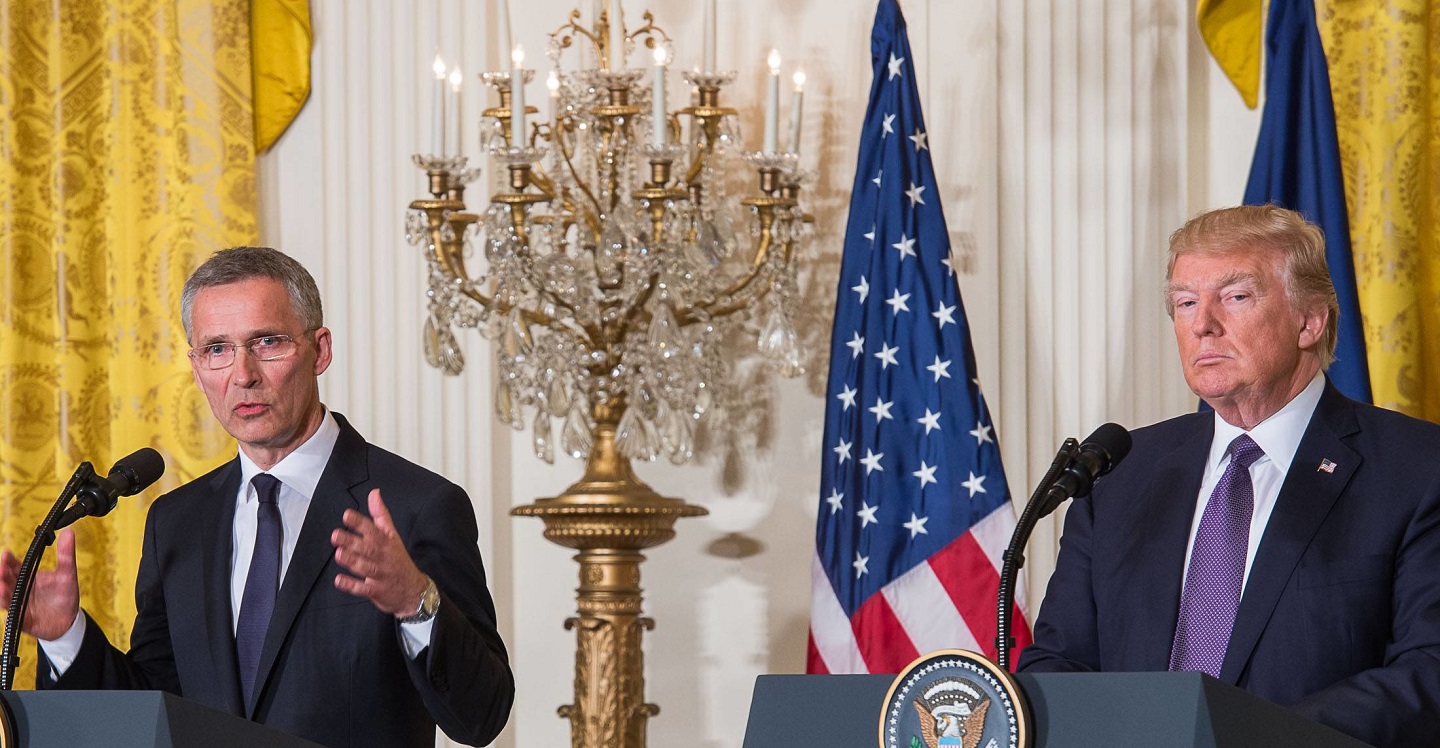
While the diplomats in Europe check their watches and prep their briefs, the rhetoric from Washington adds a layer of jagged glass to the floor. President Trump has issued a blunt directive to Hezbollah: "act nicely."
It is a bizarre choice of words for a paramilitary organization that operates in the shadows of a fragile Lebanese ceasefire. To "act nicely" suggests a playground dispute, but the reality is a powder keg. Hezbollah, backed by Iranian interests, sits at the heart of a regional influence machine that can flip the switch on stability at any moment.
When a superpower uses the language of a schoolyard enforcer, the nuance of traditional diplomacy dies. This puts the UK and France in an impossible position. They are the mediators, the old guards of "order," trying to prevent a wildfire while the wind is blowing from every direction. They are trying to hold the line on a ceasefire that feels less like a peace treaty and more like a collective holding of breath.
The Invisible Economy of Fear
We often talk about "market volatility" as if it were weather. It isn't. It is the sum total of human anxiety.
Consider the hypothetical small business owner in Manchester. She doesn't read the maritime journals. She doesn't track the movements of the French Navy. But she knows that her heating bill has doubled. She knows that the plastic components for her products are delayed. She is the collateral damage of a "crunch talk" she didn't know was happening.
The Strait of Hormuz is only twenty-one miles wide at its narrowest point. That is less than the distance of a marathon. Yet, through that tiny gap, the wealth of nations must squeeze. If the UK and France fail to coordinate a credible maritime security presence, the cost of protection will be passed down until it hits that shop owner in Manchester.
The talks today aren't just about ships. They are about the viability of the modern world’s supply chain. They are about whether we can still trust the map.
The Ceasefire on Paper
The ceasefire in Lebanon is currently the world’s most expensive Band-Aid. It is supposed to keep the border between Israel and Hezbollah quiet, but everyone involved knows it is held together by little more than hope and a lack of better options.
Trump’s warning to "act nicely" is a reminder that the United States is losing patience with the slow-motion dance of Middle Eastern diplomacy. It is a demand for a binary outcome—total compliance or total confrontation. But in the Levant, nothing is binary.
The UK and France understand this better than most. They have centuries of colonial baggage and diplomatic scar tissue in this region. They know that a ceasefire isn't the absence of war; it’s the presence of a delicate, agonizing labor to keep people from pulling triggers. When they meet today, they aren't just discussing the Strait. They are discussing how to prevent the entire region from cascading into a multi-front conflict that would make the current energy crisis look like a minor inconvenience.
The Human Toll of Strategy
Behind every "high-level discussion" are people who have no say in the outcome but will suffer the first blow.
There are the sailors on the tankers, scanning the horizon for the sleek, fast-moving hulls of Revolutionary Guard boats. There are the families in Beirut, wondering if the next headline will mean they have to pack their bags again. There are the French and British naval officers who are being told to prepare for "contingencies" that involve firing weapons in one of the most crowded waterways on the planet.
One mistake. That is all it takes.
A nervous radar operator, a misinterpreted signal, a poorly timed tweet. The machinery of war is so finely tuned and so heavily loaded that the friction of a single error can ignite the whole engine. This is why the talks are "crunch talks." This is why the atmosphere is heavy. They are trying to build a cage for a beast that has already smelled blood.
The Cost of Neutrality
For a long time, Europe tried to play the role of the "rational actor" between an aggressive Iran and a volatile United States. That middle ground is disappearing. The Strait of Hormuz doesn't care about neutrality. It only cares about who controls the flow.
If the UK and France decide to increase their naval presence, they risk being seen as an escalatory force. If they stay home, they leave the world’s economy at the mercy of whoever has the loudest gun. It is a choice between two different kinds of failure.
They are sitting in those rooms today trying to find a third way—a "way out" that doesn't exist on any current map. They are looking for a diplomatic miracle in a season of hardmen and ultimatums.
The Silent Night
Tonight, in the Gulf, the water will be dark. The tankers will move like ghosts, their lights reflecting off a surface that hides a thousand threats. In London and Paris, the lights in the foreign offices will stay on late.
The world waits for a communiqué, a joint statement, a sign that the adults in the room have found a way to keep the lights on for the rest of us. But the truth is more fragile than any press release can admit. We are living on the edge of a razor, and the wind is picking up.
The talks continue. The warnings are issued. The ships keep moving. For now.
Somewhere, a captain stares into the dark, watching the radar sweep, hoping that today is just another day of acting nicely.