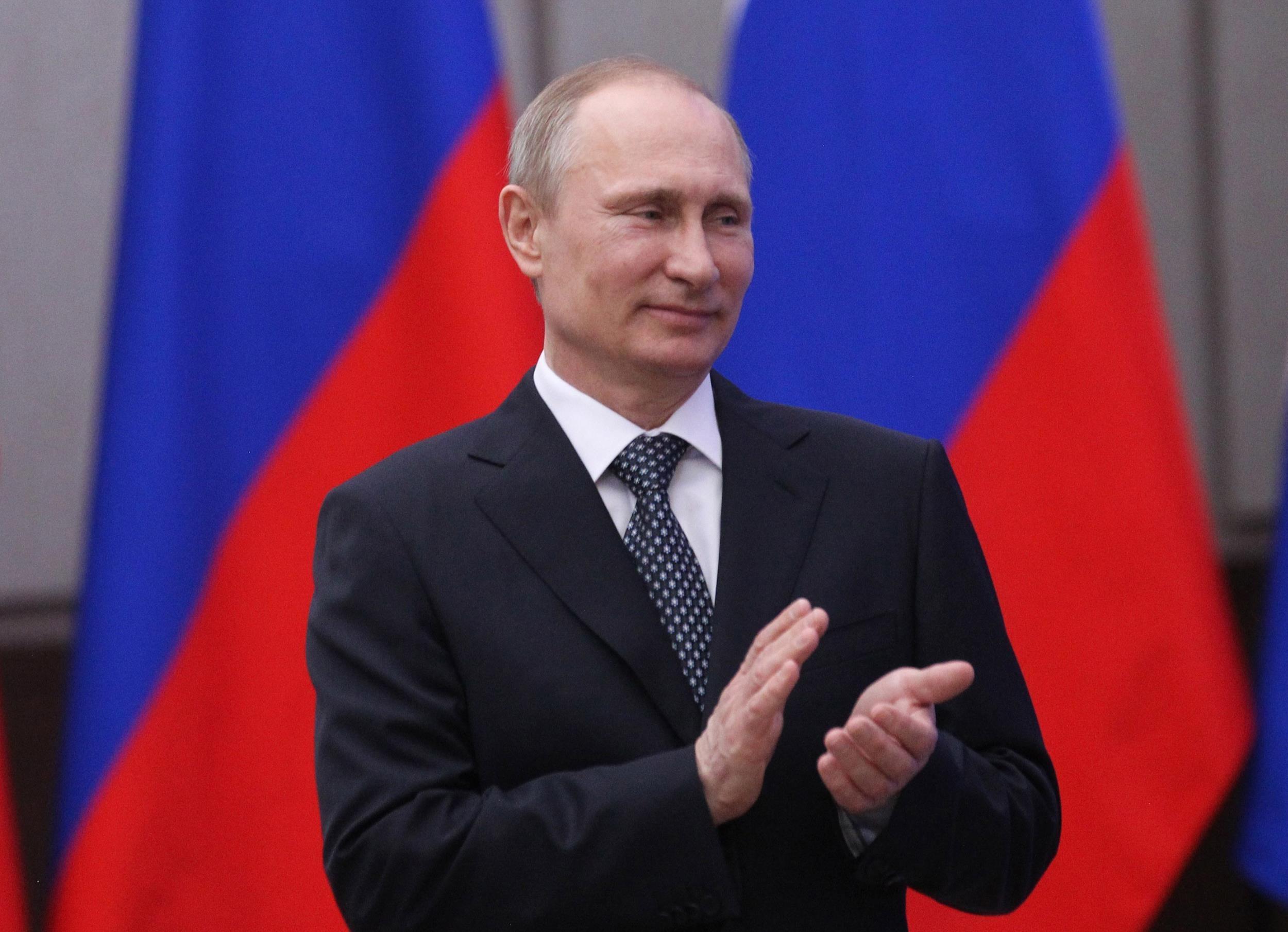
Vladimir Putin stood in Red Square and told the world that Russia will always prevail. It’s a bold claim, especially when you look at the grueling reality of the front lines in Ukraine. But Victory Day isn't just about history anymore. It’s a carefully choreographed display of modern defiance. If you want to understand where the Kremlin is heading, you have to look past the tanks and the marching soldiers. You have to look at the narrative being built for a domestic audience that’s being told they’re in an existential fight for survival.
This year’s parade wasn't just a celebration of the 1945 defeat of Nazi Germany. It was a bridge. Putin is explicitly linking the Great Patriotic War to the current "Special Military Operation." By doing this, he’s making the current conflict sacred. In his eyes, and in the version of history he’s selling, Russia is once again the world’s only bulwark against an aggressive, decadent West. He’s not just talking about winning a war; he’s talking about the inevitable triumph of a civilization.
The Message Behind the Might
When Putin says Russia will always prevail, he’s speaking to a specific kind of Russian resilience. He’s banking on the idea that the Russian people can endure more hardship than the West. It’s a gamble on "strategic patience." While Western democracies worry about election cycles and shifting public opinion, the Kremlin is digging in for the long haul.
The optics of the parade matter. While the heavy armor on display was notably thinner than in pre-2022 years—often featuring the iconic T-34 tank as a solitary reminder of past glory—the rhetoric was heavier than ever. Putin’s speech didn't offer an olive branch. He doubled down on the idea that Russia’s nuclear triad is on constant alert. This wasn't a speech for diplomats. It was a signal to the Russian military-industrial complex to keep the assembly lines moving.
Why the Prevail Narrative is Internal
Most Western analysts focus on how these speeches play in Washington or Brussels. That’s a mistake. The "Russia will always prevail" line is designed to quiet internal dissent. If the struggle is existential, then any sacrifice is justified. High inflation? It’s for the Motherland. Sanctions? They’re just proof that the West wants to destroy Russia.
Putin mentioned that the West is trying to "distort" the truth of World War II. This is a recurring theme. By claiming that the Soviet contribution to the defeat of Nazism is being erased, he triggers a deep-seated sense of grievance. It’s a powerful emotional tool. It turns a geopolitical conflict into a moral crusade. When you believe you’re fighting the same "evil" your grandfathers fought, you don't look for an exit ramp. You look for a total victory.
The Nuclear Shadow
We can't ignore the timing. Just before the parade, Russia announced drills involving tactical nuclear weapons. This wasn't a coincidence. Putin used the Victory Day backdrop to remind everyone that Russia remains a nuclear superpower. He basically said that Russia’s "strategic forces are always in a state of combat readiness."
It’s a blunt instrument. It’s meant to deter the West from increasing support for Ukraine. By framing the conflict as a battle where Russia must prevail or cease to exist, Putin is essentially saying that he’s willing to go to the brink. This isn't just bluster; it’s a core part of Russian military doctrine known as "escalate to de-escalate," though many experts now argue it's more about "escalating to win."
The Missing Pieces in the Victory Day Narrative
There’s a lot Putin doesn't say on the podium. He doesn't mention the staggering casualty rates or the economic strain of transitioning to a war economy. He doesn't talk about the brain drain as young professionals flee the country. To "prevail" in the way he describes requires a level of national unity that is often enforced rather than organic.
Russia’s economy has proven more durable than many expected, largely due to high oil prices and "shadow" trade routes. However, a war economy isn't sustainable forever. Massive state spending on defense is cannibalizing other sectors like healthcare and education. Putin’s version of "prevailing" might look like a win on a map, but the long-term cost to Russian society is something he carefully avoids in his 10-minute speeches.
What This Means for the Next Phase of the Conflict
If you’re waiting for a sudden Russian retreat or a pivot to peace talks, don't hold your breath. The Victory Day rhetoric confirms that the Kremlin sees no path back to the pre-2022 world. They’ve burnt the bridges.
- Expect more mobilization. Not necessarily a massive wave, but a constant, quiet "creeping mobilization" to keep the numbers up.
- Weaponry over welfare. The budget will continue to prioritize drones and shells over social services.
- Pivot to the "Global South." Putin is framing Russia as the leader of a "multipolar world" that stands against Western hegemony.
Russia is betting that Western unity will fracture before Russian resolve does. They’re watching the U.S. elections and European political shifts with eagle eyes. Putin’s "prevail" statement is a challenge to Western staying power. He’s saying, "I’m not going anywhere. Are you?"
Decoding the Symbolism
Every year, the "Immortal Regiment" march—where people carry photos of relatives who fought in WWII—is a massive part of the day. Recently, the government has been more controlling of these events. Why? Because they’re afraid that people might start carrying photos of those killed in Ukraine. That would bring the cost of the war too close to home.
The state needs the glory of the past to mask the grit of the present. They need the 1945 victory to serve as a guarantee of a future victory. It’s a psychological operation on a national scale.
Staying Informed on the Reality
To understand the actual state of play, you need to look at data points that aren't mentioned in Red Square speeches. Watch the Russian Central Bank’s interest rate decisions—they’re a better indicator of the war’s cost than any parade. Track the volume of satellite imagery showing new factory expansions in the Ural mountains.
The "prevail" narrative is a powerful drug, but it doesn't change the laws of economics or the reality of modern attrition warfare. If you want to see through the smoke of the Victory Day fireworks, watch how Russia handles its labor shortages and its growing dependence on foreign technology.
If you’re following this closely, start looking at independent military assessments from organizations like the Institute for the Study of War (ISW). They provide the tactical context that Putin’s grand rhetoric ignores. Don't take "prevailing" as a given just because it’s shouted from a podium. Look at the logistics. Look at the maps. Look at the math. That’s where the real story of the war is written, far away from the polished cobblestones of Red Square.