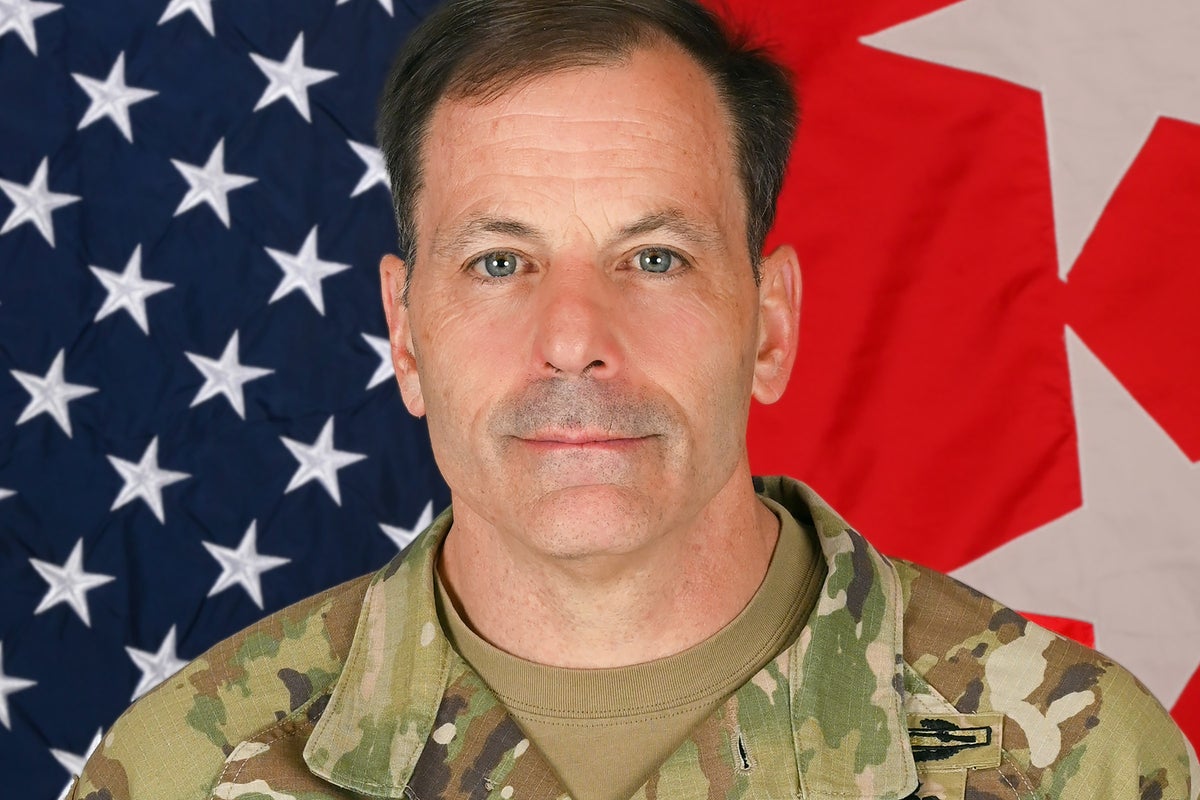
The Pentagon is undergoing its most radical leadership transformation in a generation. Defense Secretary Pete Hegseth is systematically removing senior military officers who oversaw the chaotic final years of the war in Afghanistan. The symbolic climax of this sweeping institutional overhaul arrived with the quiet retirement of General Christopher Donahue, the commander who famously stepped onto the final C-17 transport plane out of Kabul in August 2021. This is not a standard rotation of command. It is a deliberate, politically charged restructuring designed to break the hold of the post-9/11 military establishment.
To understand why this matters, one must look beyond the official retirement announcements. The departure of high-ranking generals represents a fundamental shift in how the American military views its own history and its future leadership. For three decades, advancement through the flag officer ranks required adherence to a specific doctrine of counterinsurgency and international coalition building. That era is officially dead. The current administration is treating the failure in Afghanistan not as a collective policy mishap, but as a failure of military leadership that requires a top-to-bottom clearance of the joint staff.
The Operational Meaning of the Hegseth Sweeps
The civilian leadership at the Department of Defense is operating on a specific premise. They believe the current crop of generals has become overly bureaucratic, risk-averse, and distracted by non-military objectives. By forcing out officers associated with the withdrawal from Afghanistan, the administration seeks to install a new cadre of leaders focused exclusively on conventional lethality and great power competition.
This process relies on an often-overlooked bureaucratic mechanism. The Defense Secretary cannot simply fire a four-star general without cause, but the administration can effectively force retirements by withholding key assignments or making it clear that promotion paths are permanently blocked. When a general is passed over for a combatant command or a seat on the Joint Chiefs of Staff, the writing on the wall is clear. They retire.
The sudden vacancies created by these forced departures are causing significant friction within the service branches. Mid-career officers—colonels and brigadier generals—are being thrust into senior leadership positions ahead of traditional timelines. While proponents argue this injects fresh thinking into a stagnant system, critics within the defense community warn of a dangerous loss of institutional memory. The military cannot easily replace decades of operational experience in logistics, joint warfare, and international diplomacy.
The Conflict Over Tactical Accountability
A core tension exists between the civilian reformers and the traditional military hierarchy regarding who bears responsibility for the strategic failures of the past two decades. The prevailing view among the new Pentagon leadership is that senior commanders failed to provide honest assessments to civilian leaders during the Afghanistan conflict, choosing instead to manage a stagnant war effort while advancing their own careers.
Conversely, defender organizations of the traditional military structure argue that the military successfully executed the civilian commands it was given. In their view, the chaotic withdrawal from Kabul was the inevitable result of flawed political timelines, not tactical incompetence. By punishing the generals who executed the exit, the administration risks creating a culture of fear where future commanders will hesitate to offer candid, unvarnished advice to their civilian overseers.
Rebuilding the Chain of Command Around Great Power Conflict
The personnel changes are directly tied to a massive reallocation of the defense budget. Resources are moving rapidly away from counterterrorism infrastructure and toward high-tech procurement for potential conflicts in the Pacific and Eastern Europe. The officers now being elevated are individuals whose careers were built around naval strategy, long-range precision fires, and cyber warfare, rather than desert counterinsurgency.
This shift involves concrete changes in how the military trains and equips its forces.
- De-emphasizing asymmetrical warfare training at the service war colleges in favor of large-scale combat operations simulation.
- Accelerating the retirement of legacy hardware used in Iraq and Afghanistan to fund advanced drone integration and hypersonic missile defense.
- Restructuring regional commands to give greater autonomy to the Indo-Pacific theater at the expense of Central Command.
The risk in this rapid pivot is the potential for strategic blindness. While preparing for a near-peer conflict with a nation-state is necessary, history demonstrates that the United States rarely gets to choose the exact type of war it fights. Eliminating the entire generation of leaders who understand the nuances of asymmetric warfare could leave the nation vulnerable if it is drawn into another unconventional conflict.
The Long Term Impact on Military Ap政治化
The most significant danger of the current Pentagon restructuring is the perception of partisan alignment within the officer corps. When senior military departures are tied so visibly to political shifts, it threatens the foundational American principle of a non-political military. Future administrations may feel emboldened to conduct their own purges, leading to a system where generals are selected for ideological loyalty rather than strategic competence.
This erosion of trust extends down to the rank-and-file service members. Junior officers are watching how their leaders are treated, and many are adjusting their career expectations accordingly. The focus is shifting from mastering tactical proficiency to navigating the shifting political winds of Washington. If the perception takes root that promotion is determined by political alignment rather than merit and combat readiness, the retention crisis currently facing the armed forces will likely worsen.
The departure of the last soldier from Kabul marks the end of a chapter, but the internal conflict over the legacy of that war is only beginning. The transformation of the Pentagon leadership under Pete Hegseth is a high-stakes gamble that a leaner, more politically aligned command structure can successfully prepare the nation for the conflicts of tomorrow, even as it cuts ties with the painful lessons of yesterday.