The envelope sat on the kitchen table for three days before Sarah opened it. It was thick, heavy, and bore the distinct, sterile logo of her health insurance provider. In the quiet of her apartment, just as the evening light began to fade, she finally slid her thumb under the flap.
One number stood out, printed in bold black ink near the bottom of the first page: $412. Building on this topic, you can also read: The 17-Stone Child Fatality is a Failure of Architecture Not Just Parenting.
That was her new monthly premium. The previous month, she had paid $45.
Sarah is a hypothetical composite of the millions of freelance workers, independent contractors, and small business owners across America, but her panic is entirely real. For the past few years, a quiet financial cushion kept her afloat. Federal subsidies, expanded during a period of economic upheaval, had picked up the majority of her healthcare tab. But those expanded subsidies had an expiration date. When the clock ran out, the safety net vanished, leaving Sarah and millions like her staring at a bill they couldn't pay. Analysts at National Institutes of Health have provided expertise on this matter.
Panic has a specific weight. It sits in the chest, making every breath feel shallow. Sarah did what roughly three million Americans are estimated to do when faced with the same sudden math. She logged into the online portal, clicked through three separate confirmation screens warning her of the risks, and canceled her policy.
She crossed her fingers. She prayed she wouldn't get sick.
The Illusion of the Affordable Safe Zone
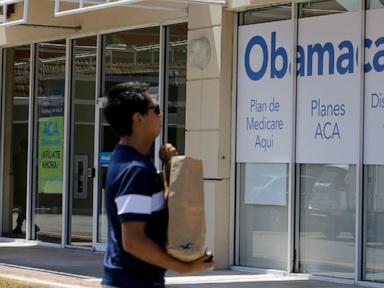
To understand how we arrived at this cliff, we have to look at how the math of American healthcare actually functions. The Affordable Care Act, frequently called Obamacare, was designed to create a marketplace where individuals could buy insurance outside of a traditional corporate job. But for a long time, the marketplace had a glaring flaw. If you earned just a dollar over a certain threshold, your financial assistance vanished completely.
Then came a temporary fix. The government boosted the Premium Tax Credits, capping the amount anyone would have to pay for insurance at 8.5 percent of their income. Suddenly, the marketplace worked the way it was always supposed to. People who had avoided the doctor for a decade finally scheduled checkups. Parents bought inhalers without checking their bank balances first.
It felt like a permanent shift. It wasn't.
The expanded subsidies were always a temporary bridge, a policy with a built-in self-destruct timer. When Congress allowed those expansions to sunset, the financial shockwave hit the middle class instantly.
Consider the mechanics of the change. A family earning $60,000 a year might have seen their monthly premium drop to a manageable $120 under the enhanced system. Without those subsidies, that same policy can easily rocket past $500 a month. That is not an incremental adjustment. That is a rent payment. That is a car note. That is the entire monthly grocery budget for a family of four.
When policy experts in Washington talk about "subsidy expiration" and "market stabilization," they are using sterile language to describe a brutal reality. The choice for a massive slice of the population isn't between different tiers of coverage. The choice is between having health insurance and buying food.
The Hidden Cost of Walking Away
When millions of people drop their insurance simultaneously, the damage ripples far beyond the individuals who lose coverage. The entire system begins to tilt.
Insurance relies on a basic concept: a large pool of people paying into a system to balance out the costs of the few who need expensive care. The system needs healthy people. It needs the young freelancers, the nimble construction workers, and the web designers who rarely see a doctor to keep the financial pool stable.
But when prices spike, who drops out first? The healthy people.
If you have a chronic illness or a condition requiring expensive daily medication, you will starve yourself before you drop your insurance. You will cut back on everything else because staying insured is a matter of immediate survival. But if you are relatively healthy, like Sarah, you take the gamble. You decide that $400 a month is too high a price to pay for a "just in case" scenario.
Think about what happens next. The healthy people leave the marketplace. The only people left in the insurance pool are the sickest, most expensive patients. To cover those rising costs, insurance companies raise premiums even higher the following year. This is what economists call a premium spiral. It turns the marketplace into a luxury product, accessible only to the very wealthy or the heavily subsidized, while leaving the working middle class entirely stranded in the cold.
The tragedy is that walking away from insurance doesn't actually save money in the long run. It just shifts the debt.
A month after canceling her policy, a hypothetical worker like Sarah trips on a curb. A simple fracture. An evening in the emergency room. Without insurance, that single incident yields a bill totaling thousands of dollars. The hospital eventually sells that debt to a collection agency. The worker’s credit rating is destroyed. They can no longer qualify for a car loan or an apartment lease.
The individual is broken financially, and the hospital absorbs the cost of uncompensated care, which forces them to raise prices for everyone else. No one wins. The illusion of a savings is shattered by the first cracked bone or sudden fever.
The Human Factor in the Cold Math
It is easy to get lost in the spreadsheets of policy rollouts. We talk about percentages, enrollment dips, and fiscal years. But the true story of American healthcare is written in the small, quiet choices made around kitchen tables late at night.
It is the story of an aging contractor who decides to skip his annual heart screening because the specialist copay is now too high. It is the story of a mother who stretches a thirty-day supply of insulin to last forty-five days, hoping her body won't notice the difference. It is the quiet anxiety that colors every playground visit, every highway drive, every winter flu season.
The system treats health as a commodity, a line item that can be adjusted based on the prevailing political winds in Washington. But health is not a television subscription. You cannot simply hit pause when the price goes up and resume when things get better. The human body does not care about legislative calendars.
The current drop in enrollment isn't a sign that people no longer want coverage. The demand hasn't changed. Millions of Americans want the peace of mind that comes with knowing a medical emergency won't destroy their children's future. They are leaving because they have been priced out of their own lives.
The light in Sarah’s kitchen eventually went out. The laptop was closed, the portal account deactivated, the heavy paper envelope tossed into the recycling bin. She went to bed hoping that tomorrow would be a safe day, that her body would hold together, and that the fragile gamble she had just made wouldn't come back to crush her.