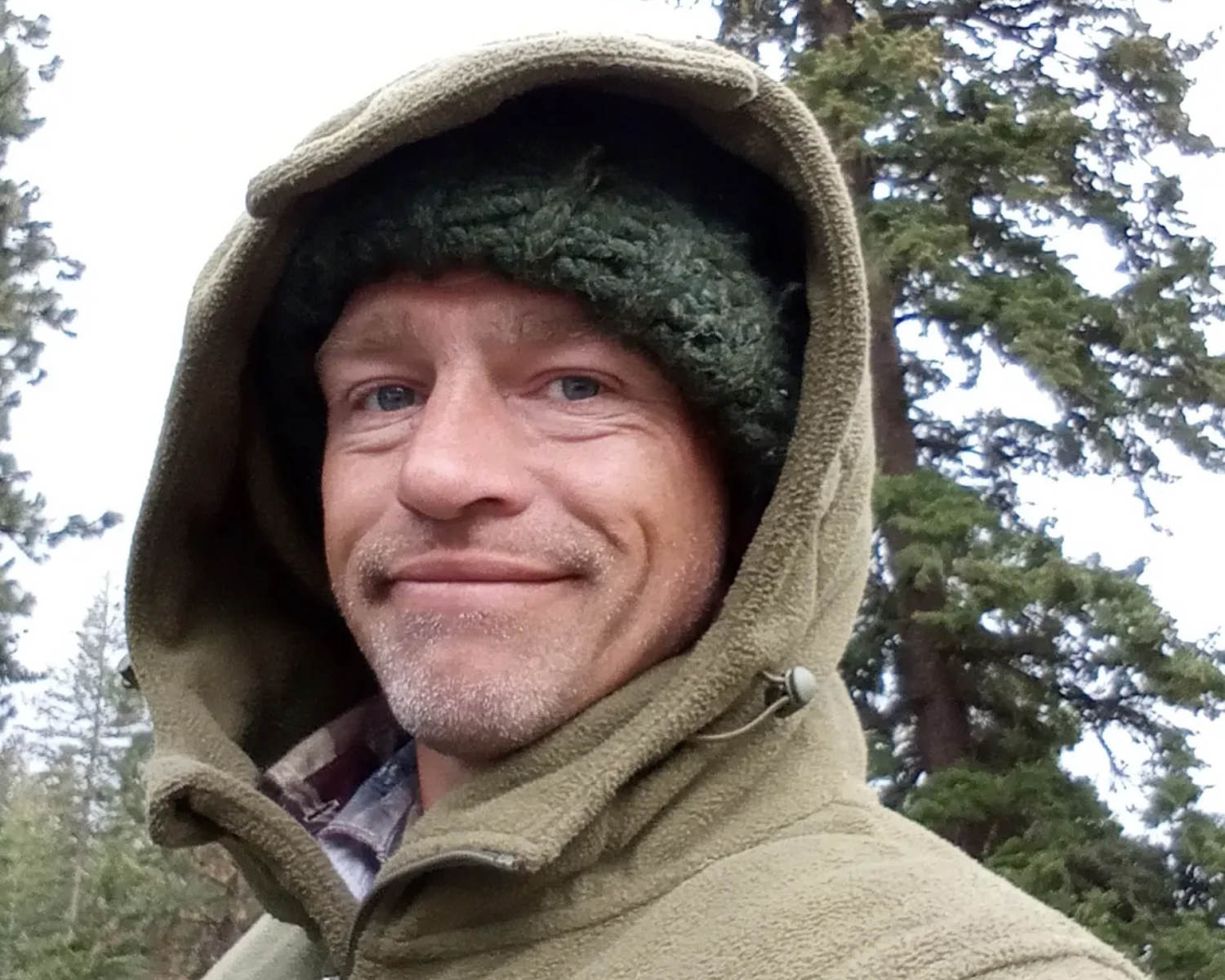
Matt Brown, the eldest son of the reality television family featured on Discovery Channel’s Alaskan Bush People, has died at the age of 43. His body was recovered from the Okanogan River in Washington state following an intensive multi-day search by local authorities. The tragic discovery, confirmed by his brothers Bear and Noah Brown, brings a bleak, definitive end to a years-long public struggle with addiction, isolation, and the unique psychological pressures inherent to the modern reality television industry.
The Okanogan County Sheriff's Office reported that the incident began when a bystander observed a man sitting in the shallow waters of the river south of Oroville, Washington. According to official statements, the witness heard a sudden sound after turning away, only to look back and find the individual face down, drifting with the current. Emergency personnel later recovered a firearm from the water near the scene. Due to hazardous river conditions, the initial recovery operation faced delays, but over the weekend, family members assisted authorities in pulling the reality star's body from the water and executing a positive identification.
While a final coroner's report is pending, the family has acknowledged that the evidence points to a self-inflicted injury.
The Illusion of the Untamed Wilderness
To understand the trajectory that led to a rural Washington riverbank, one must examine the machinery behind Alaskan Bush People. Debuting in 2014, the program marketed the Brown family—patriarch Billy, matriarch Ami, and their seven children—as a clan so far removed from modern civilization that they spoke with a distinct, collective accent and allegedly lived entirely off the grid.
The show was a massive commercial success for Discovery Channel, running for 14 seasons and drawing millions of viewers fascinated by the family's survivalist lifestyle. However, the contrast between the produced narrative and reality was stark from the beginning. Local Alaskans frequently pointed out that the family’s "remote" homesteads were often within walking distance of local businesses or comfortable lodging. In 2016, Billy and Joshua "Bam Bam" Brown pleaded guilty to unsworn falsification for claiming dividends from the Alaska Permanent Fund while actually living outside the state for extended periods.
For the children involved, this meant navigating a dual existence. They were performing a hyper-stylized, primitive version of themselves for a global audience while dealing with the very modern logistical and financial complexities of a highly profitable entertainment product. As the eldest sibling, Matt Brown bore the brunt of this exposure early on.
The Cost of the Spotlight
Addiction does not occur in a vacuum, but the environment of unscripted television presents distinct hazards for individuals predisposed to substance abuse. Matt's battles with alcohol were visible on screen as early as 2016, leading to his first stint in rehabilitation. By 2019, his escalating struggles resulted in his permanent departure from the series.
When a reality television figure exhibits signs of mental health crises or addiction, the production entity faces an ethical crossroads. In the early eras of unscripted TV, erratic behavior was frequently commodified as entertainment—fuel for dramatic trailers and high ratings. While modern networks have instituted more rigorous psychological support and talent management protocols, the fundamental structure of the industry remains transactional.
Once a cast member becomes too volatile to film, they are often severed from the production structure. For a traditional actor, this means seeking another role. For a reality star whose entire public identity is explicitly tied to being a member of a specific family unit on screen, the severing of professional ties frequently mirrors or accelerates a severing of personal ones.
Estrangement in the Digital Echo Chamber
Following his departure from the show, Matt relocated to Washington state, attempting to build a life away from the television cameras. Yet, the cameras never truly disappeared; they merely shifted from network television to social media platforms.
In the years leading up to his death, Matt maintained a digital presence through YouTube and Instagram videos. These dispatches offered a raw, unedited counter-narrative to the polished survivalism of Alaskan Bush People. He spoke openly about his sobriety, his grievances with the show's production, and allegations concerning the management of the family’s finances by his late father, Billy Brown, who passed away in 2021.
The nature of modern celebrity culture ensures that an estranged public figure is never truly isolated, yet never genuinely connected. Matt’s digital channels became a battleground for fans, critics, and internet sleuths. Every video was parsed for clues regarding his sobriety or his relationship with his siblings.
This public scrutiny reached a crisis point in the days preceding his death. A highly erratic livestream broadcast to his channel generated widespread alarm among viewers, prompting his brother Bear to publicly request that followers stop sending money directly to Matt, citing concerns that the funds were fueling a relapse. The family maintained that they had not abandoned Matt, but rather that his struggles had caused him to distance himself entirely from the family structure.
The Accountability Gap in Reality Casting
The tragedy highlights an ongoing conversation within the entertainment industry regarding the long-term duty of care owed to reality television participants. Unlike scripted performers protected by robust union regulations, SAG-AFTRA coverage, and residual structures, reality television talent historically operates under highly restrictive, non-union contracts.
| Factor | Scripted Television Talent | Reality Television Talent |
|---|---|---|
| Union Protection | Standardized SAG-AFTRA coverage | Seldom covered; minimal collective bargaining |
| Identity Separation | Plays a fictional character; high privacy | Performs as self; personal life is the product |
| Post-Show Support | Independent career mobility | Limited; heavily dependent on initial franchise fame |
When a network builds a multi-million dollar franchise around the personal lives, eccentricities, and vulnerabilities of a real family, the boundary between exploitation and entertainment blurs. The psychological toll of living out a manufactured identity for a decade, coupled with the sudden withdrawal of the network support apparatus once an individual becomes a liability, creates an acute vulnerability.
The Okanogan River investigation will eventually close with a formal cause of death, providing a legal conclusion to a public tragedy. For the entertainment industry, however, the questions regarding the human cost of unscripted programming remain unanswered. The wilderness portrayed on television was a carefully managed illusion, but the isolation and despair that followed it were entirely real.