The death of a patriarch in a family-controlled conglomerate often triggers a "liquidity cascading failure" where creditors, sensing a vacuum in leadership and a shift in risk appetite, accelerate debt recovery. For the estate of the late Tang Shing-bor, often referred to as Hong Kong’s "Shop King," the HK$130 million lawsuit filed by the Bank of East Asia (BEA) just days after his death is not an isolated legal event. It is a structural signal of the collapsing bridge between speculative asset valuation and cash-flow reality. The crisis facing the Tang family serves as a case study in the fragility of highly leveraged property portfolios during interest rate pivots and leadership transitions.
The Triad of Institutional Risk
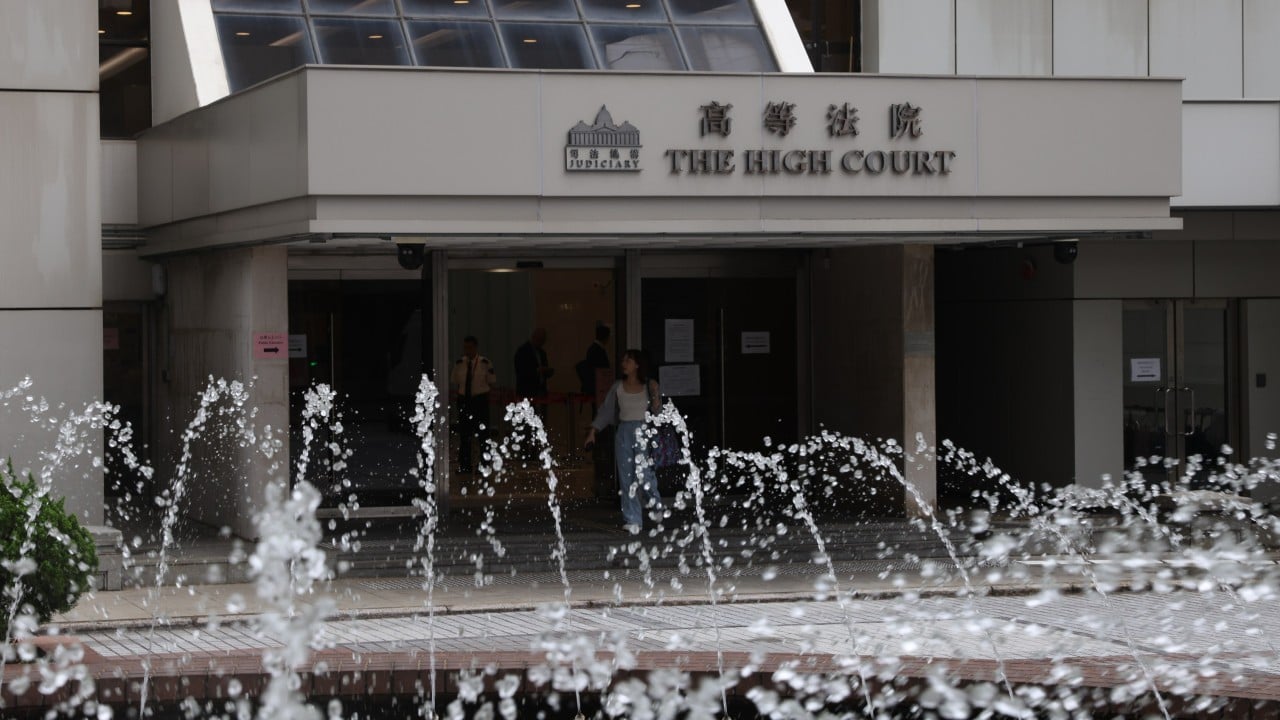
The litigation initiated by BEA targets specific credit facilities—HK$120 million in term loans and a HK$10 million revolving credit facility—guaranteed by the late founder. To understand the gravity of this suit, one must map the three institutional pressures currently acting on the estate’s assets. If you liked this piece, you should check out: this related article.
- The Guarantee Void: In private banking and commercial lending, "Key Man" clauses or personal guarantees are the primary security for high-risk lending. The moment the guarantor passes away, the risk profile of the loan shifts from "secured by reputation/assets" to "secured by an estate in probate." Banks frequently use this transition to trigger repayment options to avoid being trapped in years of inheritance litigation.
- The Valuation-LTV Mismatch: Hong Kong’s commercial sector, particularly industrial buildings and retail shops—the core of the Tang portfolio—has seen significant valuation compression. When the Loan-to-Value (LTV) ratio exceeds a specific threshold (often 60-70%), covenants are breached.
- The Opportunity Cost of Forbearance: In a high-interest-rate environment, banks have little incentive to "extend and pretend." If a bank can recover capital now and redeploy it at current market rates or into lower-risk assets, they will prioritize litigation over restructuring.
Mechanics of the Tang Portfolio Distillation
The Tang Shing-bor empire was built on a strategy of "Industrial-to-Commercial Conversion." This involves acquiring undervalued industrial space and seeking government approval for revitalization into hotels, offices, or retail outlets. While this strategy offers massive alpha during bull markets, it creates a specific set of vulnerabilities that are now being exploited by creditors.
Asset Illiquidity and the Bid-Ask Gap
Unlike residential real estate, industrial and retail assets in Hong Kong suffer from extreme illiquidity. The Tang family has attempted to divest over HK$10 billion in assets since 2020. However, the market currently demands a "distressed discount" of 30% to 50% off 2018 peak valuations. The family’s reluctance to realize these losses early created a bottleneck. By the time they accepted lower prices, the debt service costs—inflated by HIBOR (Hong Kong Interbank Offered Rate) increases—had already outpaced the proceeds of the smaller sales. For another angle on this development, refer to the recent coverage from Financial Times.
The Negative Carry Constraint
Most of the empire’s acquisitions were financed through short-to-medium term debt. When the rental yield of a retail shop (often 2-3%) falls below the cost of debt (now 5-6%), the asset enters a state of "negative carry." Each month the asset is held, it erodes the equity of the entire group. The lawsuit by BEA represents the bank’s refusal to subsidize this negative carry any longer.
Structural Failures in Family Governance
The timing of the lawsuit—following the founder's death—exposes a lack of "Succession-Ready Capitalization." The transition from the founder to his son, Stan Tang, coincided with the most aggressive tightening of global monetary policy in decades.
- Centralization Risk: If the debt was structured around the founder’s personal relationships with bank chairmen, the institutional memory of those "handshake deals" dies with the founder. The bank’s credit committee then moves to a purely clinical, data-driven assessment of the estate.
- Cross-Collateralization Contagion: In many Hong Kong family offices, assets are cross-collateralized. A default on a HK$130 million loan can trigger "cross-default" clauses in multi-billion dollar agreements with other lenders like HSBC or ICBC. This creates a domino effect where one lawsuit forces every other lender to freeze credit lines to protect their seniority in the capital stack.
The Economic Reality of the "Shop King" Legacy
The term "Shop King" implies a dominance over the market, but the data suggests a misreading of structural shifts in Hong Kong’s economy. The portfolio was heavily weighted toward:
- Traditional Retail: Displaced by e-commerce and a shift in tourist spending patterns.
- Revitalized Hotels: Impacted by the prolonged recovery of international travel and changing quarantine/travel policies in the 2021-2023 period.
- Industrial Enclaves: Facing competition from newer, more efficient logistics hubs in the Greater Bay Area.
The legal action by BEA is a trailing indicator of these shifts. The bank is essentially betting that the underlying assets will not recover value fast enough to cover the interest and principal in a five-year horizon.
Deleveraging Under Duress: The Estate's Options
The estate now faces a "forced liquidation" scenario. Unlike a voluntary sale, forced liquidations occur on a compressed timeline, often resulting in "fire-sale" pricing.
The Creditor Queue
In Hong Kong law, secured creditors sit at the top of the waterfall. BEA, by filing suit, is asserting its position. Other creditors will likely follow suit to ensure they are not left with the least liquid "scraps" of the portfolio. The estate must decide whether to fight the litigation—consuming cash in legal fees—or to accelerate the disposal of its "crown jewel" assets (e.g., the high-occupancy hotels or prime retail spots) to satisfy these immediate demands.
The Valuation Floor
The critical question for the market is where the valuation floor sits. If the Tang estate is forced to sell at a 40% discount, it resets the "comparable sales" data for the entire neighborhood. This causes a secondary wave of margin calls for other property owners, potentially turning a single-family crisis into a localized systemic risk for the Hong Kong commercial property market.
Strategic Realignment and Survival
Survival for the Tang empire requires an immediate shift from "Asset Preservation" to "Creditor Management." The following operational moves are the only viable path forward:
- Consolidated Debt Restructuring: Rather than dealing with banks piecemeal (like the BEA suit), the estate needs a holistic restructuring officer to negotiate a standstill agreement across all 30+ lending institutions. This requires transparency that family-run businesses often resist.
- Tactical Asset Sacrifice: The family must identify and sell their most liquid assets immediately, regardless of the emotional attachment or the "loss" relative to peak prices. Cash at hand is currently more valuable than paper equity in a depreciating shop.
- The Pivot to Managed Services: If the family retains ownership, they must move from being passive landlords to active operators, adding value to their industrial holdings through cold-storage conversions or data center integration—sectors that currently command a premium over traditional retail.
The litigation by BEA is the first crack in the dam. The pressure of HK$130 million is negligible compared to the billions in total debt, but as a catalyst for other lenders, it is existential. The estate's ability to settle this specific suit without triggering a mass exit by other creditors will determine if the Tang Shing-bor legacy remains a cornerstone of the Hong Kong skyline or becomes a cautionary tale of leveraged expansion.