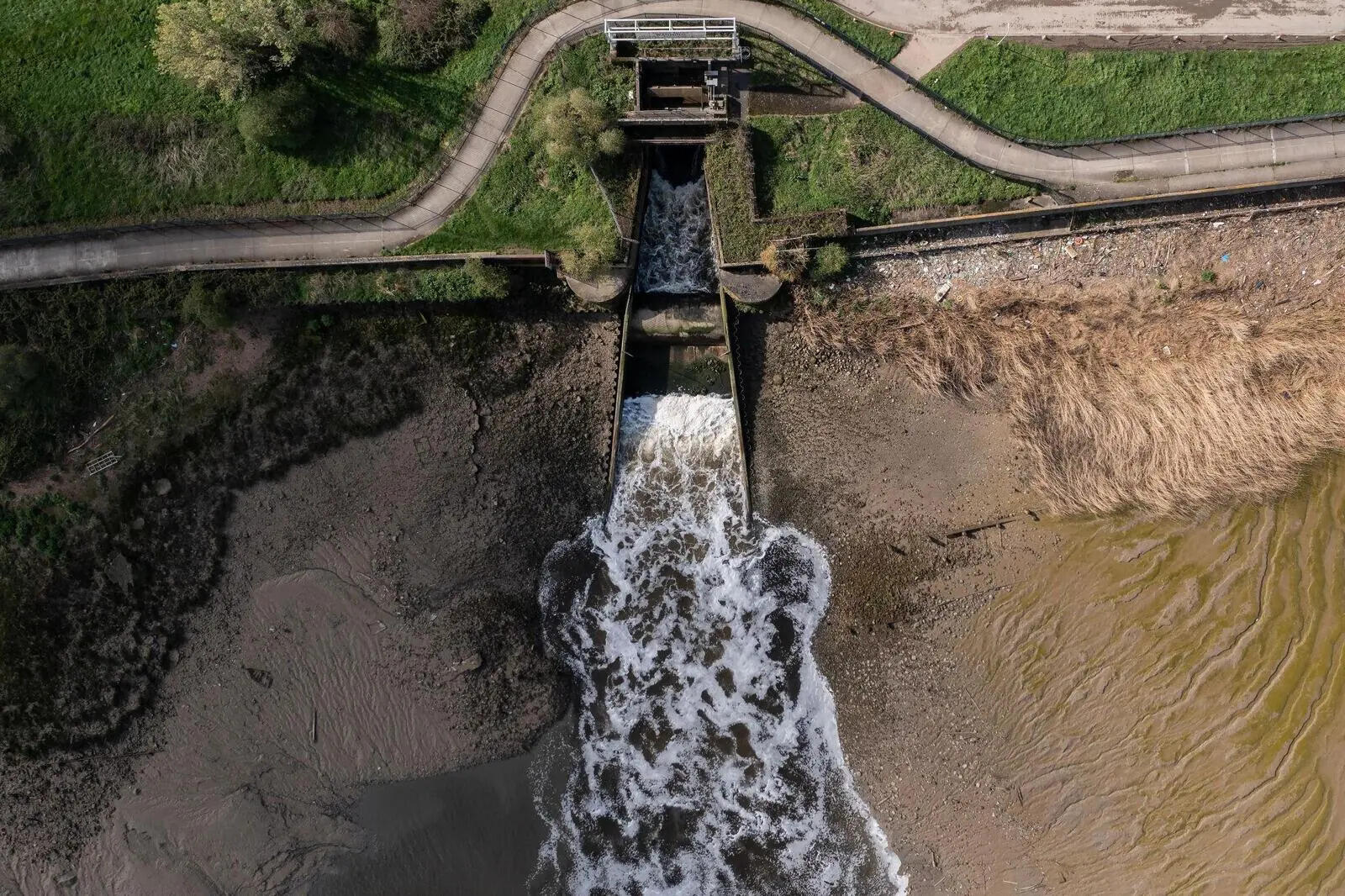
Turn the tap. The water flows. It is a mindless, automatic ritual performed millions of times a day across London and the south of England. We brush our teeth, boil the kettle, fill the paddling pool on a rare hot afternoon, entirely detached from the vast, weeping network of Victorian iron and clay buried beneath our feet. Water is life, but in modern Britain, it has also become a balance sheet. And right now, that balance sheet is bleeding.
Consider a hypothetical resident—let us call her Sarah, a mother of two living in a modest terrace house in Hackney. Sarah does not think about private equity, debt-to-equity restructuring, or the regulatory nuances of Ofwat when she turns on her tap. But she does think about the rising cost of her monthly bills. She thinks about the local river where her children are no longer allowed to paddle because the water is thick with untreated sewage. Sarah is the invisible stakeholder in a high-stakes game of corporate poker, and she is the one currently holding the losing hand.
The crisis surrounding Thames Water, Britain’s largest water supplier, has ceased to be an abstract problem for the financial pages. It has broken through the floorboards of Westminster and spilled into the streets. The company, which serves 16 million people, is suffocating under a debt pile approaching £20 billion. It is a number so large it loses meaning, until you realise it represents decades of systemic neglect, financial engineering, and political failure.
The Mirage of the Ten-Billion-Pound Lifeline
For months, a consortium of international lenders—a heavyweight coalition featuring the likes of Elliott Management and Apollo Global Management—has been quietly constructing a scaffold to keep Thames Water from plunging into bankruptcy. The blueprint was massive: a £10 billion rescue package. Under the terms, these creditors would inject £3.35 billion of fresh equity alongside a massive £6.55 billion debt facility.
On paper, it looked like a classic market-led solution. It was designed to keep the company within the private sector and spare the government from a messy, expensive intervention. But corporate salvations are rarely acts of charity.
Look closer at the machinery of the deal. In exchange for pumping billions into the dry well of Thames Water, the lenders demanded a spectacular concession from the industry regulator, Ofwat. They wanted a four-year holiday from any new financial penalties related to sewage leaks and pollution failures. They wanted leniency. Essentially, the proposal asked the public to accept a degraded environment as the price of corporate survival.
Worse still was the immediate drain on the utility's remaining liquidity. Buried in the financial disclosures was a bitter pill: the restructuring process itself would trigger nearly £750 million in advisory fees, interest, and payments to the very bankers and lawyers orchestrating the deal.
Then came the intervention from Whitehall.
Environment Secretary Emma Reynolds stepped directly into the path of the oncoming deal. In a formal letter to Ofwat, Reynolds cast a shadow over the entire rescue package, branding aspects of the plan as "weak" and warning that it risked placing an "undue burden" on everyday consumers. The government was not convinced that the deal did enough to protect either the wallets of citizens or the health of the country's waterways.
The Scent of the River
To understand why a government minister would risk disrupting a market-led rescue of a critical utility, you have to look away from the spreadsheets and toward the water itself. For the past fifteen years, the British public has watched the slow-motion decay of its most precious natural resource.
The stories have become a grim, regular feature of national life. Chalk streams running gray with effluent. Historic rowing events disrupted by high levels of E. coli. Coastal waters flagged as unsafe for swimming. Thames Water has become the primary lightning rod for this collective fury. The company has repeatedly failed to meet basic leakage and pollution targets, all while historic owners extracted billions in dividends and executive suites were showered with handsome bonuses.
It is a psychological betrayal as much as an ecological one. In a developed nation, the basic covenant between the citizen and the infrastructure provider is simple: we pay our bills, you keep the poison out of our drinking supply and our ecosystems. When that covenant breaks, the cynicism spreads faster than the pollution.
The lenders argue that their plan is the fastest, cleanest route to upgrading a system that relies on infrastructure dating back to the reign of Queen Victoria. They warn that rejecting their money will trigger chaos. A spokesperson for the creditor group expressed deep frustration with the government's stance, claiming their solution required zero taxpayer funding and represented the most direct path to environmental rehabilitation.
But the political climate has shifted. The public appetite for corporate leniency when it comes to environmental degradation has vanished.
The Cold Shadow of the State
The rejection of the rescue plan brings a once-unthinkable scenario to the absolute edge of reality: the Special Administration Regime. This is a polite, bureaucratic euphemism for temporary nationalisation.
If Ofwat follows the government's lead and formally rejects the creditor plan this summer, Thames Water will run out of money by autumn. It will collapse. At that point, the state will be forced to step in, appointing managers to run the taps and flush the toilets for 16 million people.
Nationalisation sounds, to some, like a victory for the public good—a poetic reclaiming of a stolen asset. But the reality is a minefield.
Consider what happens next: if the state takes control, those billions of pounds of toxic debt do not simply evaporate. They risk being transferred directly onto the national balance sheet, a burden borne by taxpayers who are already struggling through a prolonged cost-of-living crisis. Furthermore, global investment firms have warned that forcing massive debt write-downs on international lenders could have a chilling effect on the UK’s broader infrastructure market. Why would a foreign pension fund invest in British green energy or transport if the state can dismantle a private contract when the politics get rough?
It is a choice between two poisons. Allow the private sector to restructure, shield the company from pollution fines, and watch bills inevitably rise to cover the cost of the banking fees. Or take the company into public ownership, risk spooking global capital, and saddle the taxpayer with a multi-billion-pound repair bill for Victorian pipes that are literally cracking under the weight of time.
The Breaking Point
The crisis at Thames Water is the ultimate exhaustion of an ideology. When the water sector was privatised under Margaret Thatcher, the promise was that the discipline of the free market would invite efficiency and capital investment without costing the public a penny.
Instead, successive private equity owners treated the utility like a cash machine, loading it with debt to pay out immediate rewards while deferring the grueling, expensive work of modernising the network. They financialised an element necessary for human survival.
Now, the bill has landed.
The taps in London will not run dry tomorrow. The water will still flow into Sarah’s Hackney kitchen, and she will still use it to cook dinner for her children. But the illusion of safety is gone. Every time the water runs, it carries the weight of a system that has run out of road, run out of excuses, and very nearly, run out of cash. The coming months will decide who pays to fix the broken well—and in the history of British corporate collapses, the answer is almost always the person turning the tap.