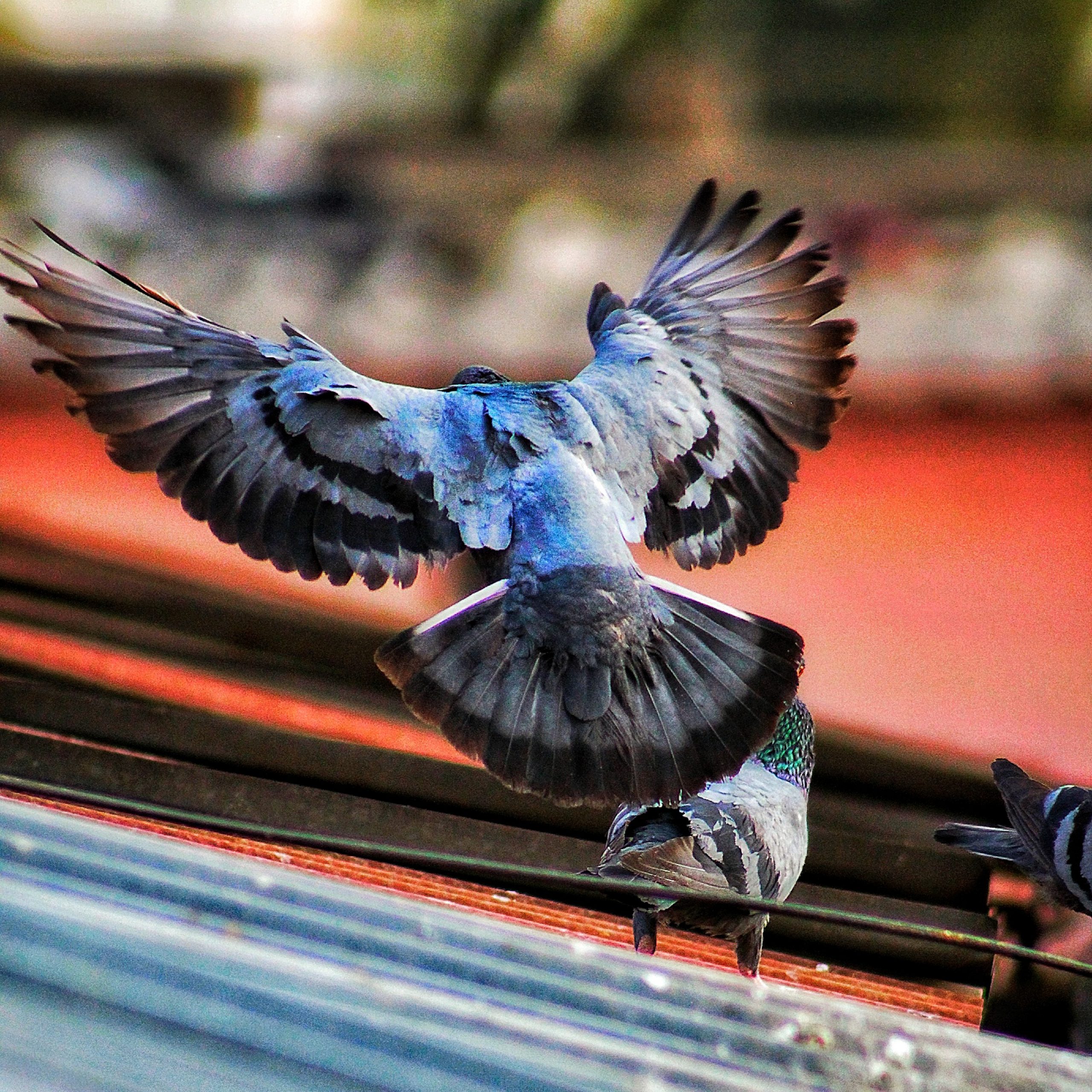
The romanticized image of a dusty rooftop in Old Delhi, where an aging man waves a bamboo pole at a flock of pigeons, is a lie. It’s a postcard sold to tourists and lazy journalists who want to "preserve a dying tradition." Stop looking at Kabootar Bazi through the lens of Mughal nostalgia. It isn't a hobby. It isn't a quaint remnant of a bygone era.
It is a brutal, high-stakes competition of aerial engineering and psychological warfare.
If you think these men are just "flying birds," you’ve already lost. Most reporting on this subculture focuses on the "spirit of the sport" or its historical roots in the courts of Shah Jahan. That’s fluff. The reality is a cutthroat marketplace where thousands of dollars change hands over the stamina of a creature that weighs less than a pound.
The Myth of the Sentimental Trainer
The media loves the narrative of the "Birdman of Delhi"—a lonely soul bonding with his feathered friends. Walk onto a serious competitor's roof, and that sentimentality vanishes.
These trainers are not friends with their pigeons. They are fleet managers.
A high-performance pigeon in the competitive circuits of North India is an elite athlete being pushed to the absolute edge of biological failure. We are talking about birds that are expected to stay airborne for twelve, fourteen, sometimes eighteen hours in the searing heat of a 45°C Indian summer.
The "lazy consensus" says these birds fly because they love their home. Logic says otherwise. They fly because they are biologically programmed to seek safety, and the trainer has spent months manipulating their diet, water intake, and hormonal cycles to ensure that safety is found only on one specific patch of concrete.
Bio-Hacking the Sky
The mainstream press never talks about the chemistry. You’ll hear about "special seeds" or "herbal mixes." I’ve seen the backrooms of these lofts. We are talking about sophisticated—and often dangerous—regimens of steroids, stimulants, and rehydration salts.
The goal isn't longevity. It’s performance.
Imagine a scenario where a bird is fed a specific ratio of almonds, ghee, and cardamom, then injected with a cocktail designed to suppress its thirst response so it won't land for water. That isn't "tradition." That’s bio-hacking. The training isn't a whisper; it's a grind.
If a bird fails to return or lands on a neighbor’s roof, it isn't a tragedy. It’s a write-off. In the world of high-stakes pigeon racing, a bird that loses its way is an asset that defaulted.
The Real Price of "Tradition"
Let’s talk numbers. The "quaint" hobbyists of Old Delhi are often handling birds worth more than the cars parked in the streets below. A pedigree pigeon from a winning bloodline can fetch anywhere from 50,000 to over 200,000 Rupees.
When you see a flock of fifty birds, you aren't looking at a cloud of feathers. You’re looking at a million-rupee portfolio circling the sky.
The betting economy beneath this is even larger. While technically illegal, the underground gambling rings surrounding these flights are massive. Money isn't just bet on which bird returns first; it’s bet on which bird will "trap" a rival’s pigeon. This is the dark heart of the sport: the Ghol.
The Ghol: Aerial Hostage Situations
Journalists describe the Ghol—the mixing of two rival flocks—as a beautiful dance. It’s actually a heist.
The objective is to send your birds up to mingle with a neighbor's flock, then use a whistle or a visual cue to bring your birds down, hoping to lure a few of the neighbor’s high-value assets with them. Once that bird lands on your roof, it’s a hostage.
You don't give it back because of "sportsmanship." You hold it for ransom. Or, if the rivalry is bitter enough, you clip its wings and keep it as a trophy, a permanent mark of shame for the former owner. This isn't a community; it's a cold war fought with wings.
Why the "Dying Art" Narrative is Factually Wrong
Every five years, a new article claims pigeon flying is "fading away" due to the internet or rising real estate prices.
This is objectively false.
The sport isn't dying; it’s professionalizing. Much like horse racing or greyhound coursing, the casual participants are being priced out by "Super Lofts." The rooftop amateurs are being replaced by syndicates. These syndicates use GPS tracking, high-definition cameras to monitor rival rooftops, and climate-controlled breeding facilities.
The internet didn't kill pigeon flying. It gave it a global marketplace. You can now buy "Champion Bloodline" eggs on WhatsApp groups that span from Lahore to London. The scale is larger than it has ever been in the Mughal era.
The Darwinian Reality of the Sky
Critics often point to the cruelty of the sport. They aren't entirely wrong, but they miss the point. This is an ecosystem of extreme selection.
In a standard city environment, a pigeon lives a scavenged life of four to five years. In the competitive circuit, the lifespan of a "top-tier" bird is often shorter, but its life is one of calculated intensity.
The "unconventional advice" for anyone looking to understand this world? Stop looking for the history. Look at the ledger.
- Rule 1: The bird is a tool, not a pet.
- Rule 2: The sky is a territory to be seized, not a space to be shared.
- Rule 3: If you aren't betting, you aren't playing.
The Geography of Conflict
Space in Delhi is the ultimate premium. Every square inch of a rooftop is a strategic vantage point. The conflicts between neighbors aren't about noise or bird droppings; they are about "air rights."
If a neighbor builds a taller structure, they disrupt your "landing lane." I’ve seen legal battles and physical brawls break out over the construction of a new water tank that blocks a trainer’s view of the horizon. You aren't just managing birds; you are navigating a complex web of urban property law and neighborhood intimidation.
The Myth of the "Peaceful" Pigeon
The pigeon is the international symbol of peace. In the hands of a Khalifa (a master trainer), the pigeon is a weapon of ego.
The birds are trained to be aggressive in their flight patterns. They are conditioned to stay tight, to dive on command, and to ignore the distractions of other flocks. This isn't the "nature" of a pigeon. Pigeons are naturally skittish, communal foragers. To make a pigeon a competitor, you have to break its nature.
You do this through controlled starvation.
A "flying fit" pigeon is a hungry pigeon. A bird that is full has no reason to return to the roof. A bird that is starving will fly through a storm to get to the grain in its trainer's hand. That tension between the bird's survival instinct and its physical exhaustion is where the "sport" actually lives. It’s a cruel, mathematical balance.
The Downside of the Truth
The contrarian view isn't pretty. When you strip away the Mughal silk and the poetic descriptions of the "sky being filled with white wings," you are left with a gritty, exploitative, and highly lucrative blood sport.
Admitting this ruins the "heritage" brand. It makes it harder for documentaries to get funding and for tourism boards to promote "Ancient Delhi."
But if you want to actually understand why men spend their life savings on birds, you have to stop calling it a hobby. You have to recognize it for what it is: a desperate, beautiful, and violent pursuit of status in a city that offers very few ways to climb the ladder.
The pigeons aren't the ones being trained. The trainers are the ones trapped by the birds. They are locked into a cycle of maintenance, medication, and territorial defense that consumes their time and their capital.
The next time you see a flock circling a rooftop in the heat of a June afternoon, don't marvel at the tradition. Calculate the cost.
Look at the man with the pole. He isn't a historian. He’s a gambler waiting for his stock to rise.
The sky isn't a canvas. It’s a battlefield.