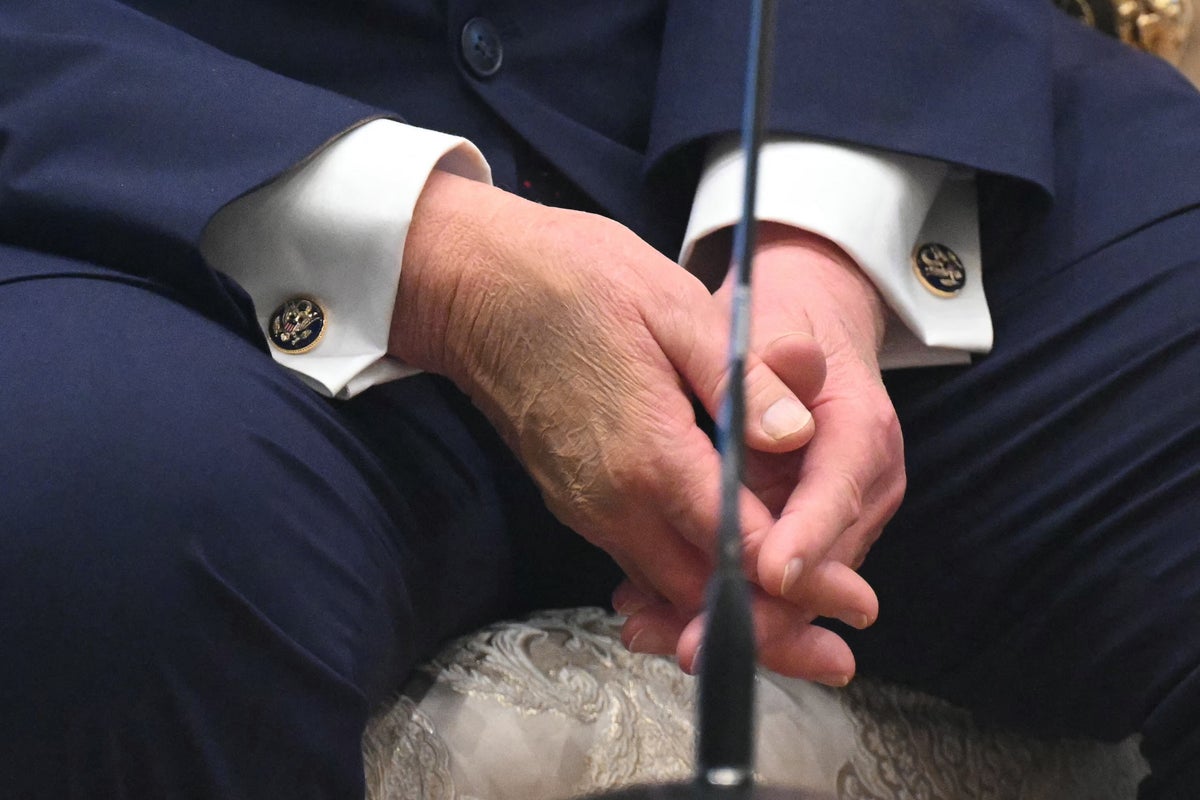
Superficial media analysis frequently prioritizes visual anomalies over underlying structural mechanics. The focus on a cosmetic-covered bruise on Donald Trump’s hand during the July 2026 NATO Summit in Ankara provides a case study in this analytical failure. While commentators interpret these physical details through the lens of aesthetic distraction or personal vulnerability, a rigorous evaluation demands that we isolate the physiological variables from the broader strategic calculus of asymmetric diplomacy. Physical vitality operates as a form of signaling currency in high-stakes international relations, but the real leverage lies in the transactional frameworks deployed during state-level negotiations.
The Physiology of Signaling: Isolating Kinetic Indicators
To properly evaluate the physical variables observed at the Bestepe Presidential Compound, one must separate cosmetic presentation from documented systemic health variables. The visibility of skin discoloration on an executive leader is governed by a predictable set of medical and operational factors.
The Anticoagulation Variable
The primary variable underlying skin vulnerability in senior executives is medical maintenance. A high, self-directed intake of acetylsalicylic acid (aspirin) introduces a specific pharmacological mechanism: irreversible inhibition of cyclooxygenase-1 (COX-1), which downregulates thromboxane A2 synthesis and suppresses platelet aggregation. The structural consequence of this therapeutic regime is a significant increase in capillary fragility. Minor mechanical impacts—such as striking a signing table or engaging in repetitive, high-force handshaking—yield immediate localized ecchymosis.
The Kinetic Friction of Diplomacy
The physical routine of a multi-day international summit introduces a high volume of micro-trauma to the upper extremities.
- Frequency Thresholds: A head of state undergoes dozens of high-pressure bilateral handshakes within a 48-hour window.
- Mechanical Strain: When combined with a pharmacologically altered coagulation profile, the sheer torque and compression of diplomatic greetings transition from a symbolic gesture to a mechanism for localized vascular injury.
Cosmetic Mitigation Frameworks
The application of corrective cosmetics to cover physical marking represents a standard operational procedure for media management. It is not an indicator of systemic decline, but rather a calculation aimed at minimizing non-verbal static in high-definition broadcasts. The failure to fully conceal a deep hematoma under studio-grade concealer reflects the limitations of rapid cosmetic application over highly mobile joint tissue, rather than a hidden medical crisis.
Asymmetric Friction: The Structural Realignment of NATO
While domestic media outlets trace the contours of a physical bruise, the true structural friction is occurring within the architecture of the transatlantic alliance. The Ankara Summit highlights a deliberate shift toward a dual-track model of international engagement: undermining multilateral commitments while reinforcing high-utility bilateral partnerships.
          [ Multilateral Architecture: NATO ]
             │
             ├─► Cost Shifting (Demand for Historic Spending)
             └─► Security Retrenchment (Troop Withdrawal Threats)

          [ Bilateral Architecture: US-Turkey ]
             │
             ├─► Strategic Chemistry (Trump-Erdogan Alignment)
             └─► Transactional Asset Exchange (F-35 Resumption)
The Cost Shifting Mechanism
The confrontation between the United States administration and European NATO members is driven by an economic calculation regarding defensive burden-sharing. The administration views traditional security guarantees through a strict balance-of-payments framework. By characterizing the alliance as a structural liability where the United States absorbs disproportionate capital expenditures while European allies restrict defense spending, the administration creates a pretext for security retrenchment. The demand for an immediate, historic spending hike functions as a high-pressure negotiating tactic designed to shift the financial equilibrium of Western defense.
Bilateral Premium vs. Multilateral Discount
The deliberate contrast between the harsh treatment of European allies and the praise directed at Turkish President Recep Tayyip Erdogan illustrates a preference for transactional bilateralism. The strategic calculus breaks down as follows:
- The Loyalty Premium: Turkey is leveraged as a counterweight to European non-compliance. By designating Ankara as a "more loyal" partner than traditional continental allies, the administration introduces a competitive dynamic into the alliance, forcing European states to bid for American security commitments.
- The Weaponization of Absence: The explicit statement that the summit would have been boycotted if not for the personal relationship with Erdogan serves to devalue the institutional permanence of NATO. It signals that access to American military power is contingent upon personalized, transactional alignment rather than treaty frameworks.
Transactional Asset Exchange: The F-35 and Strategic Autonomy
The concrete manifestation of this asymmetric strategy is the re-evaluation of high-value defense hardware transfers, specifically the potential resumption of F-35 fighter jet discussions with Turkey.
Defense Industrial Integration
The restoration of defense industrial cooperation between Washington and Ankara operates independently of standard multilateral consensus. By reopening the conversation around fifth-generation air supremacy platforms, the administration demonstrates that strategic military assets are fluid bargaining chips used to reward tactical alignment, bypassing traditional institutional vetoes within the alliance.
The Geopolitical Buffer Optimization
From a structural perspective, the administration recognizes Turkey’s unique position at the intersection of Europe, the Middle East, and the Black Sea maritime theater. While European states increasingly focus on building a self-reliant, Europe-led alliance infrastructure to hedge against Washington’s volatility, Turkey capitalizes on this fragmentation. The bilateral alignment allows Ankara to maximize its strategic autonomy, balancing its NATO obligations against its independent regional maneuvers involving Russia, Syria, and Iran.
The analytical mistake is treating visual anomalies as a proxy for executive capacity. The operational reality demonstrates that physical micro-trauma has zero correlation with strategic disruption. While observers track the cosmetics on a leader's hand, the administration is successfully executing a systemic deconstruction of multilateral norms, swapping long-term institutional guarantees for immediate, transactional concessions. The final strategic play for European defense ministries is clear: cease the speculative tracking of superficial executive indicators and accelerate the capital capitalization of autonomous continental security frameworks to absorb an inevitable American retrenchment.