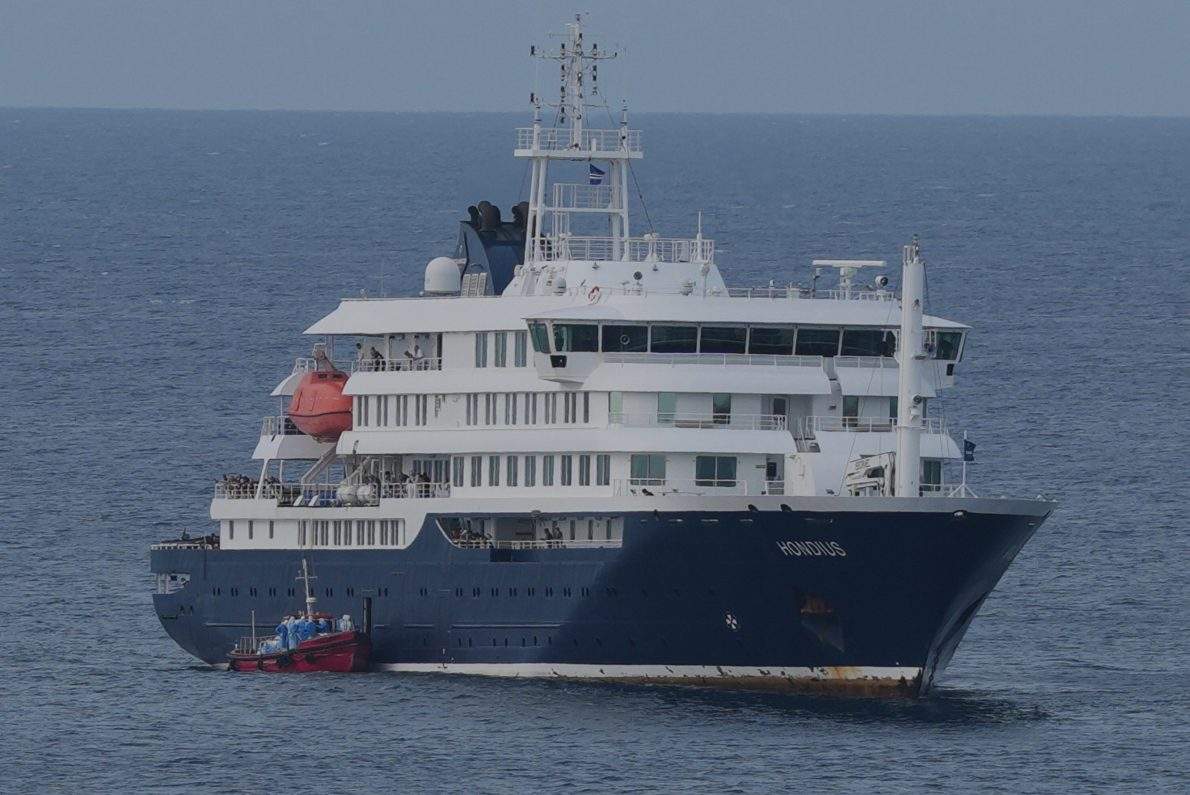
The intersection of luxury tourism and high-pathogen environments creates a specific operational vulnerability known as the "Closed-Loop Transmission Trap." When four Canadian citizens remained aboard a cruise vessel under quarantine for Hantavirus, the situation transcended a standard medical emergency, becoming a case study in failed containment protocols and the friction between international maritime law and sovereign health mandates. This analysis dissects the structural failures in vessel sanitation, the biological reality of Hantavirus Pulmonary Syndrome (HPS), and the logistical constraints of consular intervention in a bio-hazard environment.
The Biological Architecture of Hantavirus
Hantavirus is not a single entity but a genus of viruses primarily transmitted by rodents. To understand the risk profile of a cruise ship environment, one must distinguish between the virus's environmental stability and its mode of infection. Unlike norovirus, which dominates maritime health discussions due to its fecal-oral route and extreme hardiness on surfaces, Hantavirus relies on aerosolized excreta.
The viral load becomes dangerous when dried rodent urine, droppings, or nesting materials are disturbed, suspending the particles in the air. On a cruise ship, the HVAC (Heating, Ventilation, and Air Conditioning) system acts as a force multiplier. If the source of the virus—often the Oligoryzomys longicaudatus (long-tailed pygmy rice rat) in South American contexts—infiltrates the vessel’s lower decks or storage areas, the centralized air filtration system risks distributing the pathogen across vertically integrated guest zones.
The clinical progression of HPS follows a ruthless timeline:
- The Prodromal Phase: Lasting 3 to 5 days, characterized by non-specific symptoms including fever, myalgia, and fatigue. This phase is the primary failure point for shipboard medical staff, as it mimics common influenza or seasickness.
- The Cardiopulmonary Stage: A rapid onset of pulmonary edema and hypotension. The transition from "flu-like symptoms" to full respiratory failure can occur in less than 24 hours.
- The Convalescent Phase: For survivors, recovery is slow, often hampered by residual pulmonary damage.
The mortality rate for HPS hovers between 35% and 40%. In a maritime setting, where the nearest Level 1 trauma center or specialized infectious disease unit may be days away, this percentage effectively increases due to the lack of advanced supportive care, specifically Extracorporeal Membrane Oxygenation (ECMO).
The Three Pillars of Maritime Biosecurity Failure
The presence of Hantavirus on a modern passenger vessel indicates a systemic breakdown in three specific operational areas: Vector Exclusion, Environmental Monitoring, and Incident Escalation.
1. Failure of Vector Exclusion
Ships are not hermetically sealed units. They are porous environments that interface with terrestrial ecosystems at every port of call. Rodent ingress typically occurs during the loading of provisions or via mooring lines. A failure in vector exclusion means the ship's Integrated Pest Management (IPM) system lacked the requisite physical barriers (such as rat guards on lines) or failed to inspect palletized cargo coming from high-risk endemic regions.
2. Micro-Climate Propagation
Once a vector is aboard, the ship’s internal architecture provides an ideal breeding ground. The interstitial spaces between bulkheads, cable runs, and service tunnels allow rodents to move undetected. In the Canadian case, the persistence of the virus suggests a localized reservoir within the ship’s infrastructure that remained active despite initial cleaning efforts.
3. The Escalation Delay
The "Sunk Cost of Itinerary" often leads to delayed reporting. Cruise operators are incentivized to maintain the schedule to avoid massive refund liabilities and port fees. This delay in declaring a bio-hazard status allows the viral load to accumulate, turning a localized incident into a ship-wide quarantine.
Consular Intervention and Sovereign Jurisdictional Friction
The role of Canadian consular officials in this crisis was not merely "supportive" but served as a critical check on maritime law. Under the Maritime Labour Convention and various International Maritime Organization (IMO) treaties, the "Master of the Vessel" holds near-absolute authority during an emergency. However, when citizens of a foreign nation are held in a high-risk environment against their will, a jurisdictional clash emerges.
The Canadian consular strategy focused on three specific leverage points:
- Verification of Medical Efficacy: Ensuring the ship’s infirmary met international standards for HPS monitoring, which requires frequent arterial blood gas analysis—a capability many smaller vessels lack.
- Evacuation Logistics: Negotiating "Clean Corridor" transfers. This involves moving potentially infected individuals from the vessel to a land-based facility without breaking quarantine or exposing the local port population.
- Legal Advocacy: Addressing the "Force Majeure" clauses in passenger contracts. Cruise lines often use these clauses to limit their liability during outbreaks, but consular pressure can force a reclassification of the event as an operational failure rather than an "Act of God."
Quantifying the Risk of the "Diamond Princess" Precedent
The 2020 Diamond Princess COVID-19 outbreak redefined the risk calculus for shipboard quarantines. It proved that keeping passengers on a ship during a viral outbreak often increases the attack rate rather than suppressing it. For the four Canadians in the Hantavirus incident, the primary risk was the "Incubation Overlap."
If an individual is exposed on Day 1, and the ship is quarantined on Day 5, the entire population remains in a high-density environment during the period when the first wave of victims becomes symptomatic. Because Hantavirus is not typically transmitted person-to-person (with the rare exception of the Andes virus strain), the quarantine was less about preventing contagion between passengers and more about preventing the export of the vector to land-based environments. However, for the passengers, remaining on the ship meant continued exposure to the primary source: the contaminated air or surfaces within the vessel.
The Cost Function of Quarantine vs. Evacuation
For the cruise operator, the financial logic of a quarantine is a balance between immediate operational loss and long-term brand equity destruction.
$C_{total} = L_p + D_b + (I_v \times P_m)$
Where:
- $L_p$: Immediate loss of port fees and passenger refunds.
- $D_b$: Brand degradation and future booking decline.
- $I_v$: Incidence rate of the virus.
- $P_m$: Potential litigation settlements per casualty.
In the case of Hantavirus, where the mortality rate is significantly higher than respiratory viruses like COVID-19 or Influenza, the $P_m$ variable becomes the dominant factor. The cost of a single death on board, followed by a proven failure in pest control, can result in settlements exceeding the total revenue of the entire cruise season.
Structural Recommendations for High-Endurance Pathogen Management
The Canadian incident serves as a warning that current maritime health standards are reactive rather than predictive. To mitigate future Hantavirus-scale events, the industry must move toward "Hardened Biosecurity."
HEPA Integration and Zoning
HVAC systems must be redesigned with automated isolation dampers. In the event of a detected bio-hazard, specific zones of the ship should be able to operate on independent air loops with HEPA-grade filtration (99.97% efficiency at 0.3 microns) to prevent the aerosolization of pathogens across decks.
Real-Time Environmental DNA (eDNA) Sampling
Modern vessels should employ eDNA monitoring in bilge and storage areas. By sampling the air or surfaces for rodent DNA, operators can identify an infestation weeks before a human infection occurs. This shifts the strategy from "Crisis Management" to "Preventative Exclusion."
Standardized Consular Access Protocols
International treaties should be updated to mandate immediate consular access and independent medical audit rights when a vessel declares a "High-Pathogen Event." The current system relies too heavily on the ship's own medical reporting, which is subject to corporate bias.
The four Canadians on the Hantavirus-affected vessel were the victims of a system that prioritized containment of the vessel over the safety of the individuals. The strategic play for any maritime operator moving forward is the implementation of a "Zero-Vector Baseline." This requires a total overhaul of the supply chain—from port-side warehouse inspections to the physical sealing of shipboard service conduits. If the vector cannot board, the virus cannot aerosolize. Any cruise line failing to adopt this granular level of biological surveillance is operating on a deficit of safety that no amount of consular intervention can fully bridge.